
Do Crypto Exchanges Charge You Fees?
Trading fees vary based on the exchange, the currency pair traded, the investor's tier level, and the volume of transactions carried out on a blockchain.
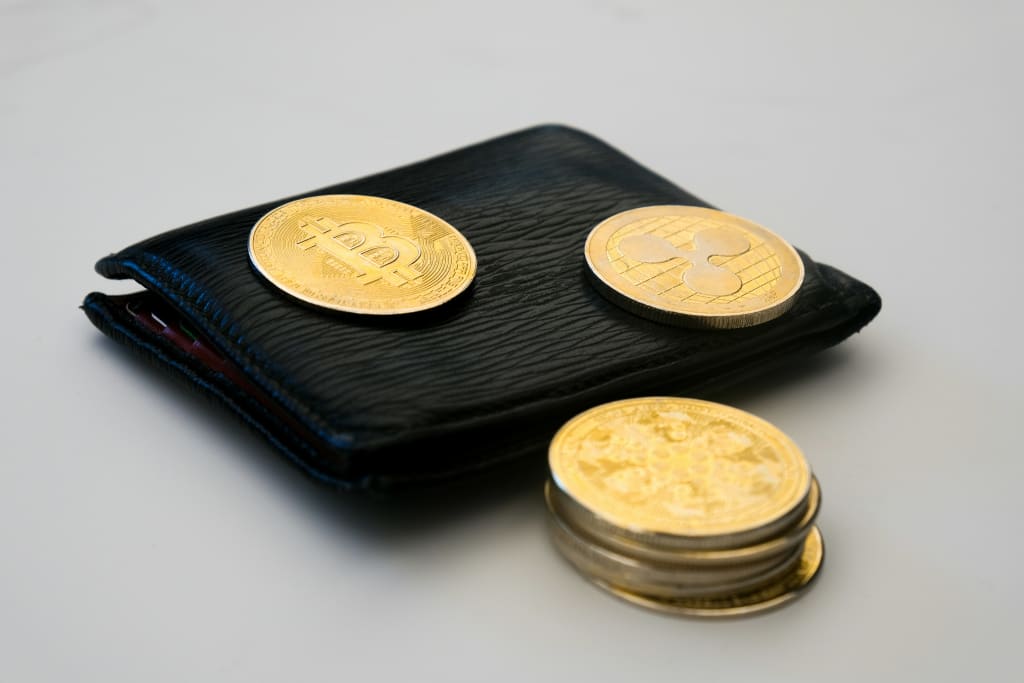
They charge fees to cover the cost of running their platforms and to encourage trading.
Types of Fees on Exchanges
There are various types of fees cryptocurrency exchanges charge their users. They include
Network fees: These are charges for moving a cryptocurrency from one wallet to another. They are incentives for miners and network validators to add the transaction to the blockchain.
Trading fees: Exchanges charge trading fees to execute trades on their platforms. The fee is usually a percentage of the trade amount, or it can be fixed, depending on the crypto exchange.
Deposit and withdrawal fees: Users pay these fees to deposit funds into an account or withdraw funds to other wallets.
Currency conversion fees: Crypto exchanges charge to convert fiat currencies to cryptocurrencies and vice versa.
Four Crypto Exchanges with Low Fees
Bybit
Millions of users use Bybit daily, thanks to its favorable terms. Bybit Exchange has one of the lowest fees among cryptocurrency exchanges. For spot trading, Bybit charges as low as 0.1% for both Maker and Taker fees.
However, for futures traders, Bybit’s fees were reduced to 0.0550% for Takers and 0.0200% for Makers. According to the Bybit fees review, the crypto exchange doesn’t charge deposit fees, but there is a charge of withdrawal fees depending on the cryptocurrencies depending on the cryptocurrency.
Finally, institutional investors that use Bybit enjoy taker fees ranging from 0.02% to 0.04% and maker fees from 0.005% to 0.015%.
Binance
Binance is the world’s largest cryptocurrency and has favorable trading fees. Like Bybit, Binance charges regular users 0.1% for Maker and Taker fees. However, institutional and VIP users enjoy as low as 0.0110% in Maker and 0.0230% in Taker fees.
The crypto exchange does not charge deposit fees. However, users pay a flat fee for each withdrawal to cover the transaction costs of moving the cryptocurrency out of their Binance account.
The blockchain network determines the withdrawal rates, which are volatile depending on the network’s congestion at the time of the transaction.
OKX
OKX has one of the lowest trading fees in the crypto ecosystem. Regular users on OKX enjoy a 0.080% Maker fee and a 0.100% Taker fee. VIP users enjoy even lower fees, with the Maker fee between 0.000% and 0.045%, while the Taker fee is between 0.030% and 0.050%.
Like Binance and Bybit, OKX doesn’t charge deposit fees. However, a network fee is charged for each withdrawal to cover the transaction cost of moving crypto to an external wallet. The withdrawal fee depends on various factors, such as blockchain network congestion.
HTX
HTX is another cryptocurrency with low trading fees. While the three discussed above deploy a Maker/Taker fee model, HTX uses a Base fee rate. The cryptocurrency exchange’s Base fee rate is 0.2000%.
However, users can reduce the rate to as low as 0.0700% when they use HTX’s native HT token. HTX doesn’t charge deposit fees on crypto transactions but users incur withdrawal fees when they move their coins to external wallets. The withdrawal fees depends on the blockchain network and its congestion at the time of withdrawal.
Final Thoughts
Transaction fees are important as they enable cryptocurrency exchanges to cover operational costs while blockchain networks incentivize their miners and validators. The exchanges reviewed in this article offer some of the lowest trading fees to cryptocurency users.
About the Creator
D2C App Strategy for Retail Brands - 2026 Roadmap
D2C App Strategy for Retail Brands is a specific, systematic plan. Retailers use it to sell directly to consumers. They use mobile applications to do this. This method bypasses third-party marketplaces. It allows brands to own the entire journey. This guide outlines how to implement this strategy. A high-converting plan is essential in 2026. It helps maximize customer lifetime value. It also ensures total ownership of data.
By Devin Rosario5 days ago in 01



Comments
There are no comments for this story
Be the first to respond and start the conversation.