
Design, Build, Maintain: Creating Homes That Are Smarter and More Sustainable
Simple Upgrades for a Smarter, Sustainable Home

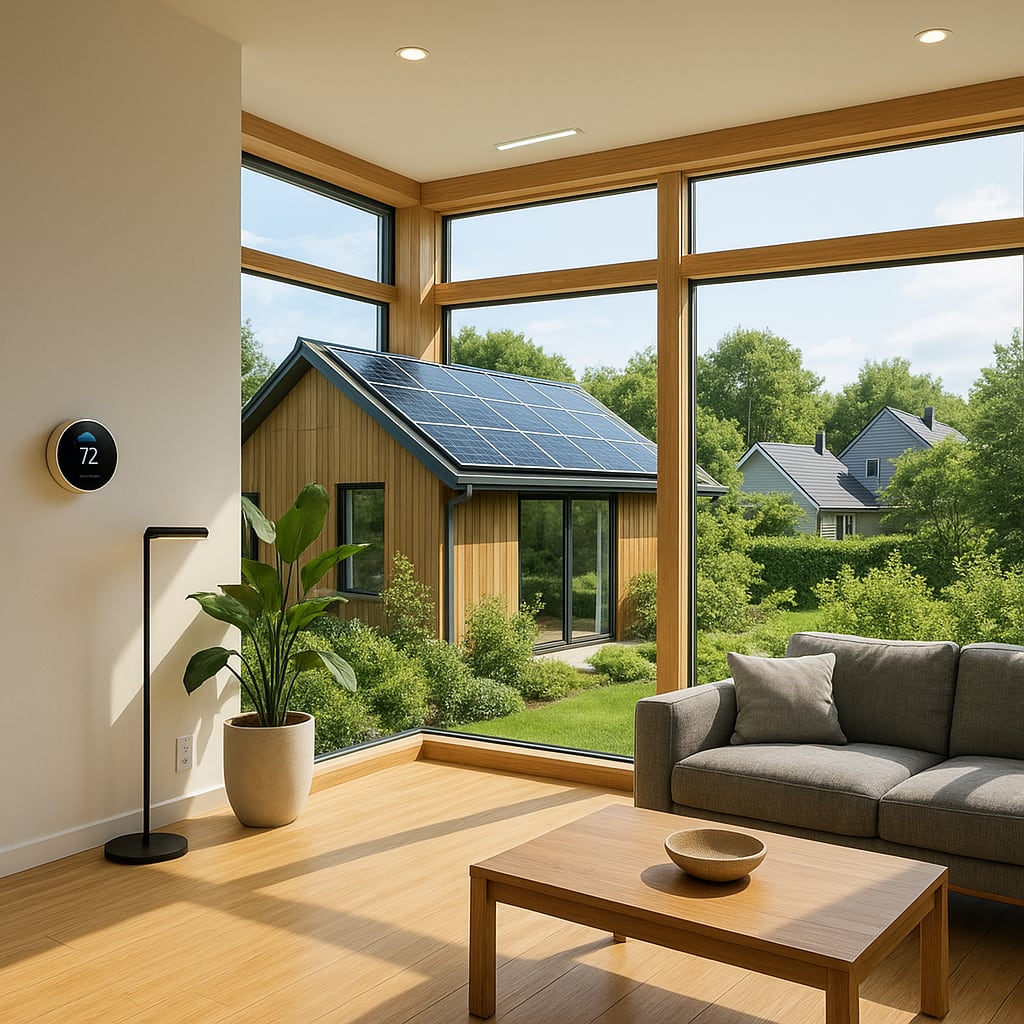
A home should do more than just look nice. It should work better, waste less, and make life easier. These days, more people are looking for homes that are both smart and sustainable — places that save energy, cut down bills, and are better for the planet too.
The good news? You don’t need a big budget or a brand-new house to make it happen.
Here are easy steps to help you build or upgrade your space into something that’s both future-ready and simple to live in.
Start with Energy-Efficient Design
Before adding smart gadgets, look at how your home is built or set up. A big part of saving energy comes from using less heating or cooling — and smart design helps with that. Make sure windows bring in natural light during the day and place them in a way that helps airflow. Add thick curtains or blinds to keep rooms cooler in summer and warmer in winter, explains Dan Close, Founder and CEO of BuyingHomes.
Use proper insulation in walls and ceilings to avoid heat loss. These simple things lower your energy use without doing much every day.
If you’re building or remodeling, talk to your builder or architect about passive design — it means using nature (like sunlight and shade) to help manage temperature inside.
Install a Smart Thermostat
Heating and cooling usually make up the biggest part of your energy bill. A smart thermostat helps you control that better. It learns your daily habits — like when you leave for work or when you go to bed — and adjusts the temperature to save energy when you don’t need it.
Some models even turn off the heating or cooling if no one’s home. You can control it from your phone, even if you’re away.
So if the weather changes suddenly, you can adjust your home’s temperature with a few taps. Over time, a smart thermostat helps cut down on energy waste and makes your home more comfortable without you needing to think about it every day.
Use Solar Panels or Renewable Energy
If you want to make your home truly sustainable, adding solar panels is one of the best moves. They take energy from the sun and turn it into electricity for your home. Even if you can’t power your whole house, using solar for just part of your energy needs still helps a lot.
Some people also sell extra power back to the grid, which brings in savings. The cost of solar panels has gone down a lot in recent years, and many areas offer rebates or support for people who want to go solar.
If panels aren’t an option, look into green energy plans from your electricity provider — some offer energy made from wind or solar. It’s all about choosing cleaner power that doesn’t pollute.
Switch to LED and Motion Sensor Lights
Lighting is a small thing that adds up. Switching to LED bulbs is one of the easiest ways to make your home smarter and save energy. LED lights use less power and last much longer than old bulbs. You don’t have to change them as often, and they work well in almost any fixture, says Alex Vasylenko, Founder of Digital Business Card.
For even more savings, install motion sensors in places like hallways, bathrooms, or outdoor areas. The light comes on only when someone’s there — no more leaving lights on by accident. You can also set timers or connect lights to your phone to control them from anywhere. These changes are easy to do, and they help lower your bills every month.
Choose Sustainable Materials
When you’re updating your home, think about the materials you’re using. Sustainable materials are ones that are kinder to the environment and safer for your health. For floors, try bamboo or cork — both grow back quickly and are strong. Reclaimed wood gives a nice look and cuts down on waste.
Choose paints and finishes that are low in harmful chemicals (look for low-VOC labels). In the kitchen or bathroom, go for recycled countertops or tiles. These choices might seem small, but they add up — both in making your space feel good and in reducing the home’s impact on the planet. Plus, they often last longer, which means fewer repairs later.
Reduce Water Waste with Smart Plumbing
Water is one of the easiest things to waste without noticing. Dripping taps, long showers, and overwatering the lawn all add up. You can fix this with a few small changes.
LJ Tabango, Founder & CEO of Leak Experts USA explains, “Start by installing low-flow showerheads and faucets — they use less water but still feel strong. Switch to dual-flush toilets that let you control how much water you use with each flush. For your garden, use a smart irrigation system that waters only when needed — based on the weather and soil moisture.”
You can also add leak detectors under sinks or near your water heater to catch problems early. These updates don’t just save water — they save money too. And once they’re in place, you don’t have to think about them every day. They just work.
Improve Indoor Air Quality
The air inside your home matters more than most people realize. Dust, chemicals from paint or furniture, and even cooking fumes can build up over time. To keep the air clean, start simple: open windows when you can to let fresh air in. Add a few indoor plants — they help clean the air naturally and make your space feel more alive.
Choose low-VOC paints and materials when decorating. If you want an extra layer of protection, try a smart air purifier. Options like Medifyair offer real-time air quality tracking and HEPA filtration, making them especially useful in homes with kids, pets, or allergy concerns. With the right setup, you can significantly reduce airborne pollutants and create a healthier living environment for everyone.
Add Smart Tech for Everyday Efficiency
Smart home gadgets aren’t just fun — they can actually make your home run better. Things like smart plugs, voice assistants, or app-controlled lights and appliances help you manage energy use more easily. For example, you can set a timer for your coffee machine, turn off forgotten lights from your phone, or use voice commands to control fans or heating.
Many of these tools also show how much energy you’re using, so you can spot habits that need changing. Start small — even one or two smart devices can make a difference. Over time, they help you save electricity without having to think about it every day. Plus, they make daily routines simpler and faster.
Build for Flexibility and Long Life
A smart home is one that can grow and change with you. That means designing spaces and picking materials that don’t need constant upgrades. Choose flooring, tiles, and countertops that last for years and can handle wear and tear. Go for a layout that’s flexible — for example, a spare room that could be used as a home office, guest room, or play area later.
Conclusion
Making your home smarter and more sustainable doesn’t have to be hard. Just start with small steps — like using LED lights, saving water, or adding a smart plug. Over time, these changes add up. You’ll use less energy, waste less, and live more comfortably.
Many of these updates are easy to do and can even help you save money. You don’t need a fancy setup or big budget. Just focus on what works for your space and your daily life.
About the Creator
MUHAMMAD SHAFIE
Muhammad Shafie (BHK々SHAFiE) is a writer and blogger passionate about digital culture, tech, and storytelling. Through insightful articles and reflections, they explore the fusion of innovation and creativity in today’s ever-changing world.
Keep reading
More stories from MUHAMMAD SHAFIE and writers in 01 and other communities.
Next-Level Teamwork Starts with the Latest Microsoft Teams Update
In a world where digital connectivity defines how we work, communicate, and solve problems, the tools we use must rise to the occasion. Microsoft Teams has quickly evolved into one of the most essential platforms for team collaboration across industries. But for Teams to truly perform at its best, it must be kept current. The latest version offers more than just cosmetic upgrades—it brings transformative improvements to how teams connect, collaborate, and create.
By MUHAMMAD SHAFIE8 months ago in 01
Taxi App Development Cost: Full Breakdown & Guide (2026)
Building a ride-sharing platform is a massive headache. I reckon most founders jump in thinking they can clone Uber for the price of a used sedan. That is a recipe for a quick exit. Software is never a one-and-done purchase.
By Samantha Blake6 days ago in 01
How to Choose the Best IoT Application Development Services in 2026: Expert Guide
The Internet of Things (IoT) is transforming how businesses operate. From smart factories and connected healthcare devices to intelligent logistics and predictive maintenance systems, IoT is no longer a futuristic concept—it’s a core business strategy. According to recent industry reports, billions of devices will be connected globally by 2026, generating massive volumes of real-time data and creating opportunities for innovation across industries.
By alan michael4 days ago in 01


Comments
There are no comments for this story
Be the first to respond and start the conversation.