
"Democratizing Access: NFT Tickets and the Future of Ticketing"
"Unlocking Inclusion: NFT Tickets and the Evolution of Ticketing"
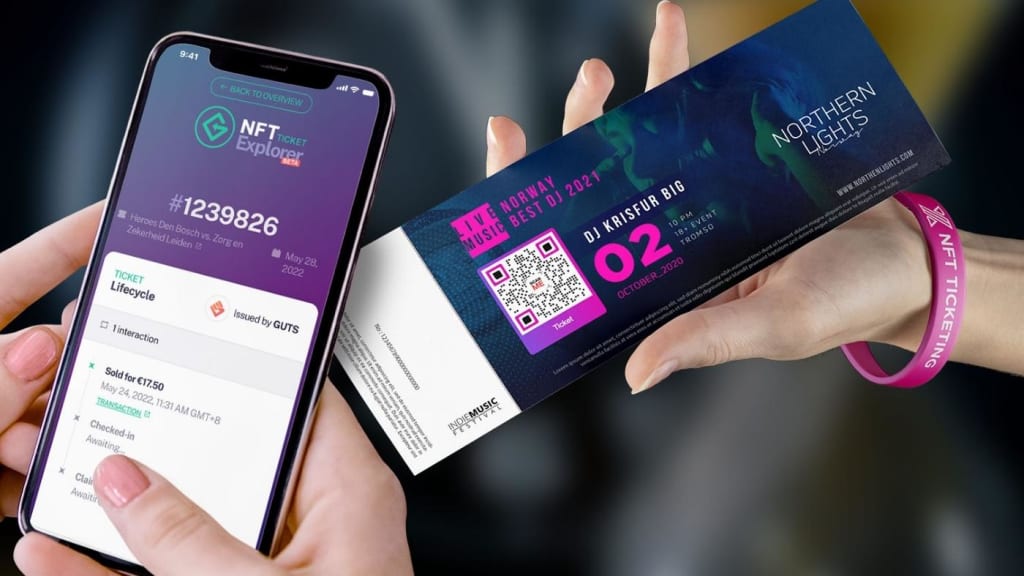
In recent years, the world of ticketing has witnessed a revolutionary change with the introduction of Non-Fungible Tokens (NFTs). These digital assets, powered by blockchain technology, have gained immense popularity in various industries, including art, music, and gaming. NFT tickets offer a unique opportunity to transform the ticketing industry by revolutionizing the way we buy, sell, and exchange tickets. This article explores the rise of NFT tickets, how they work, and their potential impact on the future of ticketing.
The Rise of NFT Tickets
NFT tickets have emerged as a result of the growing interest in blockchain technology and the desire for increased transparency and security in ticketing systems. Traditional ticketing methods often suffer from issues like counterfeiting, scalping, and limited accessibility. NFT tickets aim to address these challenges by leveraging the decentralized nature of blockchain technology.
How NFT Tickets Work
NFT tickets function by creating unique digital assets tied to a specific event or experience. These digital tickets are minted as NFTs on a blockchain platform, typically using Ethereum's ERC-721 or ERC-1155 standard. Each NFT ticket contains a set of metadata, including information about the event, venue, date, and seat details.
Upon purchasing an NFT ticket, the buyer's ownership is recorded on the blockchain, ensuring transparency and immutability. This ownership can be easily verified, eliminating the risk of counterfeit tickets. Additionally, NFT tickets can be transferred or sold to other individuals, providing a secondary market for ticket holders.
The Future of Ticketing
NFT tickets have the potential to revolutionize the future of ticketing in several ways. Firstly, they offer increased accessibility to events. With traditional tickets, geographical limitations and ticket scarcity often prevent fans from attending their desired events. NFT tickets, on the other hand, can be easily bought, sold, and transferred globally, enabling fans worldwide to access events they otherwise might have missed.
Secondly, NFT tickets provide enhanced security and fraud prevention. The unique nature of NFTs makes it extremely difficult to forge or replicate tickets, reducing the risk of fraud and counterfeit tickets. This increased security benefits both event organizers and attendees, ensuring a more trustworthy and reliable ticketing ecosystem.
Moreover, NFT tickets enable artists, performers, and event organizers to have greater control over ticket sales and pricing. Smart contracts embedded within NFT tickets can automatically enforce royalties or revenue-sharing agreements, ensuring that creators receive a fair share of secondary market transactions. This opens up new revenue streams for artists and promotes a more sustainable ticketing model.
Challenges and Considerations
While NFT tickets hold immense potential, there are challenges and considerations that need to be addressed. Firstly, the current scalability limitations of blockchain networks may hinder the widespread adoption of NFT tickets, as high transaction fees and network congestion could create barriers to entry.
Additionally, the environmental impact of blockchain technology, particularly in the case of energy-intensive proof-of-work consensus mechanisms, needs to be taken into account. The ticketing industry should explore more eco-friendly alternatives, such as blockchain platforms utilizing proof-of-stake or other energy-efficient algorithms.
Furthermore, educating the general public about NFTs and their benefits is crucial for widespread acceptance. Many people are still unfamiliar with blockchain technology and may be hesitant to embrace NFT tickets without a clear understanding of how they work and their advantages.
Conclusion
In conclusion, NFT tickets have the potential to revolutionize the ticketing industry by democratizing access to events, enhancing security, and providing new opportunities for artists and organizers. As blockchain technology continues to evolve and overcome scalability and environmental challenges, we can expect to see a significant shift towards NFT tickets in the future.
To stay ahead in this evolving landscape, ticketing platforms and event organizers should embrace the opportunities presented by NFTs. By leveraging the power of NFT marketplaces and the blockchain, they can create a more inclusive, secure, and transparent ticketing ecosystem that benefits both artists and fans alike. The future of ticketing is being shaped by NFTs, and it's an exciting time for the industry.
About the Creator
tompeter1123
https://www.jump.trade/
Keep reading
More stories from tompeter1123 and writers in 01 and other communities.
"Beyond Paper: How NFT Tickets are Revolutionizing the Ticketing Industry"
In recent years, a new technology called Non-Fungible Tokens (NFTs) has emerged as a revolutionary force in various industries. One such industry that is being significantly impacted by NFTs is ticketing. NFT tickets are transforming the way events are managed, creating new possibilities for fans, artists, and event organizers.
By tompeter11233 years ago in 01
How SEO Helps Small Businesses Compete with Big Brands
Imagine you own a small business and have just launched a well-designed website. Your products are good, your services are reliable, and your pricing is competitive. Yet when you search for your industry on Google, the first page is dominated by large brands. Their names appear everywhere, making it seem almost impossible for a smaller business to gain visibility.
By Henry Davidsa day ago in 01
Comparing SEO Services Montreal, SEO Company Ottawa, and SEO Marketing Company Vancouver
In Canada’s major business hubs, digital visibility has become one of the most important drivers of growth. Businesses today rarely rely solely on traditional marketing methods. Instead, they compete for visibility in search engines where potential customers actively look for services and products.
By Jane Smith7 days ago in 01
Worth the Wait: Puerto Viejo, Costa Rica
Beach bumming in a small Caribbean beach town sounded like a perfect way to end our 6-month trip through Mexico and Central America. Or so we thought. The foul, fishy stench of rotten seaweed hit our nostrils as we stepped from the cramped bus and looked out at a rather depressing, empty, and underwhelming black sand beach. It was pouring with rain, and we had to quickly fish out our ponchos. We thought, this couldn’t be it, could it?
By Sh*t Happens - Lost Girl Travel6 days ago in Wander



Comments
There are no comments for this story
Be the first to respond and start the conversation.