
DeepFakes
A Growing Threat of the Truth and Security

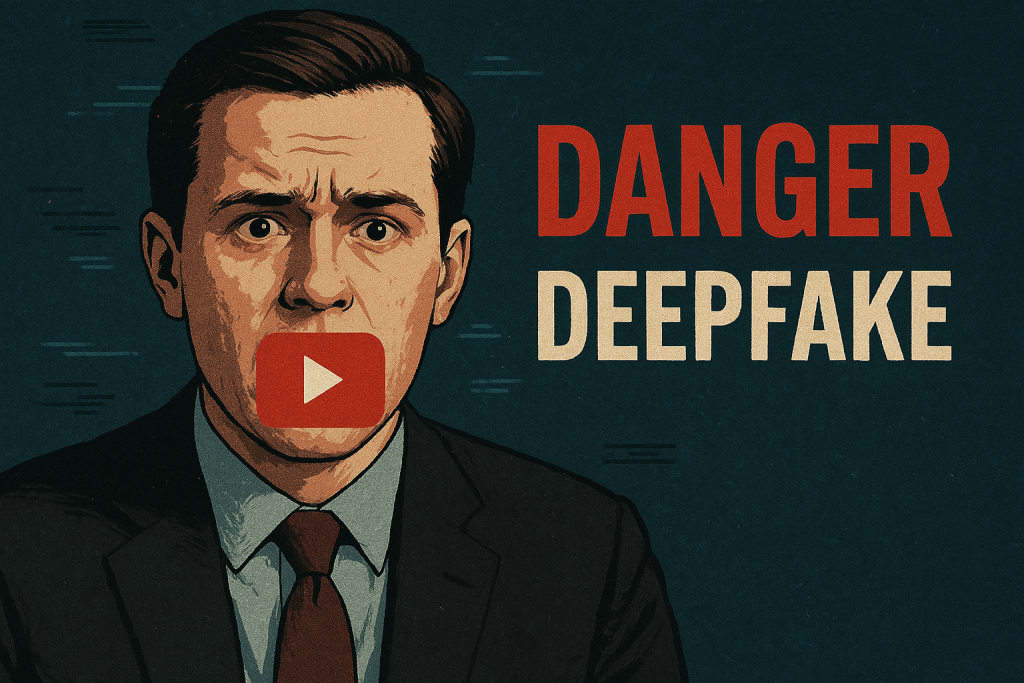
In today's digital age, the lines between reality and fiction are becoming increasingly blurred, with deepfakes gaining widespread attention. Deepfakes are a form of digital manipulation powered by artificial intelligence (AI) and machine learning techniques that enable the creation of hyper-realistic videos, images, and audio recordings. These manipulated media make it appear as though someone is saying or doing something they never did, raising serious concerns about misinformation, security, and personal privacy. Despite their legitimate uses in entertainment, media production, and virtual simulations, deepfakes have sparked debates due to their potential for misuse.
What Are Deepfakes?
Deepfake technology uses advanced AI models, particularly deep learning algorithms, to create hyper-realistic fake media. By analyzing large datasets of real images, videos, or voices, AI can simulate people performing actions or speaking lines that never actually occurred. The ability to generate such convincing simulations is impressive, but it also makes deepfakes a powerful tool for manipulation and deception.
The Dangers of Deepfakes
1. Spread of Misinformation and Disinformation
One of the most critical concerns regarding deepfakes is their ability to spread false information and manipulate public opinion. Malicious actors can use deepfake videos or audio recordings of political leaders, celebrities, or public figures to fabricate events or speeches. These fabricated clips can quickly go viral on social media, deceiving audiences who may not have the tools or knowledge to verify authenticity. In the context of elections or social movements, deepfakes can be weaponized to mislead the public and sway opinions, undermining trust in democratic processes.
2. Impersonation and Identity Theft
Deepfakes pose significant risks to personal privacy, security, and identity protection. Criminals can use deepfake technology to impersonate someone's voice or image, leading to serious consequences such as fraud, blackmail, and defamation. For example, a hacker could use a deepfake to mimic a CEO’s voice and authorize fraudulent transactions or create fake compromising videos to extort money. The psychological and financial damage caused by such impersonations can be devastating.
3. Impact on Mental Health and Relationships
The harm caused by deepfakes extends beyond public figures and impacts individuals' privacy and well-being. Deepfake pornography, where an individual's likeness is inserted into explicit videos without their consent, is a growing issue that violates privacy and causes emotional distress, particularly for women. This technology can also damage personal relationships by creating false videos that misrepresent someone’s actions or intentions, causing emotional harm.
4. Erosion of Trust in Media
As deepfakes become more sophisticated, they threaten to undermine trust in media and digital content. People may no longer be able to distinguish between authentic and manipulated content, leading to skepticism about all digital media. This erosion of trust can have detrimental effects on public discourse, making it difficult for individuals to discern truth from fiction. This growing uncertainty could destabilize societal norms, negatively impacting media credibility and democratic participation.
5. Security Threats and Social Engineering
Deepfakes also pose significant security risks. Criminals can use deepfake technology for social engineering attacks, impersonating trusted figures to manipulate individuals into divulging sensitive information, making fraudulent transactions, or gaining access to secure areas. Both businesses and individuals are at risk, and these security vulnerabilities underscore the need for advanced cybersecurity measures to prevent such attacks.
Conclusion
While deepfakes represent a remarkable technological achievement, their potential for harm cannot be overlooked. The risks posed by deepfakes — from privacy violations to security threats and erosion of trust — demand urgent attention from individuals, businesses, and governments alike. As the technology becomes more accessible and sophisticated, it is crucial to invest in deepfake detection tools, enact laws to address this issue, and educate the public about the dangers of manipulated media. With the right approach, we can mitigate the risks associated with deepfakes and maintain a safe, secure, and trustworthy digital landscape.
About the Creator
Marid Shahran Orik
I'm Orik, a student and writer from Bangladesh, passionate about literature, technology, and social issues. I aim to inspire and educate through fresh perspectives in my writing.
Keep reading
More stories from Marid Shahran Orik and writers in 01 and other communities.
ChatGPT-4.1
OpenAI has recently unveiled GPT-4.1, a significant advancement in AI language models that builds upon the capabilities of its predecessor, GPT-4o. This new version positions itself as a crucial tool for developers and businesses alike with notable enhancements to coding efficiency, instruction-following accuracy, and the capacity to process extended contexts.
By Marid Shahran Orik9 months ago in 01
What are Development Miami Trends Every Leader Should Know
In 2026, most CEOs in Miami no longer treat mobile apps as supporting tools. The app is often the brand, the revenue engine, or the operational backbone. When it slows down, breaks, or fails compliance checks, the impact lands at the executive level. This is the moment when trend awareness stops being a curiosity and becomes a responsibility.
By Mary L. Rodriquezabout 14 hours ago in 01
After-Sales Services from Hot Mix Plant Suppliers
Hot mix plant suppliers are critical partners for construction firms, particularly when providing after-sales service contracts that include predictive maintenance and emergency spare parts delivery. These services are designed to ensure that asphalt mixing plants operate smoothly, thereby minimizing downtime and associated costs. Understanding how these services impact the long-term asphalt plant cost is vital for contractors, especially those working on cross-border projects.
By Macroad Asphalt Plant7 days ago in 01
Miss Persephone's Manual to a Seemingly Ordinary Life
Miss Persephone was found at the dining table, her blue eyes swollen, her tears arriving and retreating like the tides of the ocean. Earlier that day, her family had visited her in the retirement home where she had lived for eight years. It was her eightieth birthday.
By Imola Tóth4 days ago in Fiction


Comments
There are no comments for this story
Be the first to respond and start the conversation.