
Debit Card Fraud Protection: What Is It and How Long Does an Investigation Take
What Is Fraud Protection, What Laws Can Protect You, and What about the Reimbursement

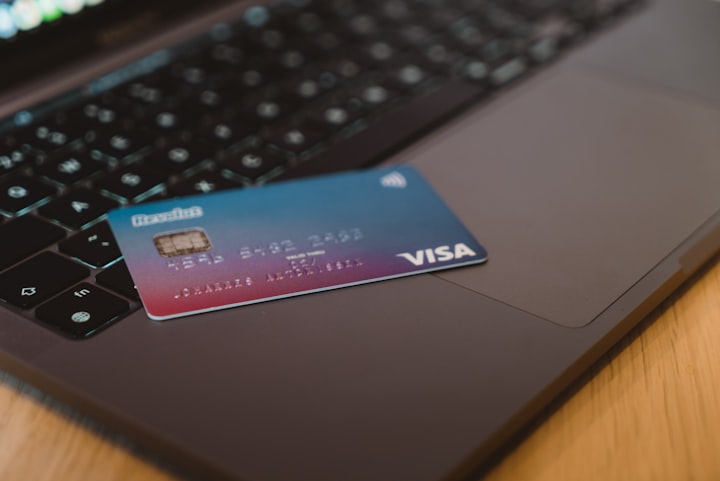
The 21st century is filled with various innovative developments that can make our life easier but can also harm. It's hard to find someone who doesn't have a bank account. We all watched movies about bank robberies in masks and with weapons. However, how long have you heard of this on the news? We are sure that you either did not hear at all or for a very long time. However, this does not mean at all that banks have stopped robbing, and therefore their clients. Scammers are now doing their dirty business online from anywhere in the world. And it is the client who loses money, and the bank's reputation. Does the bank really not care if someone can cheat their security system? Of course, not. Each bank has financial fraud protection. We will talk about this in more detail. And if such an unpleasant situation happens to you, you will already know what it is, what the law protects you, and whether monetary compensation is possible. Enjoy the reading!
What Is Fraud Protection?
Now, when most of the information is stored not on paper, but on electronic media and when it became possible to resolve issues with the bank by phone, it became necessary to take quick security measures. Protecting information from external attacks is not the only goal of fraud protection on someone’s debit cards. Also, make sure the people who use the information are who they say they are. Bank staff must properly verify the identity of the person over the phone. And only after that, discuss any confidential account data. Financial institutions are introducing new technologies to identify problem transactions or attempts to your money through bank accounts. It makes their jobs easier. Unfortunately, artificial intelligence is not perfect and bank fraud protection does not provide a 100% security guarantee. For example, you often travel abroad and make large transactions there. In the beginning, the algorithm will ask you to confirm that it is really you. However, in the future, such transactions will not raise any more doubts. And who knows, maybe one of them will be committed by a fraudster. Therefore, banks and other financial institutions still use more traditional methods of protection against fraud. We are talking about PIN codes and passwords. Double authentication is often used. This allows registrants to check their personality using codes sent by phone or email. However, the use of biometric data is considered to be more secure. For maximum efficiency, biometric information should be stored on the institution's service system. If your device is compromised, you can easily bypass or change security rules. And that is a serious reason. An example of such protection is the use of voice biometric. With this technology, it is possible to verify a person's identity when calling a bank call center. It is also verbal or behavioral biometrics. It is a popular way of protection in online correspondence. And how does the client himself/herself take part in protecting his/her data? Let's figure it out.
How to Protect Yourself?
Bank employees repeatedly warn their clients what information should in no case be communicated over the phone and what information they will in no case ask you to send them. For example, the CVV code can only be recognized on the back of your card. Also, in no case should you follow the links in emails, even if you think that this is a letter from a bank. If you receive a strange call or email, be sure to contact your bank by calling the official phone number. Firstly, you can verify whether it was a fraudster or a bank representative. And secondly, the bank will be warned and will be able to strengthen banking fraud protection and warn other clients about possible dangerous calls and letters.
Debit Cards Relatively Fraud Protection Laws
There are two laws that you should definitely be familiar with two federal laws, which are connected with credit billing and electronic fund transfer. The first one protects wire transfers in bank accounts, while the second protects your credit card. Among the secure transactions:
Withdrawal from an ATM;
Transactions made in person, online, or by phone;
Changing paper checks to electronic ones;
Transfers between different bank accounts;
Transfers to your account in both directions.
If your debit card is stolen, you must act as fast as you can. If you notify the bank before the fraudsters use the card, then you will not suffer losses. However, if the expenses took place and were reported to the bank within 2 days, then the losses will be up to $ 50. The more time passes, the more your losses will be. However, if the card itself is not lost, but only its number, then the situation is completely different. Under fraud protection relatively a debit card, you can be protected, if you notified about any transactions by scammers within 60 days, you are not responsible.
How Long Does A Fraud Investigation Take?
The answer to this question is a little ambiguous because much depends on you. The client must follow all instructions that are assigned to this procedure. The bank can study any of your claims within 10 days. The investigation of the error may take longer (45-90 days). Besides EFTA, you can also be protected by state law. The timing of this procedure depends on the type of transaction and the state laws, which you can check on the website of your state attorney.
Is It Possible to Get Some Debit Card Fraud Reimbursement?
If you have not taken any steps to compromise the security of your bank account, you can expect to reimburse your money. However, not all so simple. If the bank has reasonable grounds to believe that you have seriously neglected the security of your account, the refund may be delayed. If a bank investigation confirms your negligence, you may have to bear the losses we mentioned above. The bank may also refuse to refund money if you reported an unauthorized payment after 13 months or more.
Be careful, check your statements regularly and know your rights. Then it will be more difficult for fraudsters to deceive you, or you can easily recover the stolen amount. If you have previously encountered a similar situation, then share in the comments how your problem was resolved and how long does your bank fraud investigation take. Your experience can help other people. Thank you for reading the article to the end. We hope that this information was interesting and useful for you.
Sources:
"Bank Scams" on 123chargeback.com
"Protection From Electronic Banking Fraud" on thebalance.com
"How Banks Are Working to Protect You From Fraud" on usnews.com
About the Creator
The Weight of Envelope
My brother, Mateo, used to say that hope was the heaviest thing a person could carry. He wasn’t being poetic. He was a carpenter, and for him, weight was a literal thing, the heft of a two-by-four, the drag of a toolbox across a job site. But the day he got the thin envelope from the Canadian government, the one with the maple leaf watermark, he stood in our kitchen and held it like it was made of lead.
By Jordan Belford2 days ago in 01



Comments
There are no comments for this story
Be the first to respond and start the conversation.