
Daily Life Through the Ages: Exploring Food, Fashion, and Social Habits Across Eras
A Journey into the Everyday Lives of Past Generations

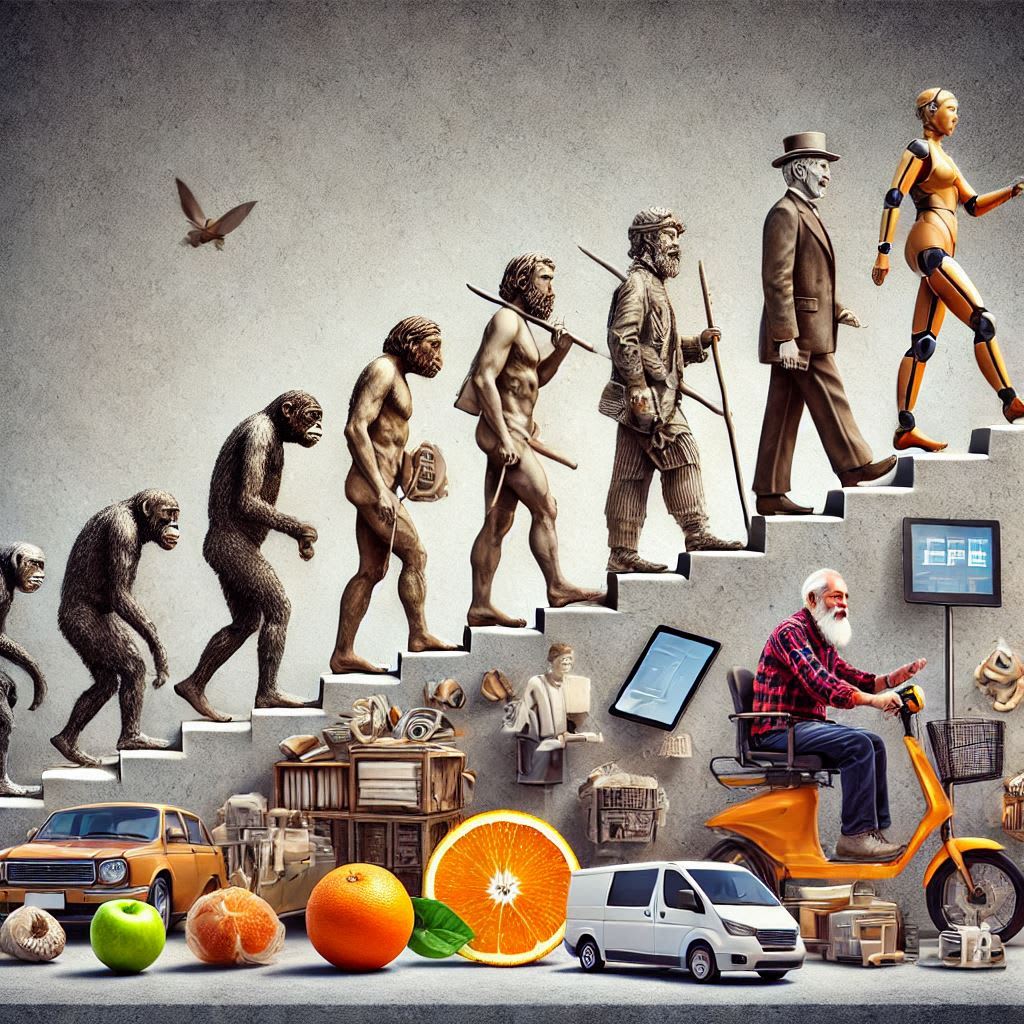
The history of humanity is not just about grand events and famous figures; it is also the story of daily life and how people lived, worked, and interacted with their world. Let's take a journey through different periods to explore how food, fashion, and social habits have evolved over time.
Medieval Times: Feasts and Fashions
In medieval Europe, daily life was heavily influenced by one’s social status. Nobles feasted on an array of meats, bread, and ale, while peasants subsisted on simpler fare like pottage— a thick soup made from grains and vegetables. Fashion was equally divided by class, with nobles wearing elaborate garments made from silk and velvet, adorned with jewels, while commoners wore simple woolen tunics.
Social habits revolved around the feudal system, where loyalty to one's lord and participation in local festivals and markets were paramount. The church also played a central role, dictating moral conduct and community gatherings. Everyday activities were structured around agricultural cycles, with seasons determining the rhythm of life. Feasts marked special occasions, and fairs provided rare opportunities for entertainment and trade.
Renaissance: A Flourish of Culture and Cuisine
The Renaissance brought a rebirth of culture and refinement, influencing every aspect of daily life. Food became more varied and sophisticated, with the introduction of new ingredients from the New World, like tomatoes and potatoes. Dining became an art form, with elaborate banquets and fine tableware. The use of spices and exotic ingredients became a symbol of status and wealth.
Fashion saw a revolution with intricate designs and luxurious fabrics. Men wore doublets and hose, while women donned gowns with elaborate ruffs and corsets. Socially, the period was marked by intellectual gatherings, the rise of the merchant class, and a growing appreciation for art, music, and literature. The Renaissance also saw the expansion of public spaces, such as theaters and squares, fostering a sense of community and shared culture.
Victorian Era: Strict Etiquette and Modern Conveniences
The Victorian era introduced modern conveniences alongside strict social etiquette. Meals were structured, with breakfast, lunch, and dinner becoming standard. Food was abundant, thanks to advancements in agriculture and preservation, but heavily influenced by social standing. The upper class dined on multi-course meals, while the working class had simpler, hearty meals.
Victorian fashion was characterized by formality and modesty. Men wore suits with waistcoats, while women were encased in corsets, crinolines, and bustles. Social habits were governed by a rigid code of conduct, with an emphasis on propriety and decorum. The era also saw the rise of leisure activities, such as theater, reading, and the first forms of organized sports. The advent of railways and telegraphs began to shrink distances, transforming daily life and communication.
Roaring Twenties: A Decade of Change
The 1920s, or the "Roaring Twenties," were a time of great social and cultural change. Food became more accessible and diverse with the advent of canned goods and refrigeration. Dining out in restaurants became increasingly popular, and speakeasies flourished during Prohibition, offering secret venues for socializing and entertainment.
Fashion underwent a dramatic transformation, with women embracing shorter skirts, bobbed hair, and more relaxed, flapper-style dresses. Men favored more casual suits and sportswear. Socially, the decade was marked by a sense of liberation and innovation, with jazz music, dancing, and cinema becoming central to entertainment. The rapid urbanization and technological advancements, like the automobile and radio, fundamentally altered daily routines and leisure activities.
Post-War Boom: Prosperity and Modernization
The mid-20th century post-war era brought about unprecedented prosperity and modernization. Food culture saw the introduction of convenience foods and suburban barbecues. The rise of supermarkets changed how people shopped and ate, making a variety of foods more accessible than ever before.
Fashion during this period was marked by a return to formality in the early years, followed by the explosion of youth culture and casual wear in the 1960s. Social habits were influenced by the nuclear family ideal, television's dominance, and the beginnings of the digital age. Suburban life, with its emphasis on home ownership and car travel, defined the American dream and reshaped daily life across many parts of the world.
Conclusion: The Tapestry of Everyday Life
Examining the daily life of different historical periods offers a rich tapestry of human experience. From the feudal feasts of medieval times to the liberated lifestyles of the Roaring Twenties and the prosperous post-war boom, each era reflects the values, innovations, and social dynamics of its time. By understanding these aspects, we gain a deeper appreciation for the diverse and ever-evolving nature of human society. The evolution of daily life showcases the resilience and adaptability of humanity, constantly shaping and being shaped by the world around us.
Like, Share, and Subscribe!
Help us grow and bring you more exciting content! By liking, sharing, and subscribing, you're supporting us in our mission to create quality and engaging material. Join our community and let's build a space full of valuable information and entertainment together.
About the Creator
Dali
Writer on current and relevant topics. Sharing insights with humor and creativity. Let's dive into the future together.
Hospital App Development: Cost and Planning Guide
I was sat in a Texas clinic last week, fixin' to get my knee looked at. The app for the hospital wouldn't load my chart. Fair dinkum, it was useless. It’s 2026. We have robot taxis, yet my doctor's app acts like a 2004 flip phone.
By Sherry Walkerabout an hour ago in 01
These Billionaires Bet Big On GreenLand—After Trump Took Interest
Topline Just months after President Donald Trump first expressed interest in the United States possibly gaining control over Greenland, some of the richest people in the world—including Jeff Bezos, Bill Gates and Michael Bloomberg—began making strategic investments in the mineral-rich island.
By Dena Falken Esq3 days ago in 01
How, Too
Many people wonder how, too. You are not alone, and I am an expert. I will teach you how, too! First, you need to remit a small application fee and fill out an application describing the nature of your financial situation and how often payments will be made, as this will have great bearing on how well I teach you how, too.
By Harper Lewis3 days ago in Fiction



Comments
There are no comments for this story
Be the first to respond and start the conversation.