
Custom Projects and Their Influence on the Cost of Concrete Batching Plant
Exploring how tailored designs, site-specific requirements, and advanced features impact the overall cost of concrete batching plants in custom construction projects.
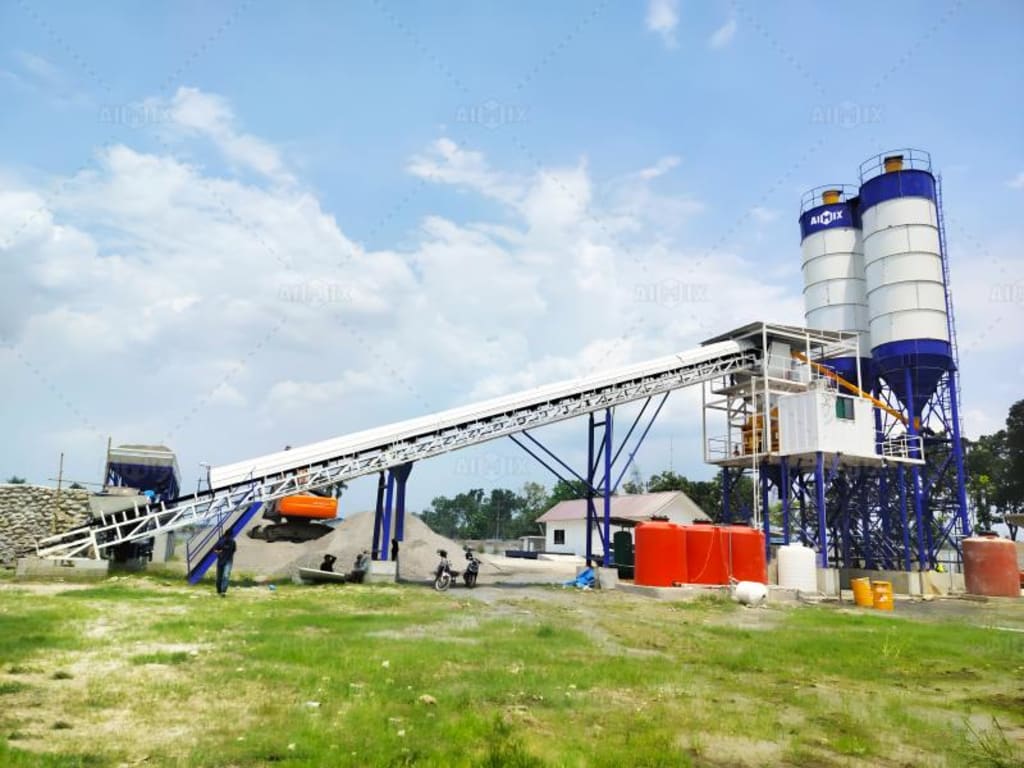
In today’s highly competitive construction industry, the demand for tailored solutions is growing rapidly. One of the most critical investments in concrete production is the batching plant — and its cost can vary significantly depending on the specific needs of a project. While standard plants come with fixed configurations and capacities, custom projects often require flexible design, unique features, and site-specific adaptations that influence both initial and long-term costs.
In this article, we explore how custom projects impact the cost of concrete batching plant, the key cost-driving factors, and how businesses can strategically approach customization without losing control of their budget.
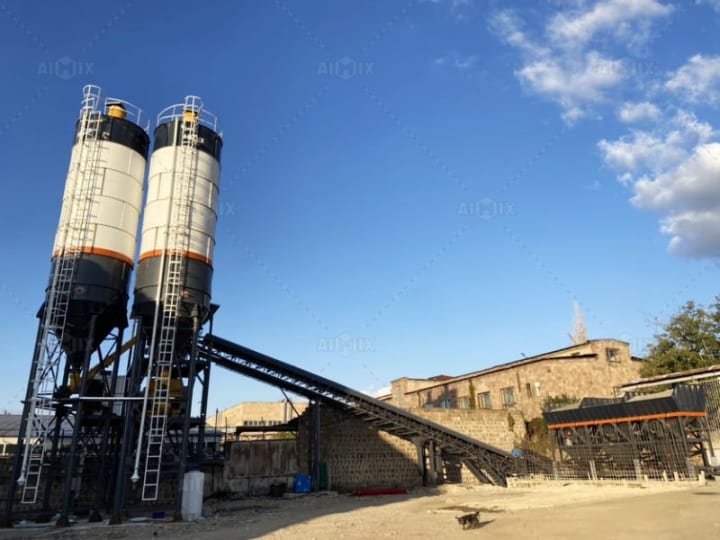
Understanding Custom Concrete Batching Plant Projects
A custom concrete batching plant is designed to meet the exact needs of a particular construction scenario. These projects may differ in terms of:
Location constraints (limited space, harsh terrain)
Production capacity
Automation levels
Material types (e.g., recycled aggregates, green cement)
Mobility requirements (mobile vs. stationary)
Integration with other systems (e.g., silo systems, weighing systems, water recycling)
While custom plants offer a perfect fit for project-specific needs, they also introduce cost variables that must be carefully evaluated.
Major Factors Influencing Cost in Custom Projects
1. Design and Engineering Time
Custom batching plants require a detailed design phase that involves:
Technical drawings and structural planning
Simulation of workflow and material flow
Safety and compliance checks (local and international standards)
This engineering overhead adds to the upfront cost, often increasing the total project cost by 10%–20%, especially when advanced modeling or simulation is required.
2. Unique Material Requirements
Custom projects sometimes need batching plants that handle:
Specialty admixtures
Lightweight or recycled aggregates
High-performance concrete (HPC)
These needs require additional material storage, custom dosing systems, or modified mixing technology, all of which affect both equipment pricing and maintenance costs.
3. Automation and Digital Integration
Modern batching plants can be integrated with PLC control systems, IoT-based remote monitoring, and SCADA systems for smart diagnostics. Custom projects often demand a higher degree of automation for safety, accuracy, and efficiency.
While this improves productivity, it raises costs due to:
Custom software development or system integration
Training for operators
Long-term maintenance of digital infrastructure
Expect a 15%–30% increase in plant cost when advanced automation is required.
Installation Challenges in Custom Setups
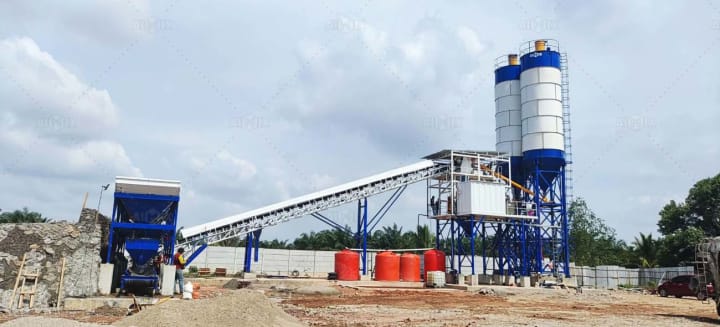
Another critical aspect affecting the cost of custom concrete batching plants is the complexity of installation. For example:
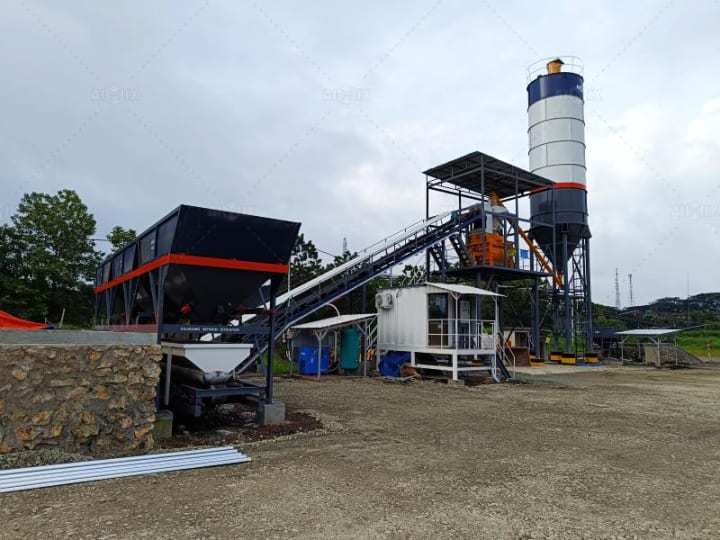
A batching plant located on a mountainous site may need a compact footprint, requiring a modular plant with unique supports or foundation structures.
Projects in urban centers may require noise and dust control systems, further adding to cost.
Additionally, the need for faster deployment in some custom projects (e.g., road repairs, military installations) may drive the choice toward fast-installing mobile batching plants, which are more expensive per unit capacity.
Maintenance and Operating Costs
Custom plants often come with non-standard components, which can lead to:
Higher maintenance costs (spare parts may not be readily available)
Specialized service contracts
Additional training for technical staff
It’s important to include these lifecycle costs in the total cost analysis of the plant, not just the purchase price.
Case Study Example
Let’s consider a custom precast concrete plant designed for a coastal infrastructure project:
The batching plant had to resist corrosion from salt air.
It was equipped with stainless steel structures, custom water recycling, and enclosed conveyors.
The total cost was 35% higher than a standard plant of similar capacity.
However, the return on investment was realized faster due to increased output and reduced concrete wastage.
This case illustrates how customization can improve project performance, even if the initial cost is higher.
Tips for Managing Costs in Custom Projects
Work with Experienced Manufacturers
Choose suppliers like Andamine or Aimix, who specialize in tailored batching solutions and offer cost-effective customization.
Prioritize Critical Custom Features
Not all customizations offer equal ROI. Focus on elements that improve output quality, reduce waste, or ensure safety.
Use Modular Designs Where Possible
Modular components are easier to install, relocate, and maintain, reducing both installation and long-term costs.
Plan for Maintenance and Upgrades
Include lifecycle planning in the budget — a slightly higher initial cost may be offset by lower future expenses.
Consider Leasing or Rent-to-Own Options
For short-term or highly specialized projects, renting a custom batching plant may be more cost-effective.
Final Thoughts
The cost of concrete batching plant in custom projects depends on a variety of factors — from design complexity and material needs to installation challenges and long-term operation. While customization generally raises the upfront investment, it also delivers superior alignment with project goals, greater efficiency, and better-quality concrete.
In the end, a carefully planned custom batching solution not only meets technical requirements but also offers strategic value. Businesses that prioritize fit-for-purpose solutions over one-size-fits-all models are more likely to maximize their investment and stand out in competitive construction markets.
About the Creator
consrtuctionmachines
AIMIX is a customer-center-oriented heavy equipment manufacturer and supplier, devoted to production, innovation, combination, one-stop solution, etc.
https://aimixgroup.com/
Keep reading
More stories from consrtuctionmachines and writers in 01 and other communities.
Concrete Batch Plant for Sale: What Contractors Should Know About Industry Shifts
The construction industry is undergoing a transformation, and with it, the demand for efficient and adaptable concrete production systems is evolving. Whether you're a general contractor, precast manufacturer, or infrastructure builder, understanding current trends and industry shifts is crucial when exploring a concrete batch plant for sale. These shifts affect not only pricing and configuration but also the adoption of modern concrete batching plant machines and digital technologies.
By consrtuctionmachines6 months ago in 01
Top 10 Ecommerce App Development Companies to Watch in 2026
In an increasingly mobile-first world, ecommerce app development has become central to how businesses reach, engage, and convert customers. From personalized shopping experiences to seamless checkout and omnichannel integration, ecommerce apps are now essential for brands of all sizes. As we move deeper into 2026, selecting the right partner to build your digital commerce platform can make the difference between a thriving marketplace and a missed opportunity.
By Aarti Jangid4 days ago in 01
Soundtrack of a City: How Local Music Scenes Reveal the True Soul of a Destination
Music as a Cultural Language Every city has a sound. Long before you understand its history or customs, you can often feel its spirit through the music that fills its streets, clubs, and neighborhoods. Local music scenes act as a living language, expressing everything from struggle and celebration to identity and pride. When you travel, listening to that soundtrack gives you access to emotions and stories that guidebooks can never fully explain.
By Devon Alexis2 days ago in 01



Comments
There are no comments for this story
Be the first to respond and start the conversation.