
Crypto Staking: What It Is and How You Can Earn Passive Income
By Jay Phoenix

Cryptocurrency is not just about buying low and selling high. In fact, one of the most exciting ways to earn from crypto is by staking. It’s a method that allows you to grow your portfolio passively, often with returns that far outpace traditional financial investments.
But what exactly is crypto staking? How does it work, and how can you get started? Let’s break it all down in this comprehensive guide to earning passive income through staking.
What Is Crypto Staking?
At its core, staking is the process of locking up your cryptocurrency to support the operations of a blockchain network. In return, you earn rewards—much like earning interest on a savings account or dividends from stocks.
Staking is typically associated with blockchains that use the Proof of Stake (PoS) or Delegated Proof of Stake (DPoS) consensus mechanisms. Unlike Proof of Work (PoW) networks like Bitcoin, which rely on miners to validate transactions, PoS networks use staked coins to maintain security and validate transactions.
How Does Staking Work?
Here’s a step-by-step explanation of how staking works:
Hold and Stake Coins:
To participate, you need to own a cryptocurrency that supports staking (e.g., Ethereum, Cardano, or Solana).
You lock up these coins in a staking wallet or platform.
Network Participation:
By staking your coins, you’re helping to validate transactions and secure the blockchain. The more you stake, the higher the chance your stake will be chosen to validate a block.
Earn Rewards:
In return for your contribution, you receive staking rewards, usually in the form of additional cryptocurrency.
Why Staking Is a Game-Changer
Staking has gained immense popularity for several reasons:
Passive Income:
Unlike trading, which requires constant monitoring, staking allows you to earn rewards simply by holding coins.
Supports the Network:
By staking, you’re contributing to the blockchain’s security and efficiency.
Eco-Friendly Alternative:
PoS networks consume significantly less energy than PoW systems like Bitcoin, making staking a greener option.
Low Entry Barrier:
Many staking platforms allow users to start with small amounts of cryptocurrency, making it accessible to beginners.
Top Cryptocurrencies for Staking
Not all cryptocurrencies can be staked, but here are some popular options with strong rewards:
Ethereum (ETH):
With Ethereum’s transition to PoS, staking ETH has become a lucrative option. Rewards range from 4% to 10% annually.
Cardano (ADA):
Cardano is known for its robust staking mechanism, offering rewards of around 4% to 6% annually.
Solana (SOL):
Solana’s high-speed blockchain makes it a popular choice, with staking rewards between 6% and 8%.
Polkadot (DOT):
Polkadot offers one of the highest staking rewards, ranging from 10% to 14% annually.
Avalanche (AVAX):
With rewards of 8% to 12%, Avalanche is a great option for those looking to stake.
How to Get Started with Staking
Ready to stake? Here’s how to get started:
Choose a Cryptocurrency:
Select a coin that supports staking. Consider factors like potential rewards, network reputation, and long-term growth.
Set Up a Wallet:
Use a wallet that supports staking, such as MetaMask, Ledger, or Trust Wallet.
Pick a Staking Platform:
Options include:
Exchanges: Binance, Coinbase, and Kraken offer user-friendly staking services.
Validators: For direct staking, choose a reputable validator to delegate your coins.
DeFi Platforms: Use decentralized platforms like Lido Finance for staking.
Stake Your Coins:
Lock up your cryptocurrency through the wallet or platform. The process is usually straightforward and takes only a few minutes.
Monitor Your Rewards:
Keep track of your rewards and reinvest them to benefit from compounding.
Risks of Staking
While staking is generally safer than trading, it’s not without risks:
Market Volatility:
The value of your staked coins can drop, potentially offsetting your rewards.
Lock-Up Periods:
Some staking programs require you to lock your funds for a specific period, limiting liquidity.
Validator Risks:
If the validator you delegate to acts maliciously or inefficiently, you could lose a portion of your rewards.
Slashing:
In some networks, validators can be penalized for poor behavior, reducing your rewards.
Tips for Successful Staking
Diversify Staking Coins:
Spread your investments across multiple cryptocurrencies to minimize risk.
Research Validators:
Choose validators with a strong reputation and low commission rates.
Use Secure Wallets:
Protect your staked assets by using hardware wallets or platforms with robust security measures.
Stay Informed:
Keep up with news and updates about the blockchain networks you’re staking on.
Final Thoughts
Crypto staking is an excellent way to earn passive income while supporting the blockchain ecosystem. With its growing popularity and accessibility, there’s never been a better time to explore staking as part of your investment strategy.
However, like any investment, staking comes with risks. Do your research, choose reputable platforms, and start small if you’re new to the process. By following this guide, you’ll be well on your way to making the most of crypto staking.
So, are you ready to put your crypto to work? The world of staking is waiting!
About the Creator
Keep reading
More stories from Jay Phoenix and writers in 01 and other communities.
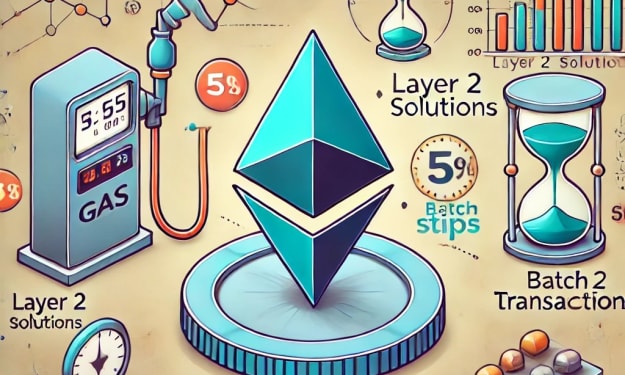
Understanding Gas Fees: Why Ethereum Transactions Can Be Expensive
If you’ve ever tried to send Ethereum or interact with a decentralized application (dApp), you’ve likely encountered gas fees. And let’s be honest, sometimes those fees feel sky-high. But what are gas fees, why do they fluctuate so much, and is there any way to reduce them?
By Jay Phoenixabout a year ago in 01
The Top 10 Reasons Why Hackers Target Facebook Accounts: A Complete Guide to Methods, Malware, and Protection
The Billion-Dollar Black Market of Stolen Identities A Facebook account is more than a social profile—it’s a digital identity, a repository of personal connections, memories, and often, a gateway to other online services. This immense value has made Facebook accounts a prime target for cybercriminals worldwide. But what truly drives hackers to invest time and resources in compromising these accounts? This in-depth article explores the top motivations, reveals the real methods and tools used, and provides a robust defense blueprint to protect your digital life.
By Alexander Hoffmann2 days ago in 01



Comments
There are no comments for this story
Be the first to respond and start the conversation.