
Cost of Concrete Batching Plant: ROI Analysis and Profitability for Construction Businesses
Maximizing Investment: Evaluating Costs, ROI, and Profitability of a Concrete Batching Plant for Construction Businesses
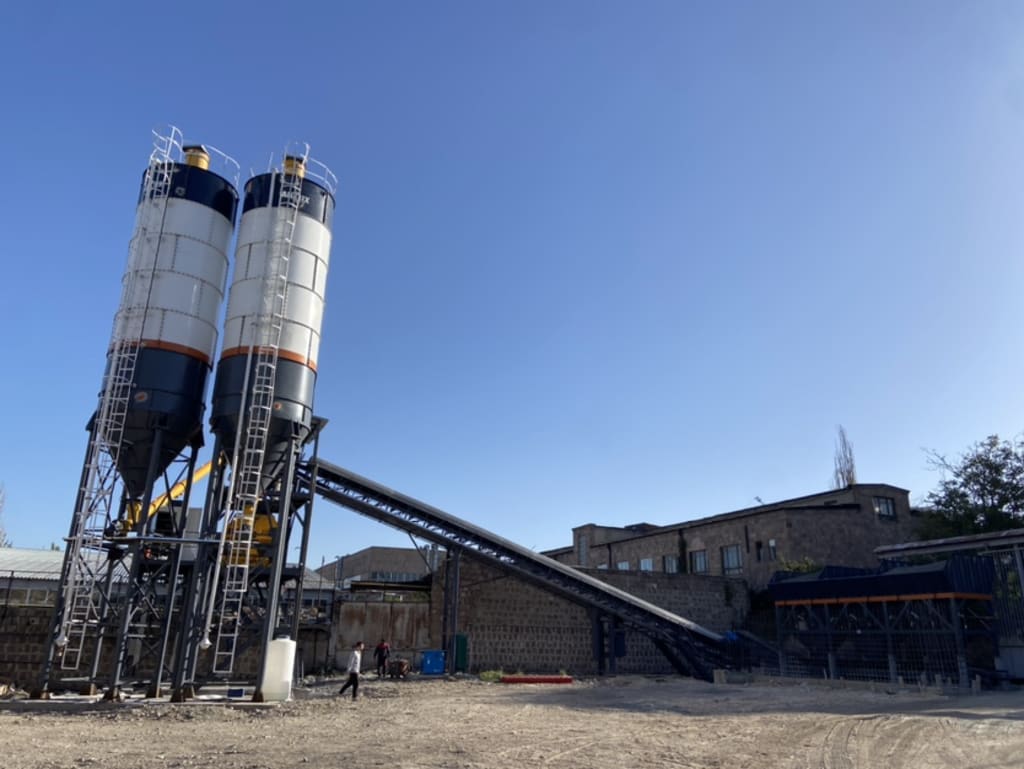
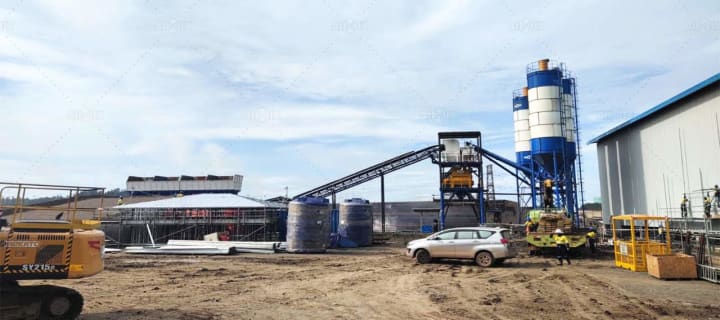
Investing in a concrete batching plant is a significant financial decision for construction businesses. The cost of a concrete batching plant depends on various factors, including plant type, capacity, automation, and brand. However, beyond the initial investment, it is essential to assess the return on investment (ROI) and long-term profitability.
For businesses looking to expand their operations, understanding the cost structure and evaluating the offerings of batching plant manufacturers is crucial. This article explores the key cost factors, ROI considerations, and how a batching plant can enhance profitability in the construction industry.
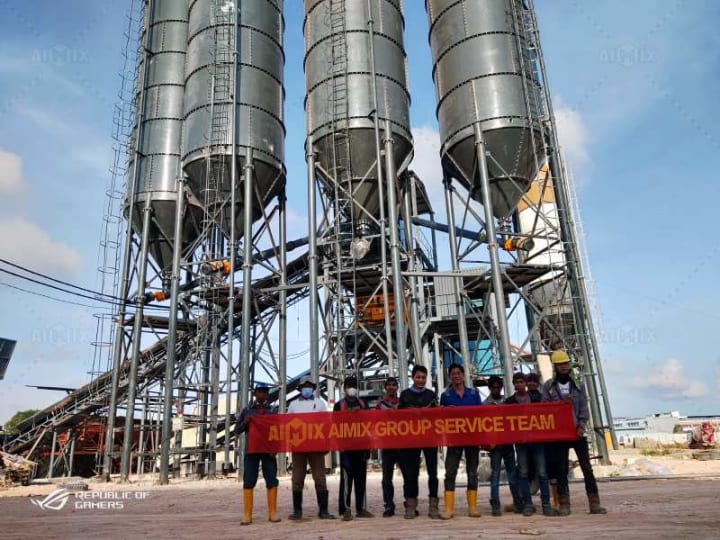
Factors Affecting the Cost of a Concrete Batching Plant
1. Plant Type and Capacity
Stationary batching plants: Ideal for large-scale projects with high production demands. These plants have a higher upfront cost but lower operational expenses over time.
Mobile batching plants: Designed for temporary or small-scale projects, offering flexibility but at a slightly higher per-unit production cost.
Mini batching plants: A cost-effective solution for small construction businesses, balancing affordability with efficiency.
2. Automation and Technology
Fully automated plants: More expensive but reduce labor costs and improve efficiency with precise material batching.
Semi-automated plants: A lower-cost alternative that requires more manual control but still enhances productivity.
3. Batching Plant Manufacturers and Brand Reputation
Well-known manufacturers provide high-quality components, reliable after-sales support, and warranties, but often come with a higher price tag.
Lesser-known brands may offer lower upfront costs but could have limited spare part availability and maintenance support.
4. Installation and Transportation Costs
On-site installation expenses, including foundation work, power supply setup, and crane costs, add to the overall investment.
Shipping and transportation fees depend on the plant's location and size, affecting the total purchase price.
5. Raw Materials and Operational Expenses
Energy consumption, water usage, and maintenance costs impact the long-term operational budget of a batching plant.
Material storage and handling systems also influence the overall cost of concrete batching plant.
ROI Analysis of a Concrete Batching Plant
Investing in a batching plant should be evaluated based on its ROI. Here are the key elements to consider:
1. Production Cost Savings
Owning a batching plant reduces reliance on third-party concrete suppliers, lowering procurement costs. Bulk purchasing of raw materials also leads to better cost control and improved margins.
2. Increased Efficiency and Productivity
Automated plants significantly improve mixing precision, ensuring consistent quality and reducing material wastage. This leads to higher output in shorter timeframes, increasing project efficiency.
3. Revenue Generation Through Concrete Supply
Besides using the plant for in-house projects, businesses can generate additional revenue by supplying concrete to local contractors, further enhancing profitability.
4. Reduced Labor Costs
Automation minimizes manual labor requirements, cutting down on workforce expenses while improving accuracy and efficiency in concrete production.
5. Long-Term Cost Savings and Equipment Longevity
A well-maintained batching plant from a reputable batching plant manufacturer can last for decades, ensuring long-term financial benefits and reducing replacement costs.
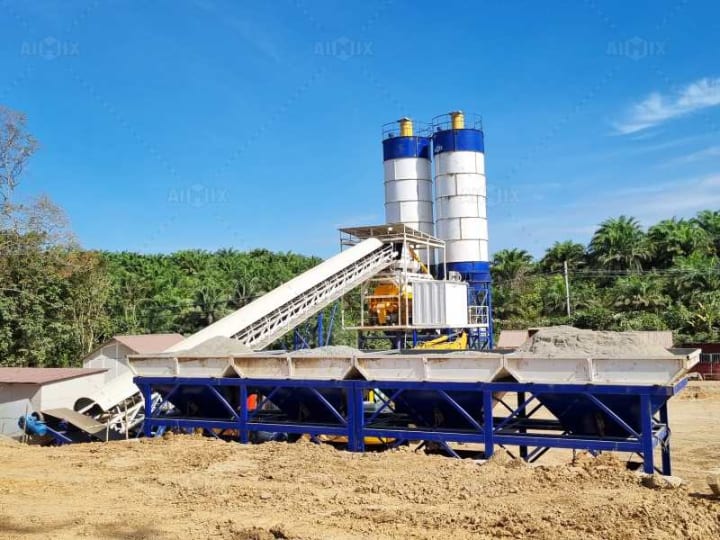
How a Batching Plant Enhances Construction Business Profitability
1. Lower Concrete Procurement Costs
By producing concrete in-house, construction businesses eliminate price fluctuations and transportation expenses associated with buying ready-mix concrete.
2. Faster Project Completion
A dedicated batching plant ensures a steady supply of concrete, reducing project delays and enabling faster completion, which translates into higher profits.
3. Customization for Specific Project Needs
Having control over concrete production allows businesses to customize mix designs based on project specifications, improving construction quality and client satisfaction.
4. Competitive Advantage in the Market
Owning a batching plant enables construction firms to take on more projects and meet tight deadlines, giving them a competitive edge over companies reliant on external suppliers.
Choosing the Right Batching Plant Manufacturer
Selecting a reliable batching plant manufacturer is critical for ensuring quality, efficiency, and long-term support. Consider the following when choosing a manufacturer:
1. Reputation and Experience
Look for manufacturers with a strong industry track record and positive customer reviews.
Established brands offer better quality assurance and after-sales service.
2. Product Range and Customization
Choose a manufacturer that provides various batching plant models tailored to different production needs.
Customizable features allow businesses to optimize plant performance based on project requirements.
3. Technical Support and Spare Parts Availability
Ensure the manufacturer provides comprehensive installation, maintenance, and repair services.
Easy access to spare parts minimizes downtime and enhances operational efficiency.
4. Cost and Financing Options
Compare pricing from multiple manufacturers to find the best value for money.
Some manufacturers offer financing plans, reducing the burden of high upfront costs.
Conclusion
The cost of a concrete batching plant extends beyond the initial purchase price—it includes operational expenses, maintenance, and long-term profitability. Understanding the key cost factors, evaluating the ROI, and choosing the right batching plant manufacturer are essential for maximizing financial returns.
For construction businesses, investing in a batching plant can lead to significant cost savings, improved efficiency, and enhanced profitability. By carefully assessing the options and selecting the right equipment, companies can ensure sustainable growth and a strong competitive position in the industry.
About the Creator
consrtuctionmachines
AIMIX is a customer-center-oriented heavy equipment manufacturer and supplier, devoted to production, innovation, combination, one-stop solution, etc.
https://aimixgroup.com/
Keep reading
More stories from consrtuctionmachines and writers in 01 and other communities.
Defining and Utilizing the Small Concrete Pump Machine
The small concrete pump machine is a versatile and essential tool in the construction industry. Its compact size and maneuverability make it an invaluable asset for various construction projects, especially in tight or confined spaces. Understanding what a small concrete pump machine is and how to properly use it is crucial for ensuring efficient and safe operations on the job site.
By consrtuctionmachines12 months ago in 01
How to Recover Your Instagram Password: Ethical Methods and Security Guide
Losing access to your Instagram account is frustrating. Whether you've forgotten your password or suspect unauthorized access, this guide provides the most effective recovery methods currently available. We'll explore legitimate recovery options, review password security tools, and offer essential protection strategies. Important note: This article covers password recovery for your own account only. Unauthorized access to others' accounts violates Instagram's terms and may be illegal.
By Alexander Hoffmann6 days ago in 01



Comments
There are no comments for this story
Be the first to respond and start the conversation.