
Cosplay and Community: How Fandom Became a Lifestyle
Exploring how dressing as beloved characters turned into a global movement, shaping identity, creativity, and social connection in 2026


Cosplay has evolved far beyond the confines of conventions and online forums, becoming a full-fledged lifestyle embraced by millions around the world. Once considered a niche hobby for passionate fans of anime, comics, and video games, cosplay today represents a dynamic intersection of art, self-expression, and community engagement. Participants craft costumes, props, and makeup with astonishing skill, often spending months perfecting every detail to embody their favorite characters. But cosplay is more than craftsmanship—it’s a social phenomenon that fosters belonging, creativity, and identity exploration.
Fans attend conventions, participate in online communities, and engage in collaborative projects, creating networks that span continents. The culture emphasizes not only accuracy and creativity but also inclusivity and personal interpretation, allowing cosplayers to express themselves freely while celebrating the characters and stories they love. Many cosplayers also share tutorials, DIY guides, and behind-the-scenes content, inspiring others to try their hand at crafting and building confidence in their creative abilities. Online communities, from dedicated forums to TikTok challenges, provide spaces for critique, support, and collaboration, which further strengthens the sense of belonging.
In 2026, the cosplay community has become intertwined with broader pop culture and media industries. Major conventions like Comic-Con, Anime Expo, and MCM London attract tens of thousands of participants and spectators, while cosplay competitions offer significant prizes and sponsorships, making the practice a viable avenue for creative careers. Cosplayers often gain visibility on social media platforms like Instagram, TikTok, and YouTube, which allow them to showcase their work, gain recognition, and monetize their passion through tutorials, live streams, and sponsored content. Some have even launched careers as professional costume designers, content creators, or event organizers, demonstrating how fandom can become a sustainable creative pursuit.
Beyond the costumes, cosplay also nurtures a sense of identity and personal growth. Many participants describe the experience as empowering, allowing them to step into roles that challenge perceptions of self, gender, and creativity. The act of embodying a character often provides a safe space for exploring alternative perspectives, experimenting with performance, and connecting with like-minded individuals. Community events, workshops, and collaborative projects further reinforce these bonds, transforming a shared interest into meaningful relationships and mentorship opportunities. For some, cosplay even becomes a form of activism or advocacy, with themes like body positivity, representation, and inclusion being highlighted through costumes and performances.
Cosplay has also influenced mainstream fashion, photography, and entertainment. Designers draw inspiration from the intricate costumes, while filmmakers and game developers recognize cosplayers as early advocates and trendsetters who can bring fan engagement to new heights. The intersection of cosplay and digital technology has introduced innovations such as 3D printing for props, VR spaces for virtual cosplay gatherings, AI-assisted costume design tools, and even digital fabrics that change appearance based on light or motion, making the craft more accessible and creative than ever. Live-streamed cosplay events and virtual panels have allowed people from remote locations to participate, further expanding the community and bridging geographical boundaries.
Despite its growth, the cosplay community faces challenges, including issues of representation, accessibility, and online harassment. Organizers continue to advocate for safe, inclusive environments while educating newcomers about etiquette, respect, and collaboration, ensuring that cosplay remains a welcoming space for all. Online harassment and gatekeeping can discourage new participants, but proactive community moderation, mentorship programs, and inclusivity initiatives have strengthened the culture and fostered resilience among cosplayers.
Ultimately, cosplay has become far more than dressing up—it is a lifestyle that blends art, fandom, and social connection, shaping the way people engage with culture and each other in 2026. By transforming personal passion into communal celebration, cosplay demonstrates the power of creativity to unite, inspire, and empower individuals across the globe, proving that fandom is not just entertainment—it is a living, evolving culture. The creativity, dedication, and sense of belonging found in cosplay highlight its lasting cultural significance, showing that what began as a hobby can evolve into a global movement that impacts art, media, fashion, and social connection.
About the Creator
Algieba
Curious observer of the world, exploring the latest ideas, trends, and stories that shape our lives. A thoughtful writer who seeks to make sense of complex topics and share insights that inform, inspire, and engage readers.
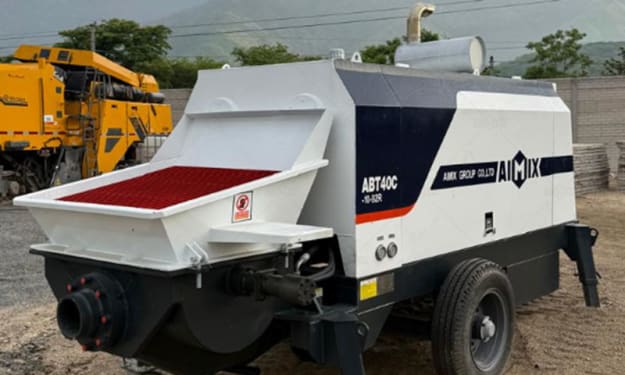
How to Count the Energy Cost of Trailer Concrete Pump in Different Weather Days
Trailer concrete pump has become an indispensable piece of equipment in modern construction projects, favored for its strong mobility, high conveying efficiency, and wide applicability. For construction enterprises and equipment operators, accurately counting the energy cost of trailer concrete pump is crucial for cost control and project profit management, and weather conditions are one of the key factors that significantly affect the energy consumption and thus the energy cost of the equipment. Different weather days (such as sunny days, rainy days, hot days, and cold days) bring varying challenges to the operation of trailer concrete pump, leading to differences in energy consumption. Below is a detailed guide on how to scientifically count the energy cost of trailer concrete pump in different weather days, helping relevant personnel grasp the cost law and optimize energy use, while clarifying the connection between energy consumption and the overall cost of concrete pump.
By Aimixmachine5 days ago in 01
What Labubu Blind Boxes Reveal About Modern Plush Collectibles
In recent years, the toy industry has undergone a noticeable transformation. Toys are no longer viewed solely as objects for children; many now function as collectibles shaped by design trends, cultural storytelling, and adult participation. Within this changing landscape, Labubu has emerged as a recognizable figure, illustrating how modern collectibles draw from traditional plush toy roots while adapting to contemporary consumer behavior, including themed releases such as the Labubu The Monsters Pin for Love Blind Box.
By charliesamuel5 days ago in 01
📢 Raise Your Voice Thread: 02/05/2026
Our “Raise Your Voice Threads” are hosted most alternating Thursdays at 12PM ET to offer creators more avenues to uncover exceptional stories on Vocal. As we are continuously searching for fresh creators and inspiring stories, this thread provides an opportunity to exchange and discuss the stories that have moved and motivated us on Vocal.
By Raise Your Voice by Vocal5 days ago in Resources



Comments
There are no comments for this story
Be the first to respond and start the conversation.