
Conservation Challenges Faced by Gir and Sariska National Parks
This article delves into the primary conservation issues faced by Gir and Sariska National Parks and explores how these challenges are being addressed.
Introduction
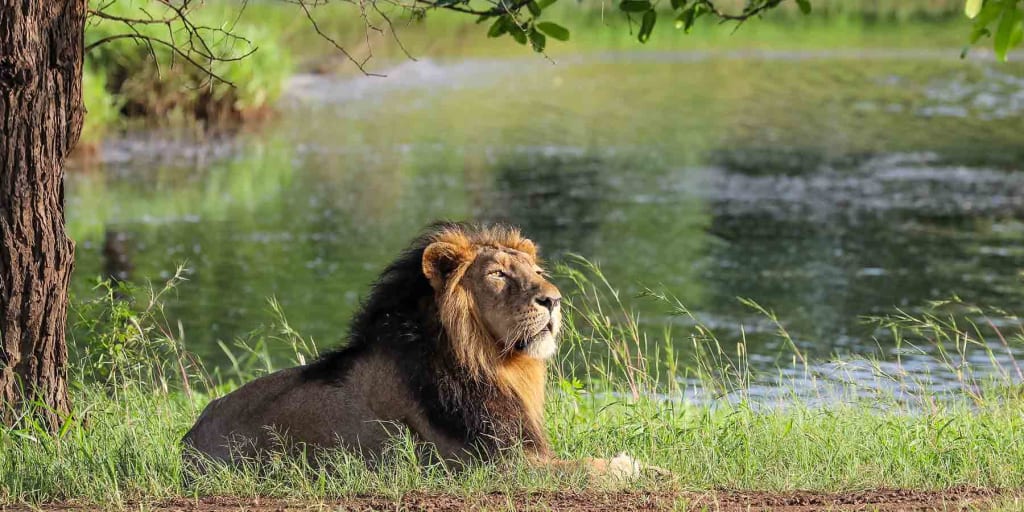
Gir National Park and Sariska National Park are two of India’s most significant wildlife sanctuaries, known for their unique ecosystems and critical conservation efforts. While both parks play a crucial role in preserving India's rich biodiversity, they face several conservation challenges that threaten their ecological balance.
Overview of Gir and Sariska National Parks
Gir National Park: A Sanctuary for Asiatic Lions
Gir National Park, located in Gujarat, is renowned for being the last refuge of the Asiatic lion. Spanning approximately 1,412 square kilometers, the park is home to a diverse range of flora and fauna. The conservation efforts in Gir focus on protecting the Asiatic lion population and maintaining the park's delicate ecosystems.
Sariska National Park: A Tiger Haven
Sariska National Park, situated in Rajasthan, is another crucial wildlife reserve, particularly for its population of Bengal tigers. Covering around 881 square kilometers, Sariska is known for its diverse habitats, including dry deciduous forests and grasslands. The park’s conservation programs are aimed at restoring tiger populations and managing its varied ecosystems.
Major Conservation Challenges at Gir National Park
1. Habitat Fragmentation
Habitat fragmentation is one of the most pressing challenges faced by Gir National Park. As human settlements and agricultural activities encroach upon the park's boundaries, the continuity of lion habitats is disrupted. This fragmentation can lead to reduced prey availability and increased human-wildlife conflict.
Addressing Habitat Fragmentation
Wildlife Corridors: Creating and maintaining wildlife corridors is essential for ensuring the lions have safe passage between different parts of their habitat.
Restoration Projects: Initiatives aimed at restoring degraded habitats within and around the park help in mitigating the effects of fragmentation.
2. Human-Wildlife Conflict
Human-wildlife conflict is a significant issue in Gir, particularly as the lion population increases and their habitat shrinks. Conflicts often arise when lions venture into nearby villages, leading to livestock depredation and retaliatory killings.
Mitigating Human-Wildlife Conflict
Community Engagement: Educating local communities about lion conservation and involving them in protection efforts can help reduce conflicts.
Compensation Schemes: Implementing compensation schemes for livestock losses due to lion attacks encourages coexistence between humans and wildlife.
3. Poaching and Illegal Wildlife Trade
Although poaching is less of a problem in Gir compared to other parks, the threat of illegal wildlife trade still exists. The demand for lion body parts, although not as prevalent as it is for tigers, poses a risk to the park’s lion population.
Combating Poaching
Anti-Poaching Patrols: Regular patrolling and surveillance help in deterring poachers and protecting the park’s wildlife.
Legal Measures: Strict enforcement of wildlife protection laws and penalties for illegal activities are crucial in curbing poaching.
Major Conservation Challenges at Sariska National Park
1. Tiger Population Decline
Sariska faced a dramatic decline in its tiger population in the early 2000s, largely due to poaching and habitat loss. Although tiger numbers have since been restored through intensive conservation efforts, the park still faces challenges in maintaining a stable population.
Supporting Tiger Population Recovery
Tiger Reintroduction: Reintroducing tigers into Sariska from other reserves has been a critical step in rebuilding the population.
Monitoring Programs: Ongoing monitoring of tiger health and movements ensures that conservation strategies are effective and that the population remains stable.
2. Habitat Degradation
Habitat degradation in Sariska is driven by factors such as deforestation, illegal grazing, and water scarcity. These issues impact the park's biodiversity and the availability of resources for its wildlife.
Addressing Habitat Degradation
Restoration Efforts: Initiatives to restore forests and manage water resources are essential for maintaining habitat quality.
Regulation of Grazing: Implementing regulations on grazing practices helps prevent overuse of resources within the park.
3. Encroachment and Development Pressure
The expanding human population around Sariska puts additional pressure on the park’s resources. Encroachment and development can lead to further habitat loss and increased human-wildlife conflict.
Managing Encroachment
Buffer Zones: Establishing and maintaining buffer zones around the park can help reduce the impact of encroachment.
Sustainable Development: Promoting sustainable development practices in surrounding areas can alleviate pressure on the park’s resources.
Conservation Strategies and Future Directions
Promoting Sustainable Tourism
Both Gir and Sariska National Parks benefit from tourism revenue, which supports conservation efforts. However, it’s essential that tourism activities are managed sustainably to minimize their impact on the parks’ ecosystems.
Booking for Sustainable Tourism
Gir Safari Booking: Making Gir safari booking helps in regulating visitor numbers and ensuring that tourism supports conservation goals.
Sariska Safari Booking: Similarly, Sariska safari booking allows for controlled access, helping to maintain the balance between tourism and conservation.
Strengthening Conservation Partnerships
Collaboration between government agencies, non-governmental organizations, and local communities is crucial for addressing conservation challenges. Strengthening these partnerships ensures that resources and expertise are effectively utilized.
Conclusion
Gir and Sariska National Parks face significant conservation challenges, from habitat fragmentation and human-wildlife conflict to poaching and habitat degradation. By understanding these issues and supporting conservation efforts through sustainable tourism and effective management strategies, we can contribute to the preservation of these vital ecosystems. Making Gir safari booking and Sariska safari booking not only enhances the visitor experience but also supports the ongoing conservation efforts that are crucial for the future of these remarkable parks.
About the Creator
How Much Does App Development Cost in Colorado?
You are probably staring at a napkin sketch thinking you’ve found the next big thing. Good for you. Truly. But I reckon your first real hurdle isn't the code. It is the cold, hard cash required for app development cost in Colorado.
By Sherry Walkerabout 23 hours ago in 01



Comments
There are no comments for this story
Be the first to respond and start the conversation.