
Common Water Damage Misconceptions: Debunking Myths and Misconceptions about Water Damage
Understanding the Truth About Water Damage and Its Impact

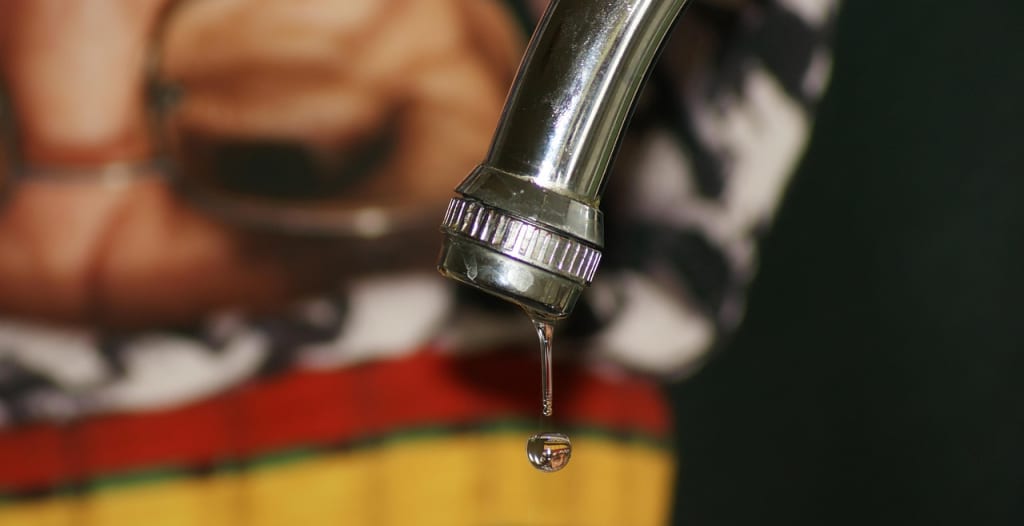
Water damage can happen at any time and for several reasons. Weather, outdated pipes, home improvement accidents, and even animal infestations can make your house vulnerable to anything from small leaks to a flood. Regardless of the cause, water in your home brings significant and costly damage. Once it’s infiltrated your house, water can weaken your home’s foundation, cause harmful mold, and even create electrical problems.
Unfortunately, many people are unaware of how much water can damage a house. There are many myths and misconceptions about how vulnerable homes are to water damage and how to prevent issues from happening. Let’s take a look at some of these misconceptions to help you understand how to keep your home safe.
Myth #1: Water Damage Originates Only in Leaky Pipes or Roofs
The fact is, water can enter your home in numerous ways. While plumbing and roofing vulnerabilities are some of the most common causes, they are not the only issues. Worn-out seals, burst pipes, and dripping faucets are the most frequent culprits, causing slow but extensive damage. Clogged gutters and downspouts, damaged shingles, and cracked flashing certainly pose a problem, allowing water to pool in your attic and ceiling.
Yet, there are other ways water can enter your home. Cracks in the foundation and poor yard drainage can cause water to seep into your foundation and basement. Appliances like dishwashers and washing machines can leak, filling the areas around them with water. HVAC systems can also produce moisture that may lead to hidden water damage beneath the system or between it and your walls.
Myth #2: Water Damage Starts When You See a Leak or Standing Water
Unfortunately, in many cases, visible water is the last water damage signal. Early signs include peeling paint and warped walls or flooring. Often, water gets in between walls, under floors, or beneath appliances and furniture. Musty smells also indicate that moisture has built up somewhere in your home. Finally, a spike in your water bill is a telltale signal of unexpected leakage.
Myth #3: Water Damage Stops Once You Plug a Leak
If only plugging a leak was the end of your water damage worries. Sadly, stopping a leak is the easiest part of water damage remediation. Once a leak is patched, you need to check the surrounding area of the roof, plumbing line, or other area where the leak originated. There may be more damage, or potential for more damage, near the leak’s location.
Once water has entered your home, other possible issues follow. Water damage to walls and floors can weaken your home’s structural integrity. Mold and mildew often follow water damage, and the extent depends on how long the water was in your home undetected. Lastly, water is hazardous to electrical systems, meaning it can cause damage to electrical lines or even create shorts or fires. Be sure to inspect areas where water and electrical lines may cross to keep any possible issues under control.
Myth #4: Water Damage Isn’t Preventable
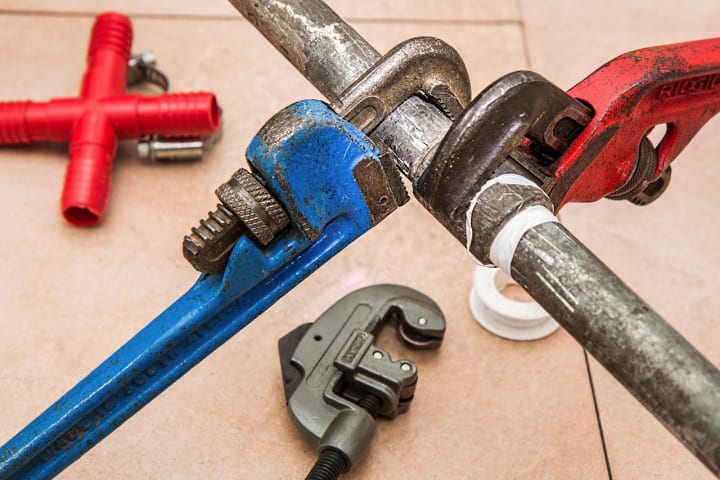
While you can’t be certain you’ll never have any water damage, there are many ways to reduce your risk. Start by waterproofing vulnerable areas like your basement. Basement waterproofing protects your foundation from further water damage and makes it easier to clean up any issues. Foundation sealants are another great way to keep water out of your home. Spend time patching up cracks in your home’s foundation to ensure water doesn’t easily seep in. You can also improve your lawn’s drainage system, ensuring water is flowing away from your home and not pooling near your house. Other tips include:
- Get a moisture meter to detect moisture levels in hidden areas like walls and floors
- Regularly check common areas like under sinks, behind and under appliances, and near water heaters and condensate pumps.
- Maintain proper seals around sinks, tubs, and showers to prevent water from seeping under floors or between walls.
Myth #5: Water Damage Prevention is Too Costly and Time Consuming
While some water damage prevention methods require a cost, it isn’t anything more than the regular maintenance needed for a well-functioning home. Basement and attic waterproofing have initial upfront costs, but will save you in the long run. Similarly, installing a basement sump pump has a one-time fee, but it can eliminate the devastation of water damage, destroying your possessions and affecting your home’s foundation. Some common maintenance that can help prevent water damage includes:
- Plumbing: Frequently checking for leaks in exposed piping and watching for signs of rust or decay.
- Water Heaters: Sediment buildup can strain the tank and cause cracks. Drain and flush your heater annually to prevent issues.
- Roof: Have a professional inspect shingles, flashing, and gutters. Replace roofing elements as needed and keep your gutters clean.
- Appliances: Inspect washing machines, dishwashers, refrigerators, and other appliances that could leak, paying special attention to hoses and line connections that can degrade over time.
- HVAC System: Clean out condensate lines and update hoses and pumps as you see signs of wear and tear.
Myth #6: Water Damage Isn’t Covered by Insurance
This myth is more complicated as it contains a kernel of truth. When water damage originates inside your home, it may be covered. However, if it originates outside your home, it likely will not. This means water damage from a burst pipe is covered, but damage from a leaky roof is not. This is why many people who live in flood-prone areas get additional coverage that protects their homes from natural elements.
Another nuance is how a leak happened in your home. Burst pipes are usually covered, but small leaks that result from bad maintenance are not. You can see how insurance water damage coverage can get tricky. If you’re unclear about your coverage status, it’s best to call your insurance agent for more details.
Myth #7: Water Damage Won’t Happen to Me
All of the tips above are valuable and can greatly decrease the likelihood that you experience water damage in your home. However, no one is immune to the possibility. If you unfortunately incur water damage in your home, the first thing to do is call the professionals. While you may be able to stop a leak in your home, there are hidden problems that only water damage emergency services can handle.
Having a service on call is beneficial, so do your research now. Look for a company with the equipment and staff to respond fast, no matter the time of day or year. You’ll also want someone who can manage any amount of damage - you never know how deep water damage issues go with hidden mold and odor. Finally, the most important thing to look for is a company that is licensed and accredited. A “friend or a friend” or “I know a guy” won’t cut it for these unpredictable issues.
Once you have a company you trust on hand, no myth can scare you, as you’ll know your home is protected and safe.
About the Creator
William Powell
William Powell is a writer and educator with a passion for marketing. He enjoys learning about the latest business trends and analyzing how global events impact domestic and international economies.
Keep reading
More stories from William Powell and writers in 01 and other communities.
How to Choose the Best Mobile App Development Company in Canada 2026
Choosing the right app development partner in 2026 isn’t just a procurement decision—it’s a strategic move that can define whether your digital product scales or stalls. The Canadian tech ecosystem has matured rapidly, with agencies offering everything from rapid MVP builds to enterprise-grade platforms powered by AI and cloud-native architectures.
By alan michael4 days ago in 01


Comments
There are no comments for this story
Be the first to respond and start the conversation.