
Choosing the Right Fastener for the Right Material: A Builder’s Quick Guide
Secure materials properly every time

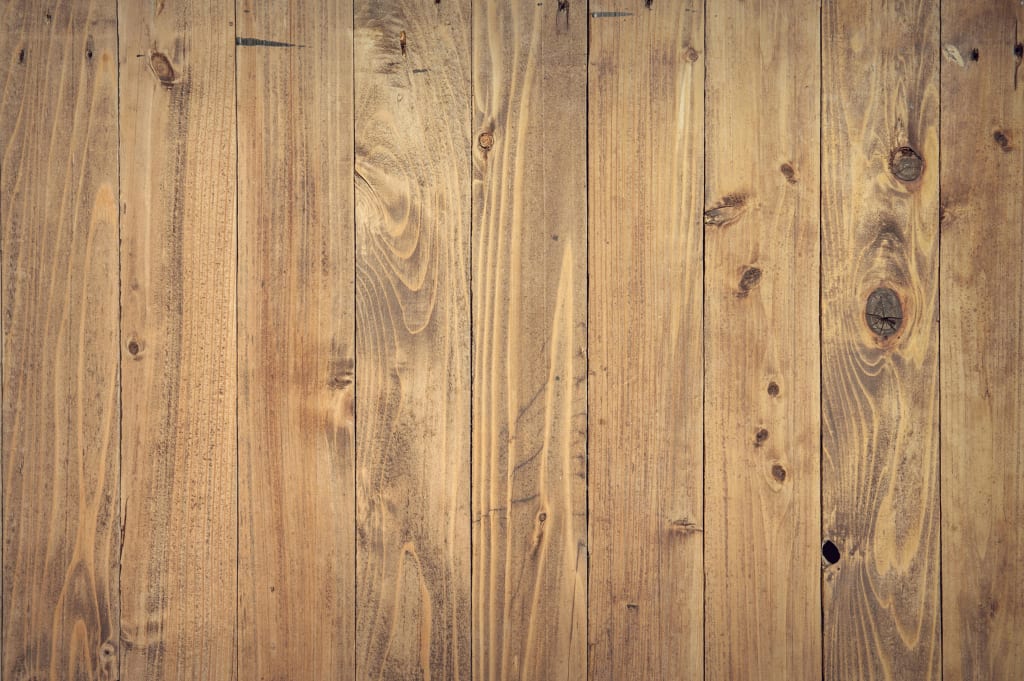
Whether you’re framing a wall, hanging a bracket, or building a deck, your fastener needs to suit the material it’s going into. No guesswork here. A wood screw can work well fastening pine. Try it on MDF? It’s likely to split.
Unfortunately, builders often overlook the pivotal step of choosing the right fastener for the material they’re using. However, getting this step right is critical for durable and safe construction and renovation results. This handy guide will walk you through what to use for each of the most common building materials.
Fasteners for Wood
From house frames to cabinets and fences, wood is one of the most commonly used building materials. Different woods can look similar. However, they don’t all behave the same under pressure. Whether working with soft pine, dense oak, or engineered plywood, choosing the correct fastener ensures a firm grip and prevents splitting.
Working with wood? Here’s what fasteners to use:
- Hardwoods: Finer-thread wood screws are best for oak, maple, walnut, and other hardwoods.
- Softwoods: Fastening cedar, fir, or pine? Opt for coarse-thread wood screws from fastener suppliers, which have wide spacing between threads for a firm hold.
- Engineered Woods: Self-tapping screws work best when fastening particleboard. Working with plywood? Look for wood fasteners with full shank support.
What about exterior projects? Corrosion resistance is key. Stainless steel fasteners are best for decks and fences, especially in damp climates.
Fasteners for Metal
Another commonly used building material is metal. Like wood, metal exists in many types. From smaller projects, such as staircases, to sprawling bridges, metal is everywhere. Choosing the right fastener helps you avoid the headaches of shearing and stripping your fasteners. Thickness, load requirements, and material thickness are vital to know.
If you’re working with thinner metals like sheet metal, self-tapping screws are your best bet. They act like little knives, cutting their own threads as they drive in. Sharp and efficient. For thicker steel—like aluminum framing—use self-drilling screws, often called Tek screws. These fasteners have built-in drill-point tips, so there’s no need for pilot holes. One step. No fuss. Just a clean, strong connection ready to hold under pressure.
If you’re fastening dissimilar metals, such as using steel fasteners in aluminum, use stainless steel or coated fasteners. By doing so, you can avoid galvanic corrosion, which can happen when working with two different metal types.
What about when structural loads are involved? In these situations, using nuts and bolts is advisable instead of using screws. A hex bolt paired with a lock washer is a great way to secure a tight and firm connection that is resistant to vibration-related loosening.
Fasteners for Plaster and Drywall
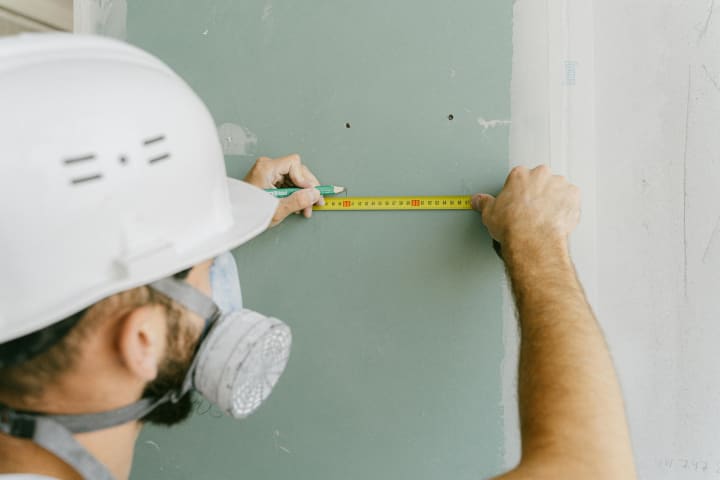
As the name implies, drywall is commonly used to form interior walls. Builders also use drywall or plaster to construct or renovate ceilings and soffits. This material is often chosen for its affordability. It’s also easy to install.
While plaster and drywall are generally easy to fasten, using the wrong fasteners can increase the risk of these materials crumbling under loads.
Use these fasteners when working with drywall or plaster:
- Standard Drywall: It’s best to use coarse-thread drywall screws as you fasten drywall or plaster to studs. These screws shouldn’t tear into the drywall's paper face.
- Hollow Wall Applications: When there is no stud to work with, molly bolts, toggle bolts, and plastic expansion anchors are effective for hanging reasonably lightweight items, such as shelves and mirrors.
- Plaster Walls: This material is brittle. Because of that, use screw-in anchors or pre-drill and set expansion anchors to avoid cracking.
For overhead installs, such as ceiling fans or light fixtures, always choose fasteners designed to handle vertical loads. It’s not worth the risk. Fasteners not rated for overhead use can fail — and when they do, the result could be a dangerous fall.
Pro Tip: Pay close attention to the weight of what you mount. Drywall anchors have weight ratings for this purpose, ensuring you know the strength of these materials.
Fasteners for Masonry: Concrete, Brick, and Block
Standard fasteners are unlikely to pierce brick and concrete. Not every nail or screw can hold up. Masonry work requires specialized fasteners and tools to complete the job.
Here’s what to use:
- Sleeve Anchors: These expand as they lock into place, gripping mortar joints like a vice. Great for securing into softer masonry. Strong. Reliable.
- Concrete Screws: Best for medium-duty work — light framing, conduit, and similar jobs. Drill first with a masonry bit. Clean results.
- Wedge Anchors: Built for serious weight. Ideal for anchoring into solid concrete slabs or handling structural loads. Tough as nails.
When working with exterior masonry, consider using fasteners that are resistant to freeze-thaw cycles and corrosion. Many builders choose stainless steel fasteners for such conditions. Also, always check whether you’re anchoring into hollow or solid masonry. Each option requires a different anchor type.
Special Cases: Multi-Material Connections
Sometimes, fasteners need to bind to more than one type of material. An example would be attaching wood framing to a concrete foundation or securing metal brackets to drywall. In situations like these, use hybrid fastening methods. An example is using Tapcon screws for concrete paired with washers and brackets for wood-to-concrete installations.
Build and Fasten Confidently
To some, fasteners might feel like an afterthought — until a shelf gives way, a fence post sways like a tree in a storm, or a mirror shatters on the floor. That’s when the wrong choice hits hard. Pairing screws, bolts, and anchors with the right material is just as crucial as picking the correct size. Use this guide to build smarter. And to make sure your projects stand the test of time.
About the Creator
William Powell
William Powell is a writer and educator with a passion for marketing. He enjoys learning about the latest business trends and analyzing how global events impact domestic and international economies.
Keep reading
More stories from William Powell and writers in 01 and other communities.
How to Choose the Right Housekeeping Cart For Your Business
While there are numerous types of organizations across the country, they all have one thing in common: They must be kept clean. Every business must keep its restrooms, desks, floors, and other areas tidy and hygienic. These needs are usually handled using a housekeeping cart to help staff keep their supplies at hand. However, while all businesses need housekeeping carts, not all organizations have the same cleaning needs.
By William Powell8 months ago in 01




Comments
There are no comments for this story
Be the first to respond and start the conversation.