
Character AI Chatbots in Mental Health SupportEthical Considerations in AI Mental Health Support
Character AI


The integration of AI chatbots in mental health support raises significant ethical questions that must be addressed. One primary concern is the ability of these technologies to accurately assess and respond to the emotional or psychological needs of users. While AI can analyze data and provide responses based on algorithms, the lack of human intuition and empathy is a crucial gap. This raises apprehensions regarding the potential for misdiagnosis and inadequate support for those dealing with complex mental health issues.
Furthermore, the use of AI in mental health care poses dilemmas surrounding user autonomy and informed consent. Individuals engaging with chatbots may assume a level of competence that isn't always guaranteed, leading to an over-reliance on these systems instead of seeking professional help. Ethical guidelines must be established to ensure that users understand the limitations of AI support. Transparency is vital in building trust and ensuring that mental health support through AI aligns with best practices for care and safety.
Privacy and Data Security Challenges
The integration of character AI chatbots into mental health support raises critical concerns about privacy and data security. Users often share sensitive information during interactions, making it imperative for developers to implement robust security measures. Data breaches can lead to significant consequences for individuals, jeopardizing their mental well-being and trust in digital therapeutic solutions. Many users express anxiety about how their information is stored, accessed, and utilized, particularly in light of increasing cyber threats.
Regulatory compliance also presents a challenge for developers in this field. Adhering to laws such as HIPAA and GDPR requires thorough understanding and implementation of protocols to protect personal health information. Organizations must navigate the complexities of these regulations while ensuring that their AI systems remain user-friendly. Balancing security measures with an accessible user experience can be daunting, yet it is crucial for fostering user trust and ensuring that chatbots serve their intended purpose effectively.
Case Studies of Successful Implementations
In various healthcare settings, character AI chatbots have demonstrated their potential as effective tools for mental health support. One notable implementation occurred in a community health center, where an AI chatbot served as an initial point of contact for individuals seeking therapeutic resources. Through interactive sessions, the chatbot assessed users' needs and provided tailored recommendations for therapists or support groups. Feedback indicated an increase in engagement, as individuals felt more comfortable discussing their feelings with an AI before connecting with human professionals.
Another successful case involved a university's mental health program that introduced an AI chatbot designed to assist students experiencing stress and anxiety. The chatbot offered coping strategies and mindfulness exercises during peak exam periods. The program noted a significant rise in students reaching out for help through the chatbot, with many expressing appreciation for the anonymity and accessibility of the service. The initiative not only supplemented traditional counseling options but also contributed to a broader conversation around mental health on campus.
Real-World Applications in Mental Health
Character AI chatbots have found significant applications in various settings for mental health support. Many organizations have integrated these digital assistants into their services, providing users with immediate access to resources. These chatbots can assist with common issues like anxiety, stress management, and depression, offering coping strategies and psychoeducation. Their availability outside traditional office hours makes them valuable companions for individuals seeking support at their convenience.
In educational institutions, AI-driven chatbots play a pivotal role in student wellness programs. They can facilitate early intervention by identifying students who may be struggling emotionally or psychologically. By conducting preliminary assessments through conversational interactions, these chatbots can guide students toward appropriate resources, thus enhancing overall mental health support within the academic environment. Through these implementations, the potential of character AI chatbots to complement traditional mental health services becomes increasingly evident.
User Experiences with Character AI Chatbots
User interactions with character AI chatbots often reveal a mix of curiosity and skepticism. Many individuals enjoy the anonymity and accessibility provided by these digital companions. Users appreciate the ability to engage in conversations without the fear of judgment. This can encourage them to express thoughts and feelings they might not discuss in traditional settings. Some report that these chatbots offer a comforting presence during times of loneliness or distress. The immediate availability of support can prove invaluable, especially in moments when conventional resources are not accessible.
Feedback from users tends to highlight the personalization aspect of these chatbots. Many appreciate the tailored responses that aim to mirror their emotional state or preferences. This responsiveness can create an illusion of empathy, making users feel understood. However, some express concerns about the limitations of AI in addressing complex emotional issues. Despite the initial positive impressions, certain users remain cautious about relying solely on these chatbots for mental health guidance. Balancing the benefits of immediate support with the nuances of human interaction remains a central theme in discussions surrounding these AI applications.
Testimonials and Feedback
Users have reported mixed feelings about their experiences with character AI chatbots in mental health support. For some, these chatbots provide a sense of companionship during times of loneliness. The ability to converse at any hour offers comfort, particularly for those hesitant to seek human assistance. Anecdotal evidence suggests that individuals appreciate the non-judgmental space that chatbots create, allowing them to discuss their feelings openly.
Conversely, others express concerns about the limitations of AI in understanding complex human emotions. Some users feel that the responses lack empathy or depth, which can detract from the overall support experience. Feedback highlights the importance of integrating these tools alongside traditional therapy rather than replacing human interaction. Many participants acknowledge that while chatbots serve a helpful purpose, they are not a one-size-fits-all solution for mental health challenges.
Future Trends in AI and Mental Health
Emerging technologies are poised to revolutionize the landscape of mental health support. As AI algorithms advance, chatbots will increasingly personalize interactions based on users' emotional states and preferences. Machine learning and natural language processing will allow these systems to understand context better, improving the quality of support provided. Integration with wearable devices may create opportunities for real-time monitoring, leading to proactive interventions when users display signs of distress.
Additionally, the integration of AI with telehealth services will provide new avenues for mental health care. Virtual reality experiences combined with AI chatbots could facilitate immersive therapeutic scenarios, helping individuals confront anxieties in a controlled environment. These innovations could expand access to mental health resources, particularly in underserved communities. The continuous development in this field underscores the potential for AI to enhance the overall efficacy of mental health interventions.
Innovations on the Horizon
Advancements in machine learning and natural language processing are paving the way for more sophisticated chatbots. These innovations allow for more nuanced conversations, enhancing the ability of AI to understand context and emotional subtleties. With improved algorithms, chatbots can tailor responses based on individual user needs, offering a more personalized interaction. This level of responsiveness can lead to better user engagement and increased effectiveness in therapeutic settings.
Integrating AI with other technologies, such as wearable devices, is also on the horizon. These devices can provide real-time data on a user’s physical and emotional state, allowing chatbots to adapt their responses accordingly. For instance, if a wearable indicates signs of stress, the chatbot could shift its approach to offer calming strategies. Such integration could create a holistic support system, merging insights from physical health and mental well-being into AI interactions.
FAQS What are Character AI chatbots?
Character AI chatbots are artificial intelligence programs designed to simulate conversation and provide support in various contexts, including mental health. They use natural language processing to communicate with users and can offer resources, information, and coping strategies.
How do Character AI chatbots ensure user privacy?
Character AI chatbots implement various privacy measures, such as encrypting user data, anonymizing conversations, and adhering to regulations like HIPAA to protect sensitive health information. However, users should always review the privacy policy of any chatbot they interact with.
Can Character AI chatbots replace human therapists?
While Character AI chatbots can provide valuable support and resources, they are not meant to replace human therapists. They can serve as supplementary tools for mental health support, but complex emotional issues and crises should always be addressed by qualified professionals.
What are some successful examples of Character AI chatbots in mental health?
Successful implementations of Character AI chatbots in mental health include platforms like Woebot and Wysa, which have demonstrated effectiveness in providing cognitive behavioral therapy techniques and emotional support to users through conversational interactions.
How do users typically feel about interacting with Character AI chatbots?
User experiences with Character AI chatbots vary, but many individuals report feeling comfortable and appreciated the non-judgmental nature of the chatbots. Testimonials often highlight the accessibility and convenience of receiving support at any time.
About the Creator
Keep reading
More stories from Malik Arshad and writers in 01 and other communities.
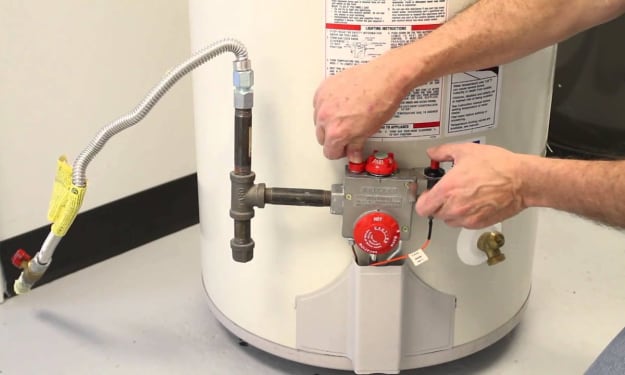
Repairing Your Water Heater: A Step-by-Step Guide to Restoring Hot Water
A water heater is an essential appliance in every home, providing hot water for showers, washing dishes, and other daily activities. When your water heater stops working, it can disrupt your routine and lead to costly replacements if not addressed promptly. Fortunately, many common water heater problems can be repaired without needing a full replacement. This guide will walk you through the most common issues and how to address them.
By Malik Arshadabout a year ago in 01
Japan Smart Doorbell Market Size and Forecast 2025–2033
Market Snapshot The Japan Smart Doorbell Market is expected to reach US$ 736.05 million by 2033, up from US$ 212.53 million in 2024, expanding at a robust CAGR of 14.8% from 2025 to 2033. Rapid urbanization, increasing adoption of smart home technologies, and rising demand for home security systems are driving market growth. Advancements in AI, video analytics, and wireless connectivity are further strengthening consumer demand for smart doorbell systems.
By jaiklin Fanandish6 days ago in 01



Comments (1)
Hello, just wanna let you know that we have to choose the "AI-Generated" tag before publishing when we publish AI-Generated content 😊