
CFPB’s Shocking Move
Lawsuit Against Big Banks Over Zelle Fraud Gets Dropped

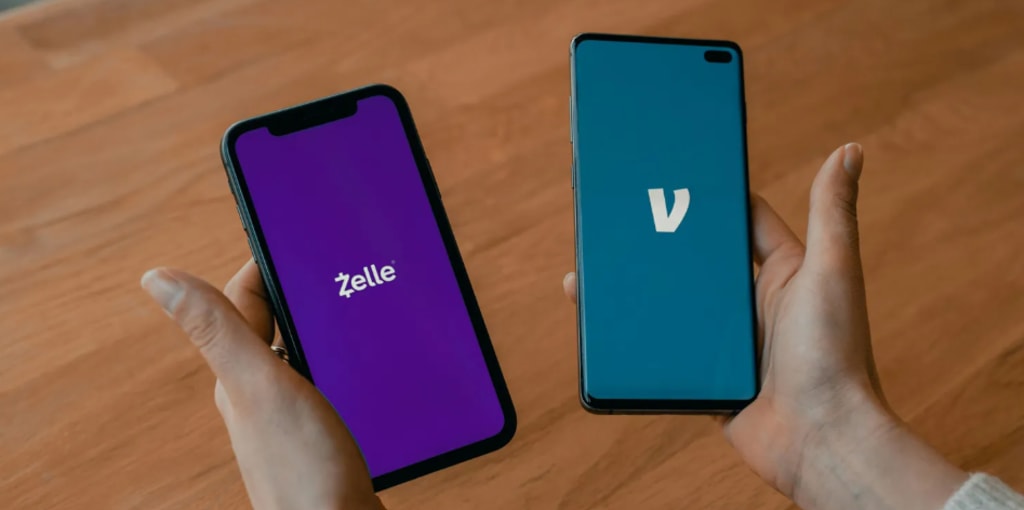
The Consumer Financial Protection Bureau (CFPB) has made a surprising move by dropping its lawsuit against major banks, including JPMorgan Chase, Bank of America, and Wells Fargo, over Zelle fraud. This decision has raised a lot of questions about the future of consumer protection and fraud prevention, especially when it comes to peer-to-peer payment systems like Zelle. In this article, we’ll break down the details, what it means for consumers, and how this move could shape the future of digital payments.
What is Zelle Fraud?
Zelle, a popular peer-to-peer payment service, allows users to send money directly from their bank accounts to another person’s account in real-time. It’s convenient, fast, and has become a staple for many who need to transfer money quickly. However, this ease of use has come with a dark side—fraud. Zelle fraud occurs when criminals trick users into sending money, often by impersonating trusted individuals or creating fake emergency scenarios. Since Zelle transactions are instant and irreversible, once the money is sent, it’s almost impossible to recover.
The Role of the CFPB
The Consumer Financial Protection Bureau (CFPB) was established after the 2008 financial crisis to protect consumers from unfair, deceptive, or abusive practices by financial institutions. The CFPB has the authority to enforce consumer protection laws and regulate financial services, making it a key player in overseeing how financial institutions handle issues like fraud.
Why the Lawsuit Was Filed in the First Place
The CFPB filed the lawsuit after consumers experienced widespread fraud using Zelle, and there was concern that major banks were not doing enough to prevent these scams. Consumers reported being duped by scammers, often losing substantial amounts of money. The CFPB argued that the banks had a responsibility to safeguard their customers and ensure better fraud protection measures for Zelle users.
The Big Banks Involved
The lawsuit targeted three of the largest banks in the U.S.: JPMorgan Chase, Bank of America, and Wells Fargo. These banks are among the most used for Zelle transactions, making them central to the debate over fraud protection. Critics of the lawsuit argued that the banks should have done more to prevent fraud on Zelle, while others pointed out that the peer-to-peer payment system itself might be part of the problem.
What Does Dropping the Lawsuit Mean?
So, why did the CFPB drop the lawsuit? The move has left many wondering whether the banks are getting away with negligence or whether there were legal obstacles that made the lawsuit untenable. By dropping the case, the CFPB essentially acknowledged that they were unable to prove that the banks were liable for the fraud. This decision does not necessarily mean that banks are off the hook, but it certainly reduces the immediate pressure on them.
How Did Consumers React?
Consumers have had mixed reactions to the CFPB’s decision. Many believe that the banks should have been held accountable for not doing enough to protect their customers, especially given the increasing number of fraud cases. On the other hand, some argue that Zelle is a tool that, like any other payment method, comes with inherent risks, and that it’s up to consumers to be cautious when using the service.
The Argument Against the Banks
One of the main arguments for filing the lawsuit was that banks have a duty to protect their customers from fraud, especially when the payment system they provide is so prone to abuse. The CFPB claimed that these banks failed to implement sufficient safeguards to prevent fraud on Zelle, leaving consumers vulnerable to scams. Critics believed that by not taking stronger action, the banks were complicit in allowing fraudulent activities to continue.
What Was the CFPB’s Position?
Initially, the CFPB took a strong position against the banks, arguing that they had not taken appropriate steps to safeguard their customers. The agency believed that these banks had the power to improve security measures for Zelle, but their failure to do so had contributed to widespread fraud. However, by dropping the lawsuit, the CFPB seems to have conceded that they couldn’t secure enough evidence to hold the banks accountable.
Possible Impact on Zelle Users
For everyday Zelle users, this development might feel like a setback in the fight against fraud. With no clear legal resolution, users may feel that the platform is still a risky way to transfer money. However, it also puts pressure on Zelle and banks to step up their fraud prevention efforts independently, without relying on the CFPB to enforce stricter rules.
Will Zelle Improve Fraud Prevention?
Despite the CFPB’s decision, it’s highly likely that Zelle and the banks involved will work on improving fraud prevention measures. Zelle has already taken steps to raise awareness about scams, such as warning messages for users when they make certain types of transfers. However, these measures have not been enough to stop fraud entirely. In the future, Zelle may need to incorporate more advanced technologies like multi-factor authentication or fraud detection algorithms to make its service safer for users.
The Future of Bank Accountability
While the CFPB may have dropped the lawsuit, the issue of bank accountability remains a hot topic. Consumers and regulators alike are likely to continue pushing for better protections in the digital payment space. The banks involved in the Zelle fraud lawsuit may still face pressure to improve security measures or even face further lawsuits from other parties.
Could Other Lawsuits Follow?
Even though the CFPB has dropped the case, other lawsuits could emerge from individual consumers or state regulators. As fraud continues to plague digital payment systems, there is a strong possibility that new legal challenges could arise, putting further pressure on Zelle and the banks involved to step up their fraud protection efforts.
Conclusion
The CFPB’s decision to drop the lawsuit against major banks over Zelle fraud has raised significant questions about the future of consumer protection in digital payments. While this move may have relieved the banks for now, it places even more responsibility on them to take action and safeguard their customers from fraud. As users, it’s essential to stay vigilant when using peer-to-peer payment services and push for better fraud prevention from the platforms we trust.
FAQs
1. Why did the CFPB drop the lawsuit against the banks? The CFPB dropped the lawsuit after failing to gather sufficient evidence to hold the banks accountable for Zelle fraud.
2. Does this mean banks are no longer responsible for Zelle fraud? Not necessarily. While the lawsuit was dropped, banks are still expected to take measures to protect their customers from fraud.
3. What can Zelle users do to protect themselves from fraud? Users should be cautious when sending money and be wary of unsolicited requests. Enabling multi-factor authentication and staying informed about common scams can help.
4. Will Zelle improve its security measures in the future? Zelle is likely to continue enhancing its fraud prevention methods, but users should still exercise caution when making transactions.
5. Could other regulatory bodies take action against the banks for Zelle fraud? Yes, other lawsuits or regulatory actions could be brought forward in the future as fraud continues to be a major issue with digital payments.
About the Creator
Apleetech
Apleetech is a Professional Technology Platform. Here we will provide you only interesting content, which you will like very much. We're dedicated to providing you with the best of Technology, with a focus on dependability and Tech.
iPhone Fold 2026
iPhone Fold 2026 Yes, rumors strongly suggest Apple's first foldable iPhone, the iPhone Fold, is expected to launch in late 2026, potentially alongside the iPhone 18 series, featuring a book style design with a smaller cover screen that unfolds to a larger internal display, though some reports hint at potential delays into 2027 due to manufacturing complexities.
By Farooq Hashmi2 days ago in 01



Comments
There are no comments for this story
Be the first to respond and start the conversation.