
Can We Trust What We See?
How Technology is Rewriting Reality

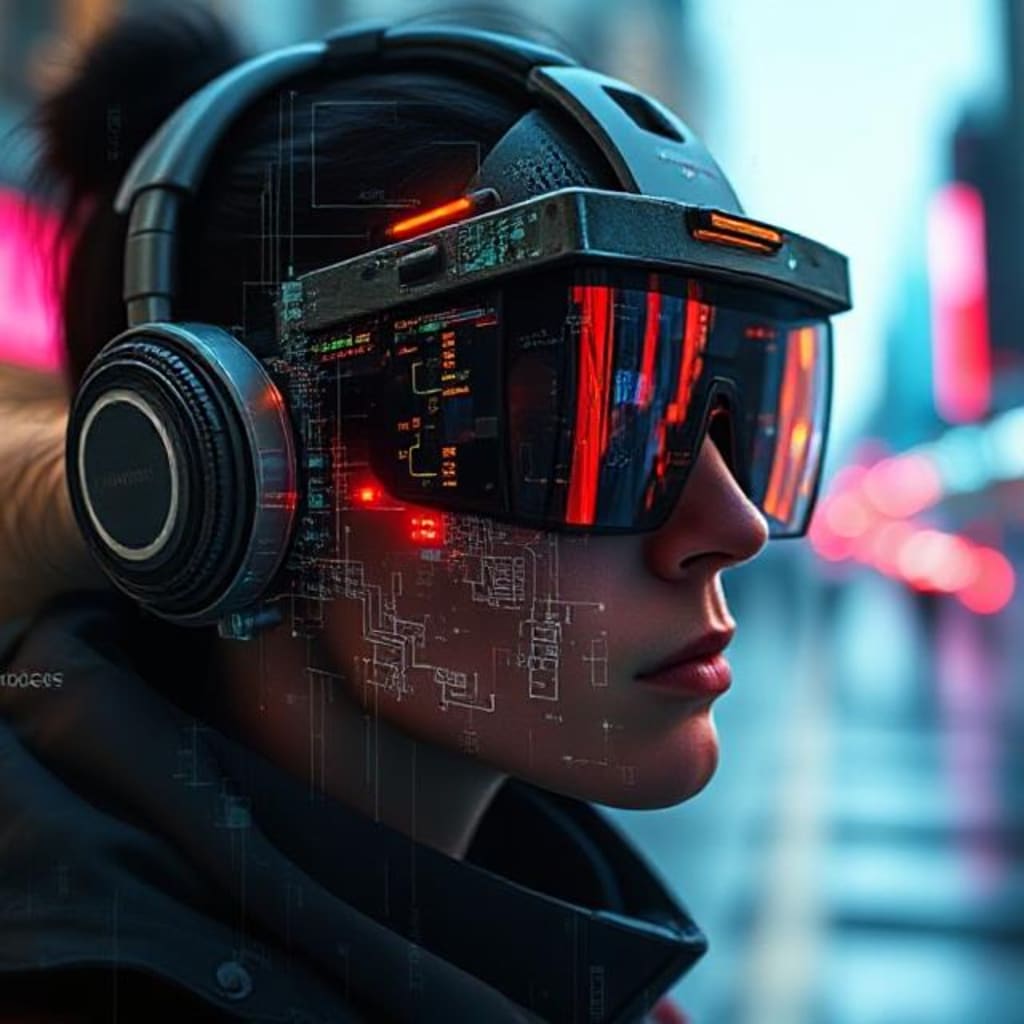
The world has entered an era where seeing is no longer believing. With the rise of AI-generated media, deepfakes, and misinformation, technology is actively reshaping our perception of reality. Every day, we are bombarded with manipulated images, misleading headlines, and videos that look shockingly real but are entirely fabricated. Can we truly trust what we see anymore? Let’s explore how technology is rewriting reality and what it means for society.
The Digital Age and the Manipulation of Reality
The Rise of Misinformation and Fake News
The internet was supposed to democratize information, but instead, it has become a breeding ground for misinformation. Fake news spreads like wildfire, often outpacing the truth. With AI-generated content becoming more sophisticated, distinguishing fact from fiction is becoming increasingly difficult.
Social Media's Role in Distorting Truth
Social media platforms amplify misinformation by rewarding engagement over accuracy. Viral content spreads without verification, making it easy for false narratives to gain traction. Whether it’s politically charged disinformation or celebrity hoaxes, social media is a key player in rewriting reality.
The Influence of Algorithms on What We Believe
Ever notice how your social media feed seems to reflect your existing beliefs? That’s no coincidence—algorithms tailor content to reinforce what you already think, creating echo chambers where alternative viewpoints are rarely seen. This further blurs the line between reality and manipulated truth.
Deepfakes and AI-Generated Content
How AI is Creating Hyper-Realistic Fake Media
AI can now generate videos where people appear to say things they never did. These deepfakes are so convincing that even experts struggle to identify them. With just a few clicks, anyone can create a seemingly real but entirely fake video.
The Threat of Deepfake Technology in Politics and Society
Imagine a world where politicians are caught in scandals that never happened or historical events are rewritten with fabricated footage. Deepfake technology poses a serious threat to democracy, legal systems, and public trust.
Can AI Be Used to Detect and Prevent Deepfakes?
Ironically, the same AI that creates deepfakes can also be used to detect them. Companies are developing tools that analyze digital fingerprints to identify manipulated content. However, as detection improves, so does the ability to evade it, creating a never-ending battle.
Virtual and Augmented Reality: A New Layer of Deception
How AR and VR Are Changing Perception
Virtual and augmented reality blur the line between the digital and physical worlds. While these technologies offer incredible experiences, they also open doors for deception. Fake environments, manipulated visuals, and digital overlays can make us question what’s real.
The Ethical Dilemmas of a Fully Digital World
As VR and AR become more immersive, ethical concerns arise. How do we regulate content in digital spaces? What happens when people can create entire realities that feel more compelling than the truth? These are questions society must address.
The Psychology of Digital Deception
Why Do People Believe What They See Online?
Humans are naturally inclined to trust visual information. Our brains process images faster than text, making us susceptible to visual deception. The more convincing the fake, the more likely we are to believe it.
Cognitive Biases and the Spread of Misinformation
Misinformation thrives because it plays on cognitive biases. People tend to believe information that aligns with their preexisting beliefs, even if it's false. This psychological tendency makes combating misinformation even more challenging.
The Role of Confirmation Bias in the Digital Age
Confirmation bias is the tendency to seek out information that supports our views while ignoring conflicting evidence. In the digital age, this bias is amplified by algorithms that serve us content tailored to our preferences, making it even harder to separate truth from fiction.
Combating Digital Deception: Steps Toward a Trustworthy Future
How Fact-Checking Organizations Are Fighting Back
Fact-checking groups like Snopes and PolitiFact work tirelessly to debunk false claims. However, their efforts are often overshadowed by the speed at which misinformation spreads. More robust verification tools and widespread digital literacy are needed.
The Importance of Media Literacy in the 21st Century
Education is key to fighting misinformation. Teaching people how to critically analyze sources, cross-check facts, and recognize digital manipulation can help society navigate an era where truth is constantly under attack.
Can Technology Be Used to Restore Trust?
While technology is part of the problem, it can also be part of the solution. Blockchain technology, for instance, offers a way to verify the authenticity of digital content. AI-powered content verification tools could also help restore trust in media.
Conclusion
In a world where technology is rewriting reality, trusting what we see has become a challenge. From deepfakes to algorithm-driven misinformation, the digital landscape is filled with deception. However, by staying informed, developing critical thinking skills, and leveraging technology for verification, we can navigate this new reality with greater confidence.
FAQs
1. What are deepfakes, and why are they dangerous?
Deepfakes are AI-generated videos that manipulate real footage to create fake yet highly realistic content. They pose a threat to truth, politics, and even personal security.
2. How can I tell if an image or video is fake?
Look for inconsistencies in lighting, unnatural facial movements, and metadata analysis. Fact-checking tools and reverse image searches can also help verify authenticity.
3. Why do people fall for fake news so easily?
Cognitive biases, emotional responses, and algorithm-driven echo chambers make people more likely to believe misinformation that aligns with their views.
4. Can technology help fight misinformation?
Yes, AI-based detection tools, blockchain verification, and increased media literacy can all help counter the spread of misinformation.
5. How can we protect ourselves from digital deception?
Stay skeptical, cross-check sources, use fact-checking websites, and be aware of how social media algorithms influence the content you see.
About the Creator
Apleetech
Apleetech is a Professional Technology Platform. Here we will provide you only interesting content, which you will like very much. We're dedicated to providing you with the best of Technology, with a focus on dependability and Tech.
How to Recover Your Instagram Password: Ethical Methods and Security Guide
Losing access to your Instagram account is frustrating. Whether you've forgotten your password or suspect unauthorized access, this guide provides the most effective recovery methods currently available. We'll explore legitimate recovery options, review password security tools, and offer essential protection strategies. Important note: This article covers password recovery for your own account only. Unauthorized access to others' accounts violates Instagram's terms and may be illegal.
By Alexander Hoffmann3 days ago in 01
Getting Serious About Comedy (Part I)
If I were asked to remark on my life and the childhood that paved some road leading me to this point, I would have to say something about all the funny people who surrounded me for the last 26,872 days (and counting). Somewhere along that road, I became a big fan of laughter and the comedy that spawns it – and, I mean not only my own laughter, but the laughter of others, some of which I have actually been responsible for inducing.
By John Oliver Smith7 days ago in Humor


Comments (1)
I don’t trust anything! Great work!