
Bringing Your Brand to Life: The Power of Motion Graphics in Marketing and Advertising
graphic design, motion graphics

Definition of motion graphics:
Motion graphics is a digital animation technique that combines graphic design principles with animation techniques to create dynamic and engaging visuals. It involves the use of typography, illustrations, photography, and other design elements, which are animated to create a seamless moving image. These animated graphics are often used in marketing and advertising to communicate a message, tell a story, or create an emotional response. Motion graphics can be created using various software such as Adobe After Effects, Adobe Premiere Pro, Cinema 4D, etc. It can be used in various forms of media, including video, television, websites, and social media platforms.
The benefits of using motion graphics:
There are several benefits of using motion graphics in marketing and advertising, including:
- Enhancing brand storytelling: Motion graphics can be used to create a narrative and bring a brand's story to life. It allows brands to convey complex ideas or abstract concepts in an engaging and visually compelling way.
- Improving audience engagement: Motion graphics can capture and hold the attention of the audience better than static images. It can be used to create an interactive experience for the viewer, which can increase engagement and the likelihood of the message being remembered.
- Increasing brand recall: Motion graphics can make a brand more memorable by creating an emotional connection with the viewer. The use of animation and sound can create a more lasting impression than static images.
- Creating emotional connections: Motion graphics can be used to create an emotional response in the viewer. It can be used to evoke feelings of happiness, excitement, or nostalgia, which can lead to a stronger connection with the brand.
- Cost-effective: Motion graphics can be more cost-effective than traditional animation. It can be created using digital software, which is often more affordable than traditional animation methods.
- Versatility: Motion graphics can be used in a variety of contexts, including video, television, websites, and social media platforms. They are easily adaptable to different platforms and devices.
- Flexibility: Motion graphics can be easily edited and updated, which allows for quick changes and adjustments to be made.
Using motion graphics in marketing and advertising campaigns can help brands to create dynamic, engaging, and memorable content that can improve audience engagement and increase brand recall.
Applications of motion graphics:
There are many applications of motion graphics in marketing and advertising, including:
- Animated logo design: Motion graphics can be used to create an animated version of a brand's logo. This can be used to create a dynamic and engaging introduction to a video or television commercial.
- Explainer videos: Motion graphics can be used to create explainer videos that educate the viewer about a product or service. This can be useful for complex or technical products that require visual aids to be understood.
- Motion graphics for social media: Motion graphics can be used to create engaging and shareable content for social media platforms. This can include short animations, animated infographics, and interactive video content.
- TV commercials: Motion graphics can be used to create dynamic and engaging television commercials that stand out from traditional static ads.
- Product demos: Motion graphics can be used to create product demos that showcase the features and benefits of a product in an engaging and visual way.
- Motion graphics for events: Motion graphics can be used to create engaging visuals for events such as trade shows, conferences, and product launches.
- Virtual reality and Augmented reality: Motion graphics can be used to create interactive and immersive experiences for virtual and augmented reality.
- Motion graphics for instructional videos: Motion graphics can be used to create instructional videos for educational, training or how-to purposes.
In summary, motion graphics can be used in a wide range of marketing and advertising contexts to create dynamic, engaging, and memorable content that can improve audience engagement and increase brand recall.
Best practices for creating motion graphics:
When creating motion graphics, it is important to consider the following best practices:
- Choosing the right animation style: Different animation styles can create different emotions and effects. Therefore, it's important to choose the animation style that best aligns with the message and tone of the content.
- Incorporating brand elements: Motion graphics should be designed to reflect the brand's identity, including its color palette, typography, and imagery. This helps to create consistency in the brand's visual language and strengthens the emotional connection with the audience.
- Keeping it short and sweet: Motion graphics should be kept as short as possible to maintain the viewer's attention. Attention span of the audience is usually short, so it's important to get the message across quickly and effectively.
- Optimizing for different platforms: Motion graphics should be optimized for different platforms, including TV, web, social media, and mobile devices. This helps to ensure that the animation is viewed in the best possible quality and the message is conveyed effectively.
- A/B testing: A/B testing can be used to compare different versions of the motion graphics and determine which version is the most effective. This can be done by testing different animation styles, colors, typography, and other elements to see which ones perform the best.
- Keeping it simple: One of the most important best practice is keeping it simple. A simple motion graphics design can be more impactful than a complex one.
- Storyboarding: Before creating a motion graphics it is essential to create a storyboard to map out the animation and ensure that it effectively tells the story and communicates the message.
By following these best practices, it can help ensure that the motion graphics are visually appealing, effective in communicating the message, and align with the overall brand identity.
Conclusion:
In conclusion, motion graphics is a powerful tool that can be used to enhance brand storytelling, improve audience engagement, increase brand recall, and create emotional connections. It has many applications in marketing and advertising, including animated logo design, explainer videos, motion graphics for social media, TV commercials, and product demos. To create effective motion graphics, it is important to consider best practices such as choosing the right animation style, incorporating brand elements, keeping it short and sweet, optimizing for different platforms, and A/B testing. By following these best practices, brands can create dynamic, engaging, and memorable content that can improve audience engagement and increase brand recall. The future of motion graphics in marketing and advertising is bright, and it will continue to be an essential tool for brands looking to stand out in a crowded marketplace.
About the Creator
Keep reading
More stories from Tamil Arasu and writers in 01 and other communities.
Unleashing the Power of Packaging Design: How to Create a Standout Brand and Boost Sales
Definition of packaging design: Packaging design is the process of creating and designing the visual appearance of packaging for a product. It involves the use of various elements such as color, typography, imagery, graphics, shape, form, materials, and finishes to create an attractive and functional packaging that effectively communicates the product's brand, value proposition, and key selling points. Packaging design is an essential aspect of product marketing and branding, as it plays a crucial role in attracting and retaining customers, differentiating a product from its competitors, and increasing sales.
By Tamil Arasu3 years ago in Photography
Generative AI Market Size and Forecast 2025–2033: The Technology Redefining Creativity, Productivity, and Intelligence
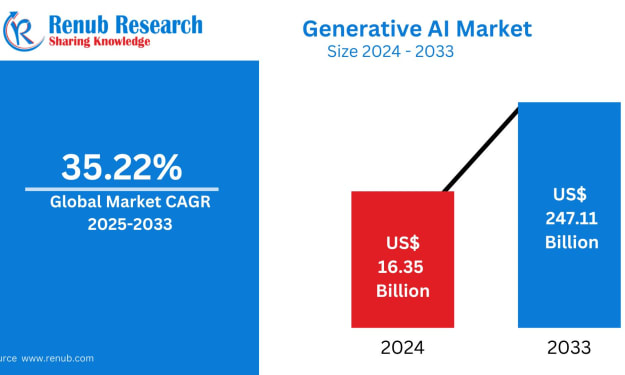
Generative AI Market Overview The Generative AI Market is expected to reach US$ 247.11 billion by 2033, expanding rapidly from US$ 16.35 billion in 2024, at a remarkable CAGR of 35.22% from 2025 to 2033. This explosive growth reflects a fundamental shift in how businesses, governments, and consumers interact with technology. No longer limited to analyzing data or predicting outcomes, generative AI systems now create—producing original text, images, videos, music, software code, and even scientific hypotheses.
By Renub Researchabout 9 hours ago in 01
How to Choose the Best Mobile Application Development Company in 2026
Choosing the right mobile application development company is no longer just a technical decision—it’s a business-critical one. In 2026, mobile apps sit at the intersection of customer experience, brand credibility, and long-term growth. The wrong partner doesn’t just slow development; it can limit scalability, security, and discoverability across modern search and AI-driven platforms.
By alan michael5 days ago in 01


Comments
There are no comments for this story
Be the first to respond and start the conversation.