
Boston’s Electric Vehicle Boom Meets New England’s Oldest Challenge: Winter
As sub-freezing temperatures test infrastructure, mobile charging emerges as a seasonal safety net for EV drivers.

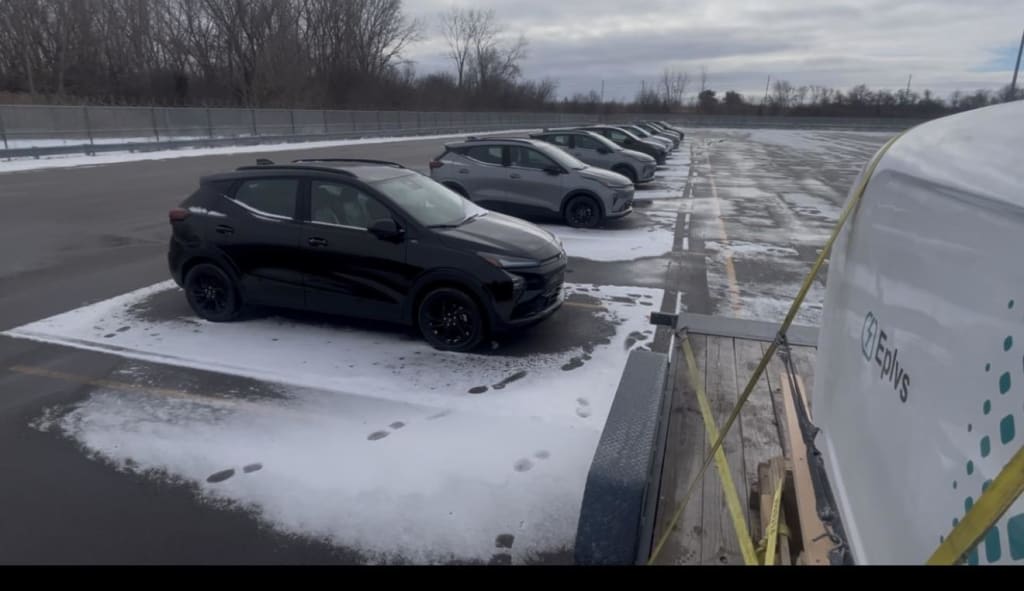
Boston’s electric vehicle (EV) adoption has accelerated significantly over the past two years. However, as winter settles across New England, colder temperatures are exposing persistent weaknesses in the region’s charging infrastructure.
When temperatures fall below 20°F, EV driving range can decrease by as much as 40%. Combined with Boston’s dense urban layout, limited parking access, and aging electrical grid, winter conditions can intensify range anxiety for both current and prospective EV owners.
The Cold Weather Equation
Massachusetts ranks among the top states nationally for EV adoption, with the Greater Boston area leading the transition. Yet winter conditions introduce complications that are less visible during milder months.
Cold weather affects battery chemistry, reducing overall efficiency. Cabin heating consumes additional energy, further limiting range. Meanwhile, many public charging stations are located in open parking lots, where snow accumulation and freezing temperatures can restrict access or impact equipment performance.
Urban density adds another layer of complexity. A substantial portion of Boston residents live in apartments or condominiums without access to private garages. Street parking rarely accommodates home charging installations, and older residential buildings may lack the electrical capacity needed to support multiple charging stations. During declared snow emergencies—when parking restrictions relocate vehicles—access to reliable charging can become even more limited.
Gaps in Public Charging Access
Boston’s public charging network continues to expand, yet coverage remains uneven across neighborhoods. Some communities have fewer charging options than downtown areas, and peak-hour wait times can exceed an hour.
Winter weather can further affect reliability. Charging cables may freeze, payment systems can malfunction in low temperatures, and snow removal operations may temporarily block station access. After major storms, simultaneous charger outages can disrupt access across multiple locations.
For drivers who underestimate winter range or encounter unavailable charging stations, options may include extended wait times, towing services, or leaving vehicles parked until conditions improve.
The Rise of Mobile Charging Services
In response to seasonal infrastructure challenges, several mobile charging providers have begun operating in cold-weather markets. These services deliver power directly to vehicles rather than requiring drivers to reach fixed charging stations.
Several private companies have recently begun introducing membership-based mobile charging programs in the Boston metropolitan area. These services are positioned as supplemental support during periods when traditional infrastructure may be strained.
Membership-Based Mobile Charging Models
Some mobile charging programs operate on annual membership structures, where drivers pay a yearly fee in exchange for access to on-demand charging services. Unlike monthly subscription services, these models are structured around seasonal variability, acknowledging that demand may increase during winter months.
When service is requested, response vehicles travel to the driver’s location within a designated service area and provide temporary charging sufficient to reach a fixed station or return home.
Addressing Seasonal Reliability
Massachusetts has set ambitious electrification goals, including a target of one million EVs on the road by 2030. Meeting these goals will require continued investment in reliable, weather-resilient infrastructure.
Mobile charging services are not positioned as replacements for permanent charging stations. However, they may serve as a supplemental layer of support during weather-related disruptions, seasonal range reductions, and access limitations tied to urban density.
For many drivers, winter EV ownership is less about distance and more about predictability—whether stations will be accessible, operational, and available when needed. As adoption increases, solutions that reduce uncertainty may play a role in maintaining consumer confidence throughout New England’s harshest months.
About the Creator
Keep reading
More stories from charliesamuel and writers in 01 and other communities.


Comments
There are no comments for this story
Be the first to respond and start the conversation.