

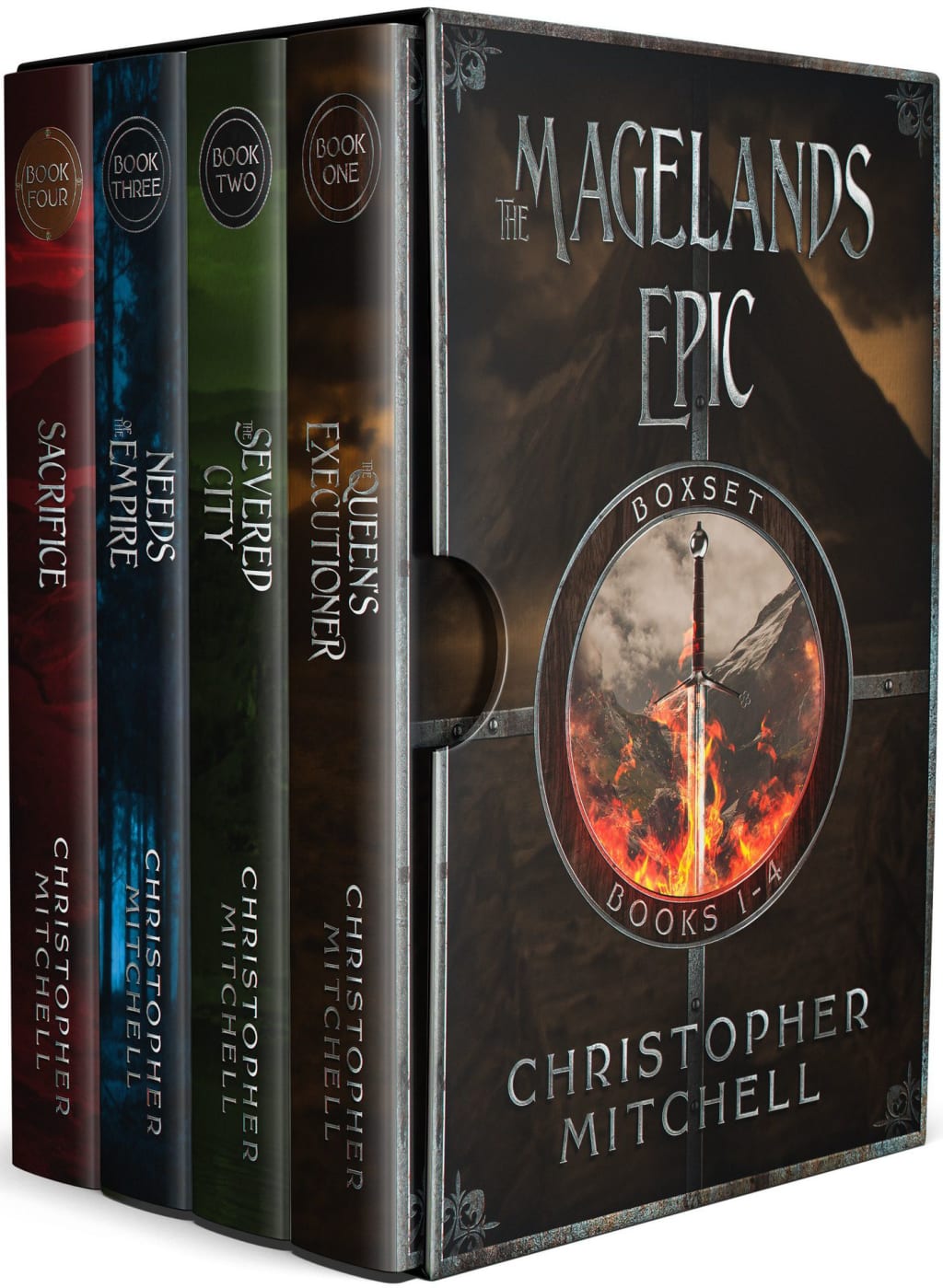
Epic books are a genre of literature that is characterized by its length, scope, and complexity. These books typically tell a story that spans years or even decades, and often involve multiple characters and themes. They also tend to be written in a grand, sweeping style that is meant to evoke a sense of awe and wonder in the reader.
Perhaps the most famous example of an epic book is Homer's "The Iliad" and "The Odyssey". These two works are considered to be the earliest examples of epic poetry and are still widely read and studied today. They tell the story of the Trojan War and the journey of Odysseus, respectively, and are filled with larger-than-life characters, dramatic battles, and mythical creatures.
Other well-known examples of epic books include J.R.R. Tolkien's "The Lord of the Rings" trilogy, George R.R. Martin's "A Song of Ice and Fire" series, and James Joyce's "Ulysses". Each of these works is known for its intricate plot, richly drawn characters, and detailed world-building.
One of the defining features of epic books is their length. These works can easily run to hundreds or even thousands of pages, requiring a significant time commitment from the reader. However, this length also allows for a level of depth and complexity that is rarely seen in shorter works. Epic books have the space to explore multiple develop complex characters, and delve into intricate themes in a way that is simply not possible in shorter works.
Another key characteristic of epic books is their scope. These works often take place over a long period of time and cover a wide range of events and locations. They may involve multiple generations of characters or follow the rise and fall of an entire civilization. This scope allows epic books to explore themes such as power, love, and morality on a grand scale, offering insights into the human condition that are difficult to achieve in smaller works.
Epic books also tend to be written in a grand, sweeping style that is designed to evoke a sense of awe and wonder in the reader. This style often includes rich descriptions of landscapes, battles, and other dramatic events, as well as poetic language and powerful imagery. This style can be challenging to read at times, but it also adds to the sense of epic grandeur that is so central to these works.
Despite their length and complexity, epic books continue to be popular with readers around the world. Many readers enjoy the challenge of tackling these massive works and the sense of accomplishment that comes with finishing them. Others are drawn in by the intricate plots, well-developed characters, and richly detailed worlds that are so central to the genre.
In recent years, the popularity of epic books has only increased, thanks in part to the rise of digital publishing. With e-readers and audiobooks, readers can now easily access and enjoy these lengthy works from anywhere, at any time. This has made it easier than ever for readers to dive into the worlds of Tolkien, Martin, Joyce, and other epic authors, and has helped to keep the genre alive and thriving in the 21st century.
In conclusion, epic books are a unique and fascinating genre of literature that offer a level of depth, complexity, and grandeur that is rarely seen in shorter works. These books require a significant time commitment from the reader, but they also offer a rich and rewarding reading experience that is unlike anything else. Whether you are a fan of classic works like "The Iliad" and "The Odyssey", or modern series like "The Lord of the Rings" or "A Song of Ice and Fire", there is something in the world of epic books for every reader to enjoy.
About the Creator
Hammad Nadeem
I am a talented and passionate writer with a flair for words. My writing experience spans across various niches, including lifestyle, travel, health, and technology including lifestyle.I am an avid reader and enjoy learning.
Keep reading
More stories from Hammad Nadeem and writers in 01 and other communities.
books
Epic books are a genre of literature that is characterized by its length, scope, and complexity. These books typically tell a story that spans years or even decades, and often involve multiple characters and themes. They also tend to be written in a grand, sweeping style that is meant to evoke a sense of awe and wonder in the reader.
By Hammad Nadeem3 years ago in 01
Mobile App Development Seattle: Best Practices for Startups
It usually happens during the first real sprint review. The app exists now. Screens load. Buttons respond. Yet something feels fragile. A small change breaks another flow. Performance dips when more users log in than expected. A founder leans back and realizes the uncomfortable truth.
By Mike Pichai3 days ago in 01




Comments
There are no comments for this story
Be the first to respond and start the conversation.