

Blockchain: Revolutionizing Trust, Security, and Decentralization
Introduction:
Blockchain technology is a transformative innovation that has gained significant attention in recent years. Originally introduced as the underlying technology for cryptocurrencies like Bitcoin, blockchain has evolved to offer much more than just digital currencies. It is a decentralized and distributed ledger system that securely records and verifies transactions across multiple computers or nodes. This article explores the concept of blockchain, its key features, applications across various industries, and the potential impact it has on trust, security, and decentralized systems.
Understanding Blockchain:
Blockchain is a digital ledger that maintains a continuously growing list of records called blocks. Each block contains a set of transactions, along with a unique identifier called a hash, which is generated based on the data in the block. These blocks are linked together in a chain, forming a chronological and immutable record of all transactions that have occurred on the network.
Key Features of Blockchain:
Decentralization: Unlike traditional centralized systems, blockchain operates in a decentralized manner. It does not rely on a single central authority or intermediary to validate and record transactions. Instead, the responsibility for maintaining the blockchain is distributed across multiple nodes, ensuring transparency, resilience, and resistance to censorship.
Security and Immutability: Blockchain achieves a high level of security through cryptographic techniques. Each block contains a hash that is generated based on the data in the block, including the previous block's hash. Any alteration in a block's data would result in a change in its hash, breaking the chain and alerting the network of tampering attempts. Once a block is added to the blockchain, it becomes nearly impossible to alter or delete the recorded transactions, ensuring the integrity of the data.
Transparency and Auditability: Blockchain provides transparency by allowing all participants in the network to have access to the same information. Every transaction is recorded on the blockchain and can be viewed by anyone, promoting accountability and trust. This transparency also enables efficient auditing processes, as the entire transaction history is available for verification.
Smart Contracts: Smart contracts are self-executing contracts with the terms of the agreement directly written into the code. These contracts are stored and executed on the blockchain, enabling automated and trustless transactions. Smart contracts eliminate the need for intermediaries, reduce costs, and ensure the enforcement of agreements without relying on a centralized authority.
Applications of Blockchain:
Cryptocurrencies and Financial Services: The most well-known application of blockchain is in cryptocurrencies like Bitcoin and Ethereum. Blockchain technology enables secure and transparent transactions, eliminates the need for intermediaries, and provides individuals with greater control over their finances. It also offers potential solutions for cross-border payments, remittances, and financial inclusion in underserved regions.
Supply Chain Management: Blockchain can revolutionize supply chain management by providing end-to-end transparency and traceability of products. Each transaction or transfer of goods can be recorded on the blockchain, creating an immutable audit trail. This enhances product authenticity, reduces counterfeiting, and ensures compliance with regulations. Blockchain can also improve efficiency in supply chain processes by automating documentation, verifying product provenance, and optimizing inventory management.
Healthcare and Medical Records: Blockchain has the potential to transform healthcare by securely storing and sharing medical records. With blockchain, patients can have control over their health data, granting access to healthcare providers when needed. This promotes interoperability, eliminates duplicate records, improves data accuracy, and enhances patient privacy and consent management. Blockchain can also facilitate medical research by securely sharing anonymized patient data.
Voting and Governance: Blockchain technology can revolutionize the voting and governance systems by ensuring transparency, security, and verifiability. Blockchain-based voting systems can prevent fraud, tampering, and coercion, as each vote is recorded on the blockchain and cannot be altered. This promotes trust in the electoral process, increases
About the Creator
Keep reading
More stories from Dinuka nawarathna and writers in 01 and other communities.
Internet of Things (IoT)
Web of Things (IoT): Interfacing the Physical and Computerized Universes Presentation: The Web of Things (IoT) is an extraordinary innovation that interfaces actual items and gadgets to the web, empowering them to convey and trade information. By incorporating sensors, actuators, and network into ordinary items, IoT considers consistent connections between the physical and advanced universes. This article investigates the idea of IoT, its key parts, applications across different areas, and the extraordinary effect it has on enterprises, economies, and day to day existence.
By Dinuka nawarathna3 years ago in 01
What Tampa Startups Learn After Shipping Their First App?
Ryan Matthews remembers the launch day clearly. The app went live. Friends shared the link. Early users signed up. A few congratulatory messages came in from investors and mentors. For a brief moment, it felt like the hardest part was over.
By Mary L. Rodriqueza day ago in 01
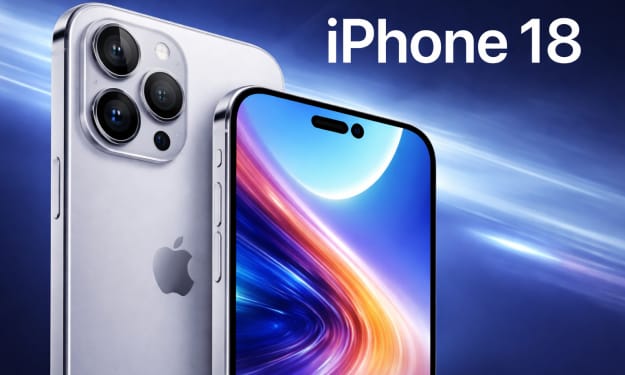
I phone 18 launch expected date, feature.
Apple iPhone 18 is expected to represent a bold shift in smartphone design philosophy, combining elegance with engineering excellence. Rumors suggest Apple may introduce a new titanium-glass fusion body, making the device lighter yet significantly stronger than previous models. The edges could become more seamless, removing visible antenna lines and offering a perfectly smooth finish. This design would not only enhance durability but also provide a premium in-hand feel that defines Apple’s craftsmanship. A thinner profile with improved structural integrity may also allow for better heat management and internal space efficiency. Users may notice refined curves, reduced bezels, and an almost borderless front display that maximizes screen immersion. Apple’s continued focus on environmental responsibility could lead to more recycled materials in the construction. Overall, the iPhone 18 design may blend aesthetics, sustainability, and resilience into one beautifully engineered device.
By USA daily update a day ago in 01
Living in a hemp house
Hemp, a multi-purpose crop that delivers fibres, shivs, seeds, and pharmaceuticals is currently used in insulation materials and bio-composites for a more sustainable construction industry. Russ Martin and his wife Karon Korp tell their story as owners of the first hemp house in the U.S.
By Susan Fourtané 2 days ago in Interview



Comments
There are no comments for this story
Be the first to respond and start the conversation.