
Beyond Compliance: Turning ESG Reporting into Business Intelligence
Turning ESG Reporting into Business Intelligence
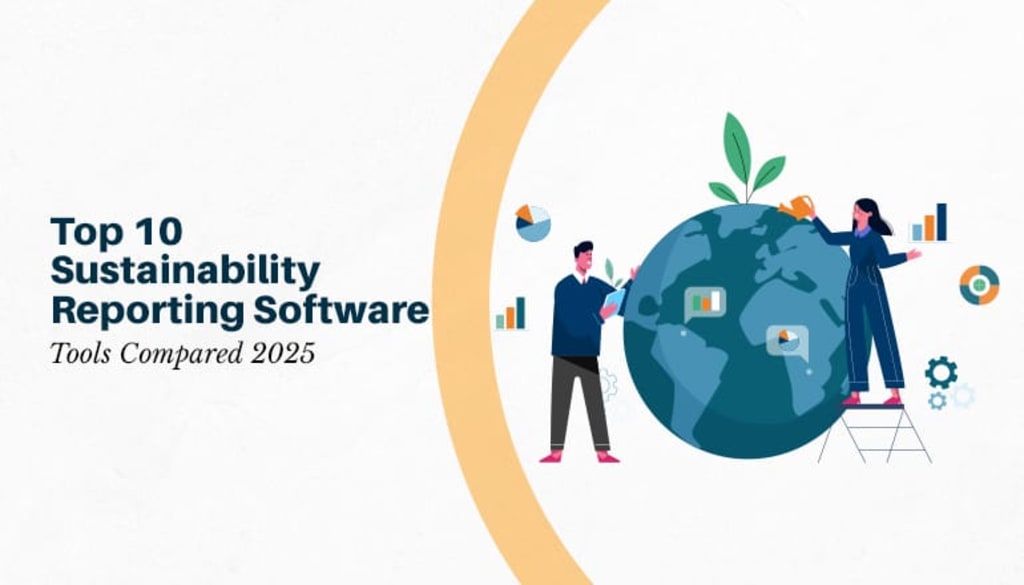
In today’s rapidly evolving corporate landscape, Environmental, Social, and Governance (ESG) reporting is no longer just a compliance checkbox. With increasing pressure from regulators, investors, consumers, and employees alike, ESG has become a strategic imperative. Companies that embrace ESG reporting not just as an obligation, but as a tool for business intelligence, are unlocking competitive advantages that drive long-term success.
This shift—from reactive reporting to proactive strategy—marks the next frontier in corporate sustainability. It’s about going beyond compliance to derive actionable insights that enhance decision-making, improve risk management, and reveal new growth opportunities.
ESG Reporting: From Obligation to Opportunity
Initially, ESG reporting was driven largely by the need to meet regulatory requirements and investor expectations. Companies submitted data to satisfy frameworks like GRI, SASB, or the TCFD. But over time, it became clear that ESG data, when collected and analyzed effectively, could offer powerful insights into operational efficiencies, stakeholder engagement, brand reputation, and financial performance.
The real opportunity lies in recognizing ESG reporting as more than a scorecard. When treated as business intelligence, ESG data transforms into a valuable resource that helps organizations align purpose with profit, manage risks with foresight, and innovate responsibly.
Turning Data into Strategy
The process begins with robust data collection, but it doesn’t end there. To turn ESG reporting into business intelligence, companies must go deeper—connecting ESG metrics to broader business objectives.
Take carbon emissions data, for instance. A surface-level report may simply outline annual reductions. But a more strategic approach would map emissions data to supply chain operations, identify high-impact areas, and support initiatives that drive both sustainability and cost savings. Similarly, workforce diversity metrics can be linked to recruitment, retention, and performance data to uncover trends that influence company culture and productivity.
The key is integration. ESG should not sit in a silo. It must be woven into the fabric of corporate strategy, finance, procurement, and operations. This is where technology plays a pivotal role.
The Role of Sustainability Reporting Software
As ESG datasets grow in complexity, the need for advanced digital tools becomes undeniable. Sustainability reporting software streamlines data collection, standardizes reporting formats, and enables real-time analysis. These platforms help organizations track performance across key ESG indicators, benchmark against peers, and simulate future scenarios.
Modern sustainability software often includes dashboards, predictive analytics, and AI-powered insights. This makes it easier for decision-makers to visualize trends, measure progress, and respond quickly to potential challenges. By centralizing data, such tools also facilitate internal collaboration and ensure consistency across business units.
Moreover, the automation capabilities of ESG platforms reduce human error and free up valuable resources. Instead of spending hours on manual data aggregation, sustainability professionals can focus on interpreting results and developing impactful strategies.
ESG Risk Assessment: A Strategic Imperative
A major benefit of turning ESG reporting into business intelligence is enhanced risk management. A comprehensive ESG risk assessment goes beyond identifying regulatory risks. It also uncovers reputational threats, supply chain vulnerabilities, and environmental liabilities.
For example, companies that rely heavily on water resources in drought-prone regions face material risks that can impact operations. Similarly, those with opaque labor practices in their supply chains may encounter social and governance risks that damage brand equity. ESG data, when analyzed with risk in mind, helps companies take proactive steps to mitigate such threats before they escalate.
More importantly, an ESG risk assessment supports strategic foresight. It helps leaders anticipate market shifts, consumer expectations, and investor demands. This ability to see around corners is what separates reactive companies from resilient, future-ready enterprises.
ESG Intelligence in Action: Real-World Impact
Companies across industries are already demonstrating the value of ESG as business intelligence:
Retail and Apparel brands are using ESG insights to improve supply chain transparency, optimize material sourcing, and connect with values-driven consumers.
Financial Institutions are leveraging ESG data to assess creditworthiness and investment risk, responding to a growing demand for responsible finance.
Energy Companies are identifying opportunities for decarbonization and innovation, using ESG metrics to future-proof their operations against shifting regulations and market dynamics.
These examples illustrate a common theme: companies that move beyond compliance and embrace ESG as a strategic asset are better positioned for long-term success.
From Insight to Impact
To fully realize the benefits of ESG reporting, companies must foster a culture of accountability and continuous improvement. This includes setting measurable goals, engaging stakeholders, and communicating transparently about progress and challenges.
It also means investing in the right tools and talent. Hiring sustainability professionals with analytical and cross-functional expertise can help turn raw data into meaningful insight. Similarly, implementing sustainability reporting software ensures that organizations have the infrastructure to scale their ESG initiatives effectively.
Perhaps most importantly, leadership must view ESG not as a constraint, but as a catalyst. ESG intelligence can drive product innovation, market differentiation, and investor confidence. It can even attract top talent, as younger generations increasingly seek employers aligned with their values.
Looking Ahead: The Future of ESG Intelligence
As ESG regulations continue to evolve and stakeholders demand more transparency, the line between compliance and strategy will blur even further. In this environment, the organizations that thrive will be those that embrace ESG as a dynamic tool for growth—not just a static report.
Technologies like blockchain, IoT, and AI will further enhance ESG data accuracy and relevance. Meanwhile, stakeholder capitalism will continue to influence how value is defined and delivered. ESG reporting, once viewed as a burden, will become a cornerstone of intelligent, agile, and purpose-driven business.
Conclusion
Turning ESG reporting into business intelligence is not just a smart move—it’s a necessary one. In a world where sustainability is a key driver of performance, companies that harness the power of ESG data will lead the way.
By conducting thorough esg risk assessment and adopting cutting-edge sustainability reporting software, businesses can navigate uncertainty, meet stakeholder expectations, and uncover opportunities for innovation and resilience. It’s time to move beyond compliance—and start leveraging ESG as the strategic asset it truly is.
About the Creator
Snowkap
A comprehensive sustainability reporting software that helps organizations drive sustainability. Use our sustainability software to centralise your sustainability data.
https://snowkap.com/
Light Builder Waste Skip Bins: Convenient Solutions for Small Projects
Whether you’re renovating your home, cleaning out a small construction site, or completing a DIY project, managing light building waste efficiently is essential. Light builder waste skip bins provide an easy, safe, and environmentally friendly way to dispose of debris without hassle. In this blog, we’ll explore the benefits of light builder waste skip bins, how to choose the right size, and tips for using them effectively.
By Sydney Skip Bins3 days ago in 01
How to Choose the Right Mobile Application Development Company in Canada in 2026
Choosing a mobile app partner in 2026 isn’t just about writing code anymore. With AI-powered features, stricter data privacy laws, rising development costs, and highly informed users, the wrong decision can cost you months of time and a significant chunk of your budget.
By alan michael3 days ago in 01
🅼🅸🅳🅽🅸🅶🅷🆃 🆂🅽🅰🅲🅺🆂
"It's 10 in Tuscon! We all know what that means... It's Time for Midnight Snacks with your man, Gerald Gee! Ready to spend the night together? Me too! I'm full of snacks and can't wait to regurgitate them all back into your hungry ears. Crack a brew! Pop some corn! Anything to get ready for one hell of a show where the talk maybe cheap but the words cut deep...
By Lamar Wiggins2 days ago in Fiction



Comments
There are no comments for this story
Be the first to respond and start the conversation.