
The Role of SaaS Platforms in Achieving Corporate Sustainability Goals
Achieving Corporate Sustainability Goals
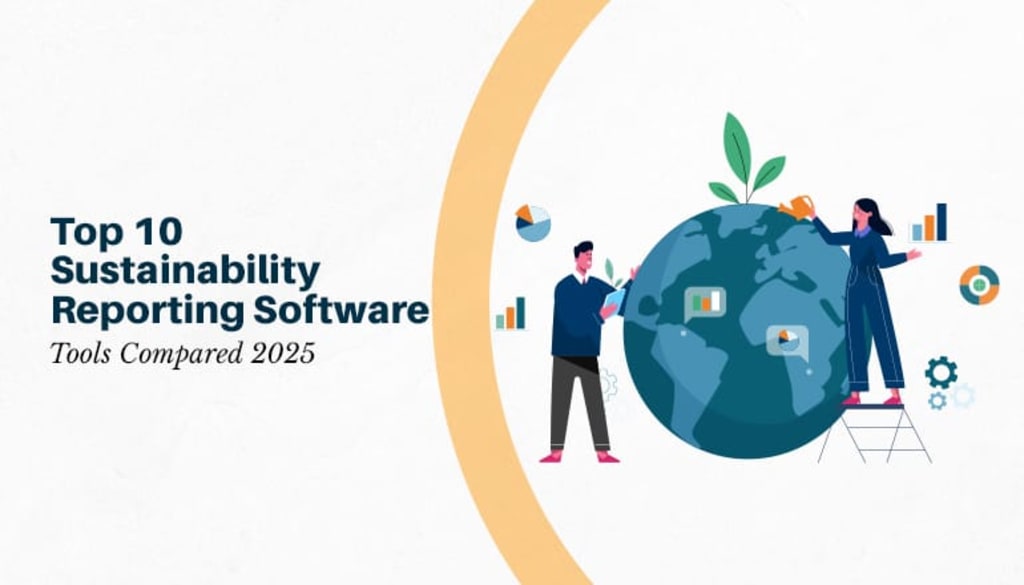
As businesses strive to become more environmentally conscious, leveraging technology has emerged as a vital strategy. Software-as-a-Service (SaaS) platforms are proving to be game-changers in this space, helping organizations streamline processes, manage resources efficiently, and meet their sustainability objectives. By integrating solutions such as Greenhouse gas emissions reporting and supply chain sustainability software, businesses can drive meaningful change towards a greener future.
Understanding SaaS Platforms in Sustainability
SaaS platforms are cloud-based applications that offer businesses access to powerful tools without the need for extensive hardware or complex installations. These platforms enable companies to track, analyze, and improve their sustainability performance through centralized data management and automated reporting systems.
In the context of corporate sustainability, SaaS solutions are designed to support environmental, social, and governance (ESG) initiatives. By utilizing these tools, businesses can measure key metrics, identify inefficiencies, and take actionable steps to reduce their environmental footprint.
Key Benefits of SaaS Platforms for Sustainability
- Real-Time Data Collection and AnalysisSaaS platforms provide businesses with real-time insights into energy consumption, carbon emissions, and other sustainability metrics. This data-driven approach allows organizations to identify trends, set achievable targets, and measure progress effectively.
- Automation for Enhanced EfficiencyAutomation features streamline processes such as carbon accounting, environmental audits, and compliance reporting. This reduces manual effort, minimizes errors, and ensures consistent data accuracy.
- Improved Compliance and ReportingWith the rise of global environmental regulations, businesses must comply with various standards. SaaS platforms simplify compliance by generating detailed reports that align with frameworks such as GRI, CDP, and TCFD. This is particularly beneficial in Greenhouse gas emissions reporting as organizations can accurately monitor Scope 1, 2, and 3 emissions.
- Supply Chain OptimizationEffective supply chain management is crucial for achieving sustainability goals. SaaS-driven supply chain sustainability software enables businesses to assess supplier performance, identify environmental risks, and implement sustainable practices throughout the value chain.
- Scalability and FlexibilitySaaS platforms are highly scalable, allowing businesses to expand operations without compromising on data security or performance. This makes it easier for organizations of all sizes to embrace sustainable practices.
How SaaS Platforms Drive Corporate Sustainability Initiatives
- Carbon Footprint ReductionSaaS platforms help businesses track their energy consumption and emissions. Tools like Greenhouse gas emissions reporting ensure that organizations can identify sources of carbon emissions and implement targeted reduction strategies.
- Resource ManagementBy analyzing water usage, waste generation, and energy efficiency, SaaS platforms enable companies to reduce resource consumption. These insights drive informed decisions about equipment upgrades, process improvements, and sustainable energy adoption.
- Sustainable ProcurementThrough supply chain sustainability software, businesses can evaluate suppliers based on environmental performance, ethical sourcing, and fair labor practices. This helps minimize the environmental impact of supply chain activities.
- Employee Engagement and TrainingSaaS platforms often feature dashboards and communication tools that keep employees informed about sustainability goals. Interactive platforms can encourage employee participation, improving awareness and promoting greener workplace behaviors.
- Waste Reduction and Circular Economy SupportSaaS platforms can track waste management processes, promoting recycling initiatives and circular economy principles. By identifying waste reduction opportunities, businesses can minimize landfill contributions and improve resource recovery.
Examples of SaaS Solutions in Corporate Sustainability
- Carbon Accounting ToolsSolutions like Watershed, Normative, and Persefoni specialize in tracking, analyzing, and managing carbon footprints. These platforms provide comprehensive insights for Greenhouse gas emissions reporting, enabling businesses to set realistic reduction targets.
- ESG Data Management PlatformsPlatforms such as Novisto, Sustain.Life, and Benchmark ESG centralize sustainability data, ensuring transparency and compliance. These tools simplify ESG reporting, helping businesses align with key frameworks.
- Supply Chain Sustainability SoftwareTools like EcoVadis, Sourcemap, and SupplyShift allow businesses to assess and improve supplier practices, track material sourcing, and identify areas for environmental improvement.
Implementing SaaS Platforms for Sustainability Success
To maximize the benefits of SaaS platforms in sustainability initiatives, businesses should follow these steps:
- Assess Current Sustainability Needs: Identify key areas where technology can improve performance, such as carbon tracking, supply chain visibility, or waste management.
- Select the Right Platform: Choose SaaS tools that align with your organization's size, industry, and sustainability objectives.
- Data Integration: Ensure seamless integration with existing enterprise systems to improve data flow and accuracy.
- Employee Training and Adoption: Educate employees on how to use the platform effectively to drive engagement and align sustainability goals.
- Monitor and Evaluate: Continuously track performance metrics, review data insights, and adjust strategies to meet sustainability targets.
Future Trends in SaaS for Sustainability
As climate regulations become stricter and investors demand greater transparency, SaaS platforms are evolving to provide advanced capabilities. Emerging trends include:
- AI-Driven Insights: Artificial intelligence will enhance predictive analytics, offering precise forecasting for emission reductions.
- Blockchain for Transparency: Blockchain technology will improve traceability in supply chains, ensuring ethical sourcing and environmental accountability.
- IoT Integration: The Internet of Things (IoT) will connect sensors to SaaS platforms, enabling real-time monitoring of energy use and emissions.
Conclusion
SaaS platforms play a pivotal role in helping organizations achieve their sustainability objectives. From enhancing Greenhouse gas emissions reporting to improving supply chain efficiency through supply chain sustainability software, these tools empower businesses to adopt greener practices effectively. By embracing SaaS technology, organizations can accelerate their journey toward environmental responsibility and contribute to a more sustainable global economy.
About the Creator
Snowkap
A comprehensive sustainability reporting software that helps organizations drive sustainability. Use our sustainability software to centralise your sustainability data.
https://snowkap.com/
No, Jeff Bezos didn't predict the future of the home PC would see it being swept away into the cloud
If there's one thing that the tech industry really loves to do, it's speculate on the future, especially if someone of note in the sector has made some newsworthy remark. Of late, there seems to be quite a bit of talk about the future of the home PC and that it might end up going the way of the dodo, all because of something Jeff Bezos said.
By Dena Falken Esq5 days ago in 01
Jeff Bezos Denies Polymarket Claim, Rekindling Debate Over Fake News on Betting Platforms Camila Grigera Naón
Polymarket has become embroiled in a scandal regarding a social media post it made about Amazon founder Jeff Bezos. The prediction market claimed he had recently recommended younger entrepreneurs to work regular jobs before starting a business.
By Dena Falken Esqabout 21 hours ago in 01


Comments
There are no comments for this story
Be the first to respond and start the conversation.