
Automatic Car parking: Advancement in Technology
Automatic Car Parking
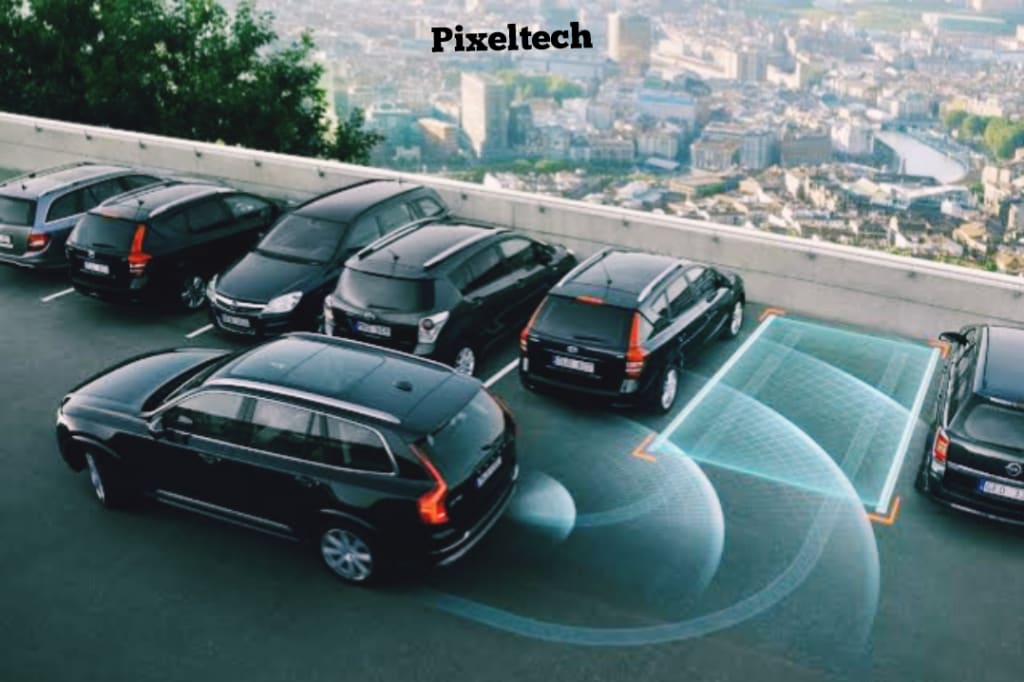
Advanced technology in cars has come a long way in the past few years. One of the most exciting new features is automatic parking. This technology allows cars to park themselves, without the need for human intervention. In this article, we'll explore the ins and outs of automatic parking and its potential benefits and drawbacks.
What is automatic parking?
Automatic parking is a feature that allows a car to park itself in a designated spot, without the need for the driver to control the steering wheel, accelerator or brake. This technology uses a combination of sensors, cameras, and computer algorithms to detect obstacles, measure distances and navigate the car into a parking spot. The system can work in both parallel and perpendicular parking situations.
How does it work?
The system starts by scanning the area around the car to find a suitable parking spot. The driver then activates the system and the car takes over from there. The car uses sensors to measure the distance to nearby obstacles and cameras to detect the position of the parking spot. The computer then calculates the best path for the car to follow and controls the steering, accelerator, and brake to maneuver into the spot.
Benefits of automatic parking
One of the main benefits of automatic parking is convenience. Drivers no longer have to worry about finding a parking spot or maneuvering into a tight space. The system takes care of everything, making parking faster and easier. Additionally, automatic parking can reduce the risk of accidents caused by human error, such as hitting another car or scraping a curb.
Automatic parking can also increase safety in other ways. The system can detect and respond to obstacles that the driver may not have seen, such as a child running behind the car or a pedestrian in a blind spot. This can reduce the risk of accidents and make driving safer for everyone on the road.
Drawbacks of automatic parking
Despite the many benefits of automatic parking, there are also some potential drawbacks. One of the main concerns is the reliability of the system. Automatic parking systems rely on a combination of sensors, cameras, and computer algorithms to function properly. If any of these components fail or malfunction, the system may not work as intended. Additionally, the system may not be able to detect all obstacles or accurately judge distances, leading to potential accidents or property damage.
Another concern is the cost of the system. Automatic parking is still a relatively new technology and is not yet available in all car models. The cost of the system can vary widely, with some models charging a premium for the feature. This can make the technology less accessible to drivers who are on a tight budget.
The Future of Automatic Parking
Despite the potential drawbacks, the future of automatic parking looks bright. As the technology improves and becomes more widespread, we can expect to see more and more cars equipped with this feature. Additionally, the system may become more reliable and accurate, reducing the risk of accidents and malfunctions.
There is also potential for automatic parking to be integrated with other features, such as advanced driver-assistance systems (ADAS) or autonomous driving technology. This could create a more seamless and integrated driving experience, where the car takes care of all aspects of parking and driving.
Conclusion
Automatic parking is an exciting new technology that has the potential to make driving safer, easier, and more convenient. While there are some concerns about reliability and cost, the benefits of the system make it a valuable addition to any car. As the technology continues to improve, we can expect to see more and more cars equipped with automatic parking, and potentially integrated with other advanced features.
About the Creator
Keep reading
More stories from Velmurugan Madeshwaran and writers in 01 and other communities.
Smart tank technology: Future of Aquarium Hobby
The aquarium hobby has been a popular pastime for many people for decades. However, with the advancements in technology, the aquarium hobby is also evolving. One of the most significant changes in the aquarium industry is the rise of smart tank technology. Smart tank technology has the potential to revolutionize the way we keep and care for fish in our homes.
By Velmurugan Madeshwaran3 years ago in 01
What Does a Fitness App Actually Cost to Build in 2026
Calculating what a fitness app actually cost to build in 2026 is complex. You must look beyond simple hourly rates. The fitness technology landscape has shifted significantly recently. Basic tracking is no longer enough for users. Apps now require hyper-personalized, AI-driven coaching. They also need immersive and engaging experiences. For entrepreneurs, the investment is no longer just about coding. It is about building a data-secure ecosystem. You must also focus on high-retention systems.
By Devin Rosarioabout 23 hours ago in 01
How to Fix 400 Bad Request Error Fast (3 Simple Steps)
Ever hit a sudden bad page and wondered why your browser can't talk to the site? A 400 malformed request error happens when the server refuses a client-side input it can’t parse. In plain terms, your browser sent a broken or corrupted request that the site could not understand.
By Majed Alzhrani2 days ago in 01
The BAFTA Awards
By now, in a stunning departure from recent years, most of the world is aware of what happened at the BAFTA film awards. Social Media Headlines will tell you the bare bones: that John Davidson, a Tourette's Syndrome advocate, shouted a racial slur at two Actors of Colour, Michael B Jordan and Delroy Lindo.
By Natasja Rose3 days ago in Psyche




Comments
There are no comments for this story
Be the first to respond and start the conversation.