
Android and iOS
Comparison between Android and iOS

Android and iOS are the two most popular operating systems for mobile devices. Android is developed by Google and used by many smartphone manufacturers, while iOS is exclusive to Apple's iPhone and iPad. Both operating systems have their own unique features and advantages, and choosing between them can be a matter of personal preference. In this article, we will compare Android and iOS in terms of design, customization, app ecosystem, security, and user experience.
Design:
Android and iOS have very different design philosophies. Android is known for its customizability and flexibility, while iOS is known for its simplicity and consistency. Android devices have a wide range of designs, from budget-friendly devices to high-end flagships with cutting-edge hardware. On the other hand, Apple's iPhone has a consistent design across all models, which is characterized by a minimalistic and elegant aesthetic.
Customization:
One of the biggest advantages of Android is its customizability. Users can personalize their devices by installing third-party launchers, widgets, and themes. Android also allows users to customize notifications, settings, and the lock screen. In contrast, iOS is much more restricted in terms of customization. Users can only change the wallpaper, rearrange app icons, and add widgets on the home screen.
App Ecosystem:
Both Android and iOS have vast app ecosystems, with millions of apps available for download. However, there are some differences between the two platforms. Android's Google Play Store has a larger selection of apps compared to Apple's App Store. However, some apps are released on iOS first and may take longer to arrive on Android. Additionally, iOS apps tend to have higher quality and consistency, as Apple has strict guidelines for app developers.
Security:
Both Android and iOS have their own security measures to protect users' data and privacy. Android uses a permission system that allows users to grant or deny access to sensitive information and features, such as the camera, microphone, and contacts. However, some Android devices may be vulnerable to malware and viruses if they do not receive regular security updates. iOS, on the other hand, is known for its strong security features, such as Face ID and Touch ID. Apple also has strict guidelines for app developers and regularly releases software updates to address security vulnerabilities.
User Experience:
The user experience on Android and iOS is very different. Android devices offer more freedom and flexibility, but this can also make the user experience more complicated for some users. On the other hand, iOS devices are known for their simplicity and ease of use. The user interface is consistent across all devices, and there are fewer settings and options to navigate. Additionally, Apple's ecosystem of products, such as the Apple Watch and AirPods, offer a seamless user experience that is not available on Android devices.
User experience is a crucial aspect to consider when choosing between Android and iOS. The user interface (UI) and user experience (UX) of both operating systems are different, and it is important to understand how they affect the user's overall experience.
Android is known for its flexibility and customization options, which allows users to tailor their devices to their liking. However, this flexibility can also make the user experience more complicated, particularly for those who are not tech-savvy. Android devices often have multiple layers of menus and settings, which can be overwhelming for some users.
iOS, on the other hand, is known for its simplicity and ease of use. The user interface is consistent across all devices, and there are fewer settings and options to navigate. This makes iOS devices ideal for users who want a streamlined experience that is easy to navigate. Additionally, Apple's ecosystem of products, such as the Apple Watch and AirPods, offer a seamless user experience that is not available on Android devices.
One of the key differences between Android and iOS in terms of user experience is how notifications are handled. Android notifications are more customizable, with users able to control the type and frequency of notifications they receive. This can be helpful for users who want to avoid distractions or only receive notifications for certain apps. On the other hand, iOS notifications are more streamlined, with users able to manage notifications on a per-app basis. This approach can be beneficial for users who want a more focused experience and do not want to be overwhelmed by too many notifications.
Another difference between Android and iOS is how apps are organized. Android devices often have an app drawer, which stores all installed apps in one place. This can be useful for users who want to keep their home screen clutter-free. iOS devices, on the other hand, have all apps displayed on the home screen. This can make it easier to access frequently used apps, but it can also make the home screen feel cluttered and disorganized.
In terms of accessibility, both Android and iOS offer a range of features that cater to users with disabilities. Android devices have a built-in accessibility menu that includes features such as text-to-speech and screen magnification. iOS devices have a similar range of accessibility features, including voiceover and closed captioning.
Overall, the user experience of Android and iOS depends on personal preference and individual needs. Android offers more flexibility and customization options, while iOS offers a simpler and more streamlined experience. Users should consider their own preferences and how they plan to use their device before making a decision.
Conclusion:
In conclusion, both Android and iOS have their own strengths and weaknesses. Android offers more customizability and flexibility, while iOS offers a simpler and more consistent user experience. The app ecosystem on both platforms is vast, but there are some differences in terms of app quality and selection. Security is a priority for both platforms, but iOS is known for its stronger security features. Ultimately, choosing between Android and iOS comes down to personal preference and the features that matter most to each individual user.
About the Creator
Keep reading
More stories from Yuvan Prajith and writers in 01 and other communities.
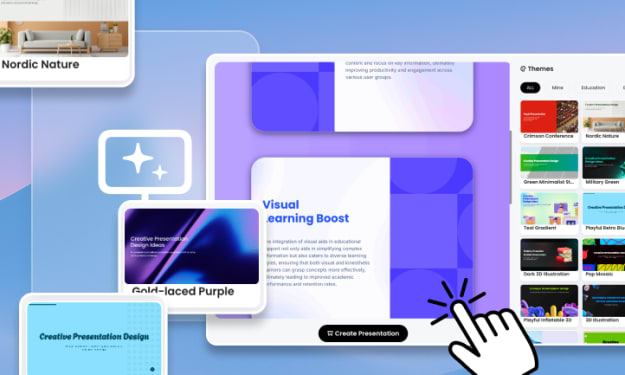
The Rise of AI Presentation Tools: Transforming the Way We Create Slides
Artificial intelligence is quietly reshaping how we work, learn, and communicate. One area where this shift is especially noticeable is presentation design. Creating slides used to mean hours of formatting, arranging content, and adjusting visuals. Today, AI-powered tools are simplifying that process, helping users turn ideas into polished presentations in a fraction of the time.
By charliesamuelabout 8 hours ago in 01
Personalization Engines in Mobile Apps 2026 Guide
The gap between a useful app and an essential one is now clear. In 2026, it is defined by how well software anticipates user needs. Generic experiences lead to high churn. Data from 2025 showed a clear trend. Apps using real-time behavioral personalization saw 3.2x higher retention rates. This is compared to apps that used static segmentation. This guide is for product managers and developers. It helps you move beyond basic "Hi Name" messaging. You will learn deep, intent-based personalization.
By Devin Rosario5 days ago in 01


Comments
There are no comments for this story
Be the first to respond and start the conversation.