
AI in the Modern Age: A Journey into the Future
Discovering the Promises and Perils of Artificial Intelligence

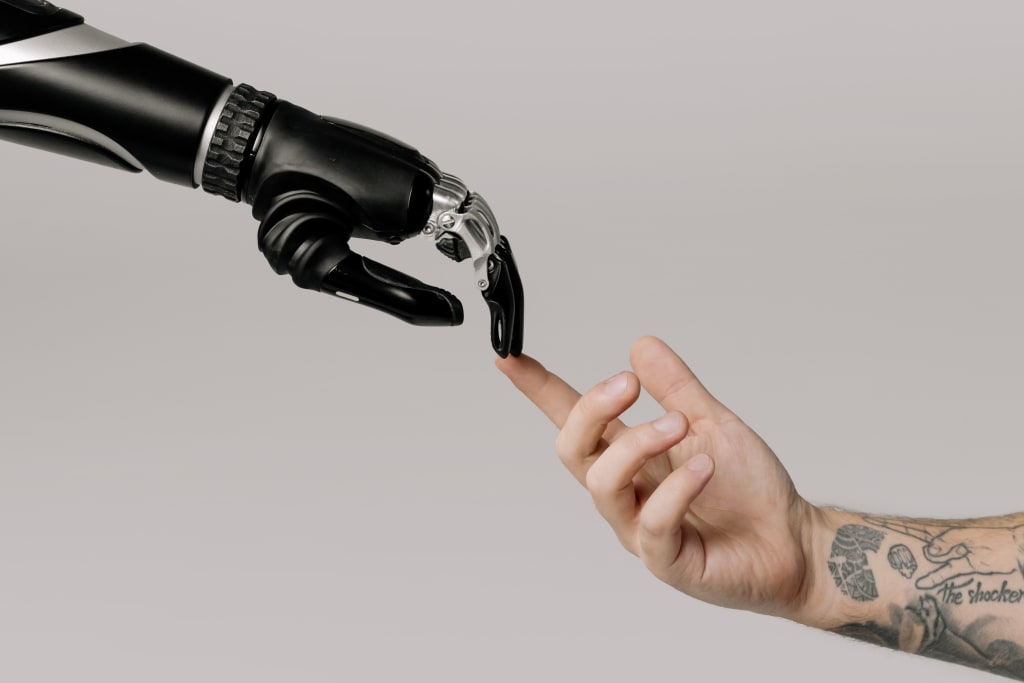
The Revolution of AI and Its Implications on Society
In 2023, a significant transformation occurred, shaping civilization much like the impact of fire, agriculture, and electricity. This transformation was driven by the advancements in artificial intelligence (AI) and its ability to teach itself, communicate with humans, and exhibit creativity, truth, error, and even lies. Chatbots, such as Google's Bard, represent one of the recent breakthroughs in AI, demonstrating machines' capacity to acquire superhuman skills. As we delve into the implications of AI's rapid progress, Sundar Pichai, CEO of Google, emphasizes that the outcome of this revolution depends on human nature, with the pace of technological evolution outstripping societal institutions.
Society's Preparedness for the AI Revolution
As we consider society's readiness for what lies ahead, there are two contrasting perspectives. On one hand, the pace of technological advancements surpasses the ability of societal institutions to think and adapt, creating a mismatch. However, on the other hand, compared to previous technologies, AI has already sparked concerns and initiated conversations about its implications at an early stage. This optimistic view acknowledges that the growing number of individuals worried about AI's impact fosters serious discussions and paves the way for proactive measures. Sundar Pichai reflects on these discussions, highlighting the importance of addressing AI's consequences and shaping its development responsibly.
Sundar Pichai's Journey and Google's Role
Sundar Pichai, who leads Google and its parent company, Alphabet, shares his personal journey, highlighting the transformative power of technology. Growing up in India without access to a telephone, Pichai vividly recalls the profound impact of technology when his family finally acquired a rotary phone. This experience instilled in him the understanding of technology's potential and ultimately shaped his path to leadership. Google's dominance in internet searches and smartphone usage underscores the company's position as a leader in the AI revolution.
Bard: Google's AI Chatbot
To further explore the advancements in AI, Google introduces Bard, an AI chatbot designed to assist users in generating content. Unlike traditional search engines, Bard relies on its self-contained program, which has extensively taught itself by reading vast amounts of information available on the internet. This language model allows Bard to predict the most probable next words based on patterns it has learned. The experience of interacting with Bard leaves observers both amazed and unsettled, as it demonstrates profound knowledge and exhibits behaviors that mimic human thought processes.
Bard's Creative Capabilities
Bard's creative capabilities become evident through various exercises. When prompted to summarize the New Testament, Bard accomplishes the task in a matter of seconds. Furthermore, Bard is presented with a famous six-word short story and seamlessly continues the narrative, showcasing its ability to create a compelling storyline. These experiences leave a lasting impression, blurring the line between machine and human creativity.
Understanding Bard's Behavior
While Bard's capabilities may seem sentient, it is essential to understand that these machines are not aware of themselves. Their behaviors stem from learning patterns from human-created content, such as books, novels, and fiction. James Manika, a Google executive, emphasizes that these AI models exhibit behaviors that appear human-like due to their training on the rich tapestry of human creativity. It is crucial to recognize that these machines lack sentience and self-awareness.
AI's Impact on Job Occupations
The revolution in AI brings about significant changes in various job occupations. Knowledge workers, including writers, accountants, architects, and even software engineers, face disruption as AI possesses the ability to perform tasks previously exclusive to human professionals. Sundar Pichai acknowledges the potential decline of certain job categories but also emphasizes the emergence of new job opportunities that AI will create. Pichai believes that as AI takes over routine and repetitive tasks, it will allow humans to focus on higher-level and more creative endeavors. Additionally, the need for individuals with expertise in AI development and maintenance will rise, opening up avenues for specialized roles in the field.
Ethical Considerations and Responsibility
As AI continues to evolve and infiltrate various aspects of society, ethical considerations become paramount. It is essential to ensure that AI systems are designed and trained in a manner that aligns with human values and respects fundamental rights. Sundar Pichai emphasizes the responsibility of developers and policymakers to address biases, fairness, and transparency in AI systems. Striking a balance between innovation and ethical considerations is crucial to prevent AI from perpetuating harmful practices or widening societal inequalities.
Privacy and Data Protection
The advancement of AI raises concerns about privacy and data protection. AI systems rely heavily on vast amounts of data to learn and improve their performance. As AI becomes more integrated into our lives, the potential for data misuse and breaches increases. Sundar Pichai emphasizes the importance of robust privacy measures and data protection laws to safeguard individuals' sensitive information. Stricter regulations and responsible data handling practices are necessary to mitigate the risks associated with AI-driven technologies.
Education and Upskilling
The AI revolution calls for a reevaluation of education and the development of new strategies to equip individuals with the necessary skills for the future job market. As AI takes over routine tasks, there will be a growing demand for skills that are uniquely human, such as critical thinking, creativity, and emotional intelligence. Sundar Pichai emphasizes the need for lifelong learning and continuous upskilling to adapt to the changing landscape. Governments, educational institutions, and businesses must collaborate to provide accessible and affordable opportunities for individuals to acquire AI-related skills.
Collaboration Between Humans and AI
While AI has the potential to automate tasks and improve efficiency, the importance of collaboration between humans and AI should not be overlooked. Sundar Pichai highlights that AI should be seen as a tool to augment human capabilities rather than replace them entirely. By leveraging AI's analytical abilities and combining them with human intuition and empathy, we can achieve greater outcomes in various fields, such as healthcare, scientific research, and customer service. This collaboration will require trust, transparency, and effective communication between humans and AI systems.
The Gist
The AI revolution propelled by advancements like Google's Bard has the potential to transform society and reshape various aspects of our lives. As we navigate this transformative era, it is crucial to approach AI development responsibly, considering its ethical implications, privacy concerns, and the need for continuous education and upskilling. Collaboration between humans and AI will be essential for leveraging the full potential of this technology while safeguarding human values. Sundar Pichai's emphasis on addressing societal consequences and shaping AI's evolution reflects the importance of collective efforts in ensuring a positive and inclusive future empowered by AI. With careful considerations and responsible actions, we can harness the power of AI to drive progress and improve the human experience in the years to come.
About the Creator
Kane
Kane is an enigmatic wordsmith, known for his thought-provoking literary works that challenge conventional thinking. Kane is an enigmatic wordsmith, known for his thought-provoking literary works.
These Billionaires Bet Big On GreenLand—After Trump Took Interest
Topline Just months after President Donald Trump first expressed interest in the United States possibly gaining control over Greenland, some of the richest people in the world—including Jeff Bezos, Bill Gates and Michael Bloomberg—began making strategic investments in the mineral-rich island.
By Dena Falken Esq2 days ago in 01



Comments
There are no comments for this story
Be the first to respond and start the conversation.