
AI in Mars mission
Role of Artificial intelligence in Mars mission
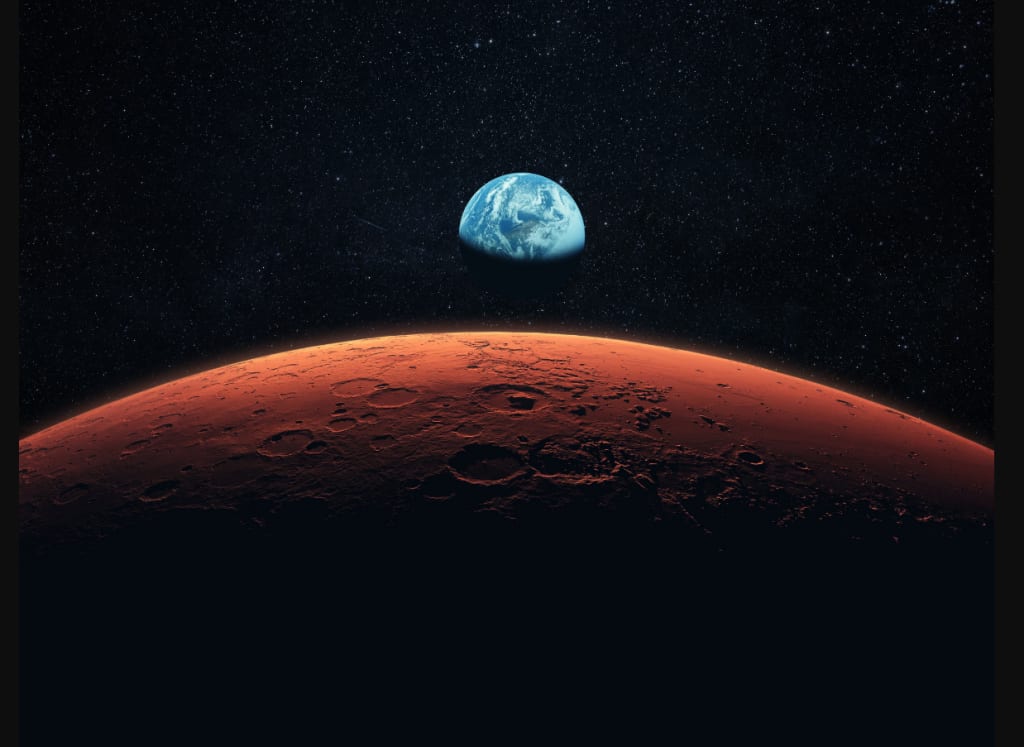
Artificial intelligence (AI) can play a significant role in space exploration, including missions to Mars. While AI itself cannot physically transport us to Mars, it can contribute to various aspects of the mission, such as mission planning, spacecraft navigation, autonomous operations, and data analysis.
Here are a few ways AI can be utilized in Mars missions:
Mission Planning: AI algorithms can assist in optimizing mission plans, considering factors like fuel efficiency, trajectory calculations, and resource management. These algorithms can analyze vast amounts of data and simulate different scenarios to find the most efficient and safe paths to Mars.
Robotics and Autonomous Systems: AI-powered robots and rovers can be deployed on Mars to perform tasks autonomously. AI algorithms can enable these systems to navigate the Martian terrain, avoid obstacles, make real-time decisions, and carry out scientific experiments.
Data Analysis: AI can assist in analyzing the vast amount of data collected from Mars missions. Machine learning algorithms can help scientists process and interpret images, geological data, and other scientific measurements, aiding in the discovery of valuable information about the Red Planet.
Human-Machine Collaboration: AI can enhance the collaboration between astronauts and intelligent systems during manned missions to Mars. AI assistants can provide valuable support in decision-making, monitoring vital signs, managing life support systems, and addressing emergency situations.
Simulation and Training: AI can be used in simulating Mars environments and conducting virtual training for astronauts. This technology can help astronauts prepare for the challenges they may face during the mission, such as communication delays, resource limitations, and emergency scenarios.
While AI can significantly improve our capabilities and enhance the success of Mars missions, it is important to note that it is just one component of a broader space exploration endeavor. Advancements in rocket technology, spacecraft design, life support systems, and other fields are also crucial for realizing crewed missions to Mars.
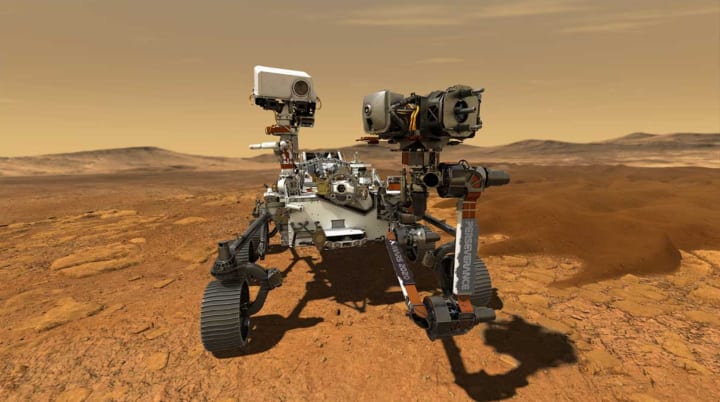
Advancements in artificial intelligence (AI) can certainly contribute to our efforts to reach Mars. While AI alone cannot physically transport humans or spacecraft to Mars, it can enhance various aspects of space exploration and mission planning.
Here are a few ways AI can assist in our Mars exploration:
Data analysis: AI can analyze vast amounts of data collected from Mars rovers, orbiters, and telescopes to identify patterns, anomalies, and potential areas of scientific interest. This can help scientists make informed decisions about mission objectives and resource allocation.
Autonomous systems: AI can enable autonomous systems on spacecraft and rovers, allowing them to navigate and make decisions without constant human intervention. These systems can adapt to the changing environment on Mars, perform tasks, and even respond to unexpected situations.
Mission planning: AI algorithms can optimize mission planning, considering factors such as fuel efficiency, trajectory calculations, and orbital dynamics. By leveraging AI's capabilities, we can design more efficient missions and reduce the time and resources required to reach Mars.
Robotics and exploration: AI can enhance robotic systems and their interaction with the Martian environment. It can improve the ability of rovers to navigate challenging terrains, identify scientifically interesting features, and perform complex tasks with greater autonomy.
Crew support: In future crewed missions to Mars, AI can play a crucial role in supporting the astronauts' physical and mental well-being. AI-powered systems can monitor health parameters, provide decision support for medical emergencies, and assist with communication and maintaining psychological resilience during the long-duration journey.
It's important to note that AI is just one piece of the puzzle in our quest to reach Mars. It needs to be integrated with other technologies, such as propulsion systems, spacecraft design, and life support systems, to make human missions to Mars a reality. Additionally, there are numerous engineering, logistical, and scientific challenges to overcome before we can establish a sustainable human presence on the Red Planet. Nonetheless, AI has the potential to significantly enhance our capabilities and contribute to the success of future Mars missions.
About the Creator
Keep reading
More stories from Hasan Shahid and writers in 01 and other communities.
Are we all in the danger of Artificial Intelligence: AI
The idea of artificial intelligence (AI) taking over the world is a common theme in science fiction, but it is important to distinguish between fiction and reality. While AI has advanced significantly in recent years and continues to develop at a rapid pace, there is currently no evidence to suggest that AI is on the verge of taking over the world or posing an existential threat to humanity.
By Hasan Shahid3 years ago in 01
AI Development Company: How to Choose the Right Partner
Artificial intelligence is transforming how businesses operate, compete, and deliver value. From predictive analytics and automation to intelligent customer interactions, AI-driven systems are no longer optional for companies that want to stay ahead. However, successful implementation depends heavily on choosing the right partner. Selecting an AI Development Company is not just a technical decision—it is a strategic investment that can shape your organization’s future.
By Aarti Jangid6 days ago in 01
Adding AI to Your Mobile App: A Practical Guide
Not every app needs machine learning. But if you’re building products that serve thousands of users with different habits and expectations, static logic eventually starts to crack. The same feed, the same suggestions, the same flows for everyone — it works early on, but it doesn’t scale.
By Valeriia Shulgaabout 22 hours ago in 01
A Historic Declaration
We the People of the Husbands of the United States of America, in Order to form a more perfect Union, and I mean you...with me...establish Justice, insure domestic Tranquility, provide for the common defence, promote the general Welfare, and secure the Blessings of Liberty to ourselves, after Puberty, do ordain and establish this Declaration of Co-Dependence.
By Gerard DiLeo5 days ago in Humans


Comments
There are no comments for this story
Be the first to respond and start the conversation.