
AI and the Future of Storytelling
How artificial intelligence is reshaping creativity and opening new possibilities in storytelling.

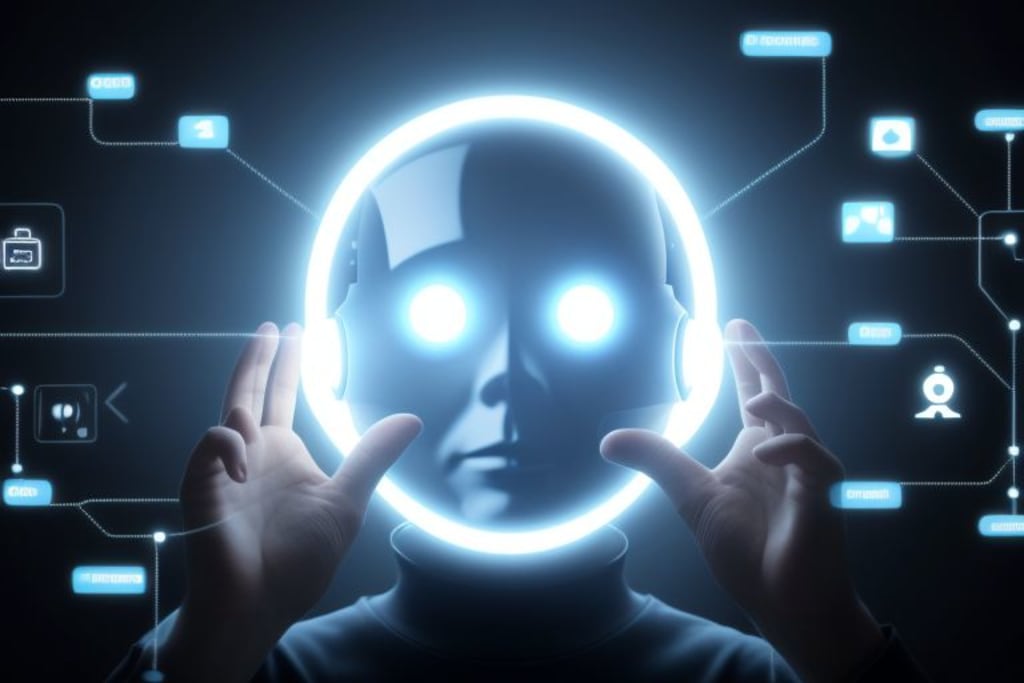
How artificial intelligence is reshaping creativity and opening new possibilities in storytelling.
Storytelling has always been a deeply human activity, rooted in culture, tradition, and emotion. From ancient oral tales to modern blockbuster films, the art of storytelling evolves alongside society and technology. With the rise of artificial intelligence (AI), a new chapter in the history of storytelling is being written. AI is not only enhancing the creative process but also challenging our understanding of what it means to tell a story.
1. The Role of AI in Modern Storytelling
AI is being used in storytelling across multiple mediums, including literature, film, and video games. By analyzing vast amounts of data, AI algorithms can detect patterns, predict audience preferences, and even generate original content. This capability has opened up exciting possibilities for creators.
For example:
Writing Assistance: Tools like ChatGPT help writers generate ideas, draft scenes, and refine dialogue.
Personalized Stories: AI-powered apps create unique narratives tailored to individual preferences, immersing audiences like never before.
Automated Content Creation: AI platforms like Sudowrite and Jasper AI can produce entire short stories or articles based on user prompts.
2. AI-Generated Stories: Creative or Mechanical?
One of the biggest debates surrounding AI in storytelling is the question of creativity. Can a machine truly create, or is it merely mimicking patterns? While AI can analyze and combine elements from existing works, it lacks the emotional depth and lived experience of a human creator.
However, AI-generated stories are not devoid of value. They:
Serve as a springboard for human creativity.
Provide fresh perspectives by recombining ideas in unexpected ways.
Enable creators to experiment without the pressure of starting from scratch.
3. Interactive Storytelling in Video Games
AI has revolutionized storytelling in video games by enabling dynamic, interactive narratives. Games like The Witcher 3 and Detroit: Become Human use AI-driven systems to create branching storylines that adapt to player choices. This innovation allows players to feel like active participants in the story rather than passive observers.
Additionally, AI-driven NPCs (non-playable characters) enhance immersion by responding realistically to player actions. This adds depth and replayability to gaming experiences.
4. The Ethical Implications of AI Storytelling
While AI brings immense potential to storytelling, it also raises ethical questions:
Authorship and Ownership: Who owns an AI-generated story—the creator of the algorithm or the person who provided the input?
Cultural Bias: AI systems can unintentionally perpetuate biases present in their training data, leading to problematic narratives.
Impact on Jobs: As AI takes on more creative tasks, concerns about job displacement in the creative industries are growing.
These challenges highlight the importance of ethical oversight and transparency in the use of AI for storytelling.
5. AI as a Collaborative Tool, Not a Replacement
The best use of AI in storytelling is as a collaborator, not a replacement for human creativity. Writers, filmmakers, and game developers can use AI to:
Generate ideas and plot outlines.
Analyze audience feedback and improve their work.
Automate repetitive tasks, freeing up time for more creative pursuits.
For instance, Pixar and Disney have used AI to refine animations and enhance visual storytelling, combining technical precision with human artistry.
6. The Future of AI and Storytelling
As AI continues to advance, the boundaries of storytelling will expand even further. Imagine:
Immersive Experiences: Personalized, AI-driven stories that unfold in real-time, adapting to the emotions and decisions of the audience.
Cross-Media Integration: AI systems that seamlessly connect books, films, and games into unified narratives.
Universal Accessibility: AI-powered translation tools that make stories available to audiences in every language.
These possibilities suggest a future where storytelling becomes more inclusive, innovative, and immersive.
Conclusion: The Next Chapter in Storytelling
AI is not here to replace human storytellers but to empower them. By leveraging the unique strengths of AI, creators can push the boundaries of their imagination and craft stories that resonate with audiences in new and profound ways. The future of storytelling is a partnership between human creativity and machine intelligence—a future where every story has the potential to be extraordinary.
About the Creator
Raul Claudiu
I m a dreamer
Keep reading
More stories from Raul Claudiu and writers in 01 and other communities.
The Small Habits That Lead to Big Success
When we think of success, we often imagine extraordinary achievements accomplished through significant effort or groundbreaking ideas. However, success is rarely the product of one monumental action. Instead, it stems from small, consistent habits that build over time. These habits may seem insignificant in the moment, but their cumulative effect can be life-changing.
By Raul Claudiuabout a year ago in Motivation
Apple Event 2026: Five Brand-New Apple Products Coming This Year
Apple is doing something it almost never does. This year, we’re getting five all-new, never-before-seen Apple products, and that alone makes 2026 feel special. Especially when you look back at recent years—last year gave us just the iPhone Air, and the year before that was basically the Vision Pro show.
By Info Post Gate4 days ago in 01




Comments
There are no comments for this story
Be the first to respond and start the conversation.