
A Timeless Allure: Exploring the World of Antique Primitives
A Timeless Allure: Exploring the World of Antique Primitives
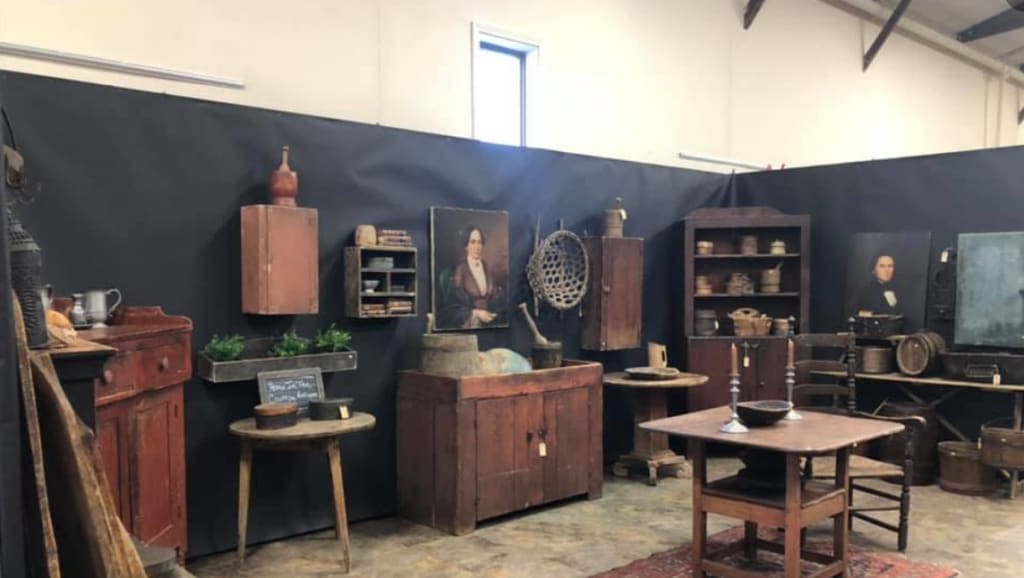
The warmth of hand-crafted wood, the charm of chipped paint revealing layers of history, the simple functionality of a bygone era – these are the qualities that define antique primitives. More than just old objects, primitives are tangible pieces of the past, whispering stories of everyday life and reflecting the ingenuity of simpler times. This article delves into the captivating world of antique primitives, exploring their definition, history, types, collecting tips, and the enduring appeal that continues to draw collectors and decorators alike.
Defining Antique Primitives: Beyond Age Alone
While age is a factor, the true essence of an antique primitive lies in its simplicity, function, and connection to a bygone era. Unlike fine antiques with ornate details and often pristine condition, primitives are characterized by:
Handcrafted Simplicity: A Celebration of Resourcefulness
Unlike their mass-produced counterparts, antique primitives boast a lack of embellishment and a focus on pure utility. Crafted by hand, often by everyday people using readily available materials like wood, metal, and textiles, these objects reflect a deep understanding of function and a respect for natural resources.
• Material Choice: The use of readily available materials like wood from local forests or wrought iron from recycled scraps speaks to the resourcefulness of the makers. These materials were chosen not just for their affordability, but also for their inherent strength and durability.
• Focus on Function: Primitive pieces were designed with a singular purpose in mind, be it a sturdy table for family meals, a hand-woven rug for warmth and comfort, or a simple iron tool for everyday tasks. The lack of ornamentation reflects a focus on practicality over aesthetics.
• The Beauty of Imperfections: The clean lines and uncluttered forms of primitives create a sense of balance and harmony. This simplicity allows the natural beauty of the materials to shine through, showcasing the inherent grain patterns of wood, the weight and texture of metal, or the rich colors and textures of hand-woven textiles.
Signs of Use: A Testament to Time and Purpose
Dings, dents, worn paint, and visible repairs are not seen as flaws in antique primitives, but rather as badges of honor. These marks tell the story of a life well-lived, of an object that served its purpose faithfully for generations.
• A Living History: Each nick, scratch, and worn patch speaks volumes about the object's past. It might have been used for years in a bustling kitchen, endured countless journeys on a farmer's wagon, or served as a cherished comfort item in a family home.
• The Value of Repair: Visible repairs, like patches on a quilt or replaced hardware on a tool, showcase the ingenuity and resourcefulness of the past. These repairs demonstrate a respect for the object and a desire to extend its lifespan.
• Adding Character and Depth: The signs of use add a layer of character and depth to a primitive piece. A smooth, worn tabletop tells a story of countless meals shared, while a chipped paint finish whispers of years spent in service. These imperfections imbue the object with a unique personality and a sense of authenticity.
Connection to the Past: A Tangible Link to Everyday Life
Antique primitives are more than just decorative objects; they are tangible links to the everyday lives of our ancestors. Each piece offers a glimpse into a bygone era, showcasing the ingenuity and resourcefulness of people who lived in a simpler time.
• Function Before Form: In contrast to the focus on aesthetics in modern design, primitives prioritize function. They were created to meet the practical needs of daily life, reflecting the challenges and realities of the time period.
• Stories Untold: Owning a primitive object allows us to connect with the past on a personal level. We can imagine the hands that crafted it, the tasks it performed, and the lives it touched.
• A Window into Different Lifestyles: By studying the design and construction of primitive objects, we can gain valuable insights into the social, economic, and cultural realities of the time period in which they were created.
In conclusion, the lack of embellishment, the signs of use, and the connection to the past are not merely characteristics of antique primitives, but rather the essence of their enduring appeal. They offer a unique opportunity to appreciate the beauty of simplicity, celebrate the ingenuity of the past, and connect with the stories woven into the fabric of time.
A Glimpse into History: The Evolution of Primitives
The history of antique primitives is intricately linked to the evolution of human society. From simple tools crafted by early civilizations to furniture and household items made by rural communities in the 18th and 19th centuries, primitives offer a glimpse into the lives of our ancestors. Here's a brief historical timeline:
• Early Civilizations (Pre-History - 3000 BC): Stone tools, pottery shards, and basic furniture are some of the earliest examples of primitive objects.
• The Middle Ages (5th - 15th Century AD): Blacksmiths, potters, and woodworkers created functional objects for daily life, including cooking utensils, chests, and simple chairs.
• The Colonial Era (17th - 18th Century AD): Settlers in North America relied on handcrafted furniture, tools, and decorative objects with a focus on practicality. This period saw the rise of American folk art, which often incorporated primitive techniques.
• The Industrial Revolution (18th - 19th Century AD): Increased mass production led to a decline in handmade crafts, but many rural communities continued to create utilitarian objects.
A Collector's Paradise: Exploring Different Types of Primitives
Antique primitives encompass a wide array of objects, each with its own unique appeal. Here's a look at some popular types:
• Furniture: Simple tables, chairs, benches, chests, and cupboards crafted from solid wood are coveted finds. Look for pieces with dovetail joints, pegged construction, and signs of age.
• Textiles: Hand-woven quilts, rugs, and samplers showcase the artistry and practical skills of women from earlier times. Patchwork quilts with faded fabric tell stories of resourcefulness and tradition.
• Metalwork: Wrought iron tools, cooking utensils, candle holders, and decorative pieces offer a glimpse into the craftsmanship of early blacksmiths.
• Folk Art: Paintings on wood, carved figures, and decorative objects featuring simple designs and vibrant colors reflect the artistic expression of rural communities.
• Kitchenware: Dough bowls, stoneware crocks, pottery jugs, and iron skillets embody the functionality and simplicity of early kitchens.
• Lighting: Oil lamps, lanterns, and sconces made from metal or glass were essential for illuminating homes before the age of electricity.
The Statistics Speak: A Growing Market for Primitives
According to a 2023 report by Grand View Research, the global antique market is projected to reach a staggering USD 103.2 billion by 2030. This growth reflects a rising appreciation for unique and well-crafted objects, with primitives playing a significant role.
Here are some interesting statistics specific to antique primitives:
• A 2022 survey by the National Association for the Antiques & Collectibles Industry (NAAC) revealed that 42% of collectors are interested in folk art and primitives.
• Online platforms like Etsy have seen a surge in searches for antique primitives, showcasing their growing popularity amongst younger generations.
• Auctions and antique stores often dedicate sections to primitive objects, with prices varying depending on age, rarity, condition, and craftsmanship.
Beyond Aesthetics: The Enduring Appeal of Primitives
Antique primitives resonate with collectors and decorators for several reasons:
• Nostalgia and Connection to the Past: Owning a primitive object creates a tangible link to a bygone era, offering a sense of history and evoking a sense of simpler times.
• Uniqueness and Character: Each primitive piece is one-of-a-kind, bearing the marks of time and the hands that crafted it. This individuality stands in stark contrast to mass-produced furniture and decor.
• Functionality and Versatility: Primitive objects were designed for everyday use, and many can still be incorporated into modern homes. A vintage dough bowl can be a beautiful centerpiece, while a sturdy work table can add a rustic charm to a kitchen.
• Investment Potential: While not all primitives are high-value investments, certain rare or well-preserved pieces can appreciate in value over time.
• Sustainability and Eco-Friendliness: Primitives are often made from natural, durable materials and showcase traditional craftsmanship. This resonates with an environmentally conscious audience seeking to minimize their environmental footprint.
Tips for the Discerning Collector: Finding Your Perfect Antique Primitive
The world of antique primitives offers endless possibilities for discovery. Here are some tips for navigating the market and finding the perfect piece:
• Develop Your Knowledge: Research different types of primitives, their historical context, and identifying features.
• Determine Your Budget: Prices can range from a few dollars for a simple tool to thousands for a rare piece. Set a realistic budget before you begin your search.
• Shop Reputable Sources: Look for antique stores, shows, and online platforms known for authenticity.
• Inspect Thoroughly: Examine the condition of the piece for signs of repair, damage, and authenticity. Don't be afraid to ask questions!
• Focus on Quality and Craftsmanship: Look for well-constructed pieces using traditional techniques and materials.
• Consider Functionality: Choose objects that complement your existing decor and can be incorporated into your home.
Beyond Collecting: Embracing the Primitive Aesthetic
Whether you're a seasoned collector or simply drawn to the charm of primitives, there are many ways to integrate this aesthetic into your living space:
• Mix and Match: Combine primitive elements like a wooden table with modern chairs and a minimalist rug to create a unique and balanced look.
• Embrace Natural Materials: Use wood, metal, and textiles to create a sense of warmth and texture in your home.
• Highlight the Beauty of Age: Don't be afraid to display primitive pieces with all their imperfections and patina. They add character and historical depth.
• Incorporate Artwork: Folk art pieces or antique photographs can add a touch of personality and a connection to the past.
• Keep it Simple: Primitives are inherently simple by design. Maintain a minimalist approach to your decor to achieve a cohesive look.
Conclusion: A Celebration of Craft and History
Antique primitives offer more than just decorative appeal. They are tangible reminders of human ingenuity and everyday life in bygone eras. Whether you're a passionate collector or simply appreciate the beauty of handcrafted objects, primitives offer a unique opportunity to connect with history and add a timeless touch to your home. With a bit of knowledge and a discerning eye, you can embark on a rewarding journey into the world of antique primitives and discover the magic these pieces hold.
Finding Your Perfect Primitive on TrueGether
For those seeking a reliable alternative to eBay when searching for antique primitives, TrueGether offers a curated selection. Currently, there are 14 unique antique primitives available for purchase from 4 different sellers on the platform. Interestingly, a vintage antique slicer for cabbage, meats, and cheese holds the title of the top-selling antique primitive at a price of $14.24.
TrueGether boasts a reputation for being a seller-friendly platform with lower fees compared to its competitors. This can translate to more competitive prices for unique antique finds. By regularly checking TrueGether's offerings, you can ensure you don't miss out on the latest additions and potentially score the best deals on your favorite antique primitives.
So what are you waiting for? Start your shopping now!
About the Creator
Keep reading
More stories from Shahla Khan and writers in 01 and other communities.
Stepping Up Your Style: A Guide to Men's Shoes and Accessories
Shoes are the foundation of any man's outfit. They can elevate your look from drab to fab, or leave a lasting negative impression. But with so many styles and options available, navigating the world of men's footwear can be daunting. Fear not, gentlemen!
By Shahla Khan2 years ago in Styled
Is X (Twitter) Down Right Now? X.com Not Working as Users Report Global Outage
If you are asking “Is X not working?”, “Is Twitter down?”, or searching for Twitter down detector right now, you are not alone. Thousands of users across the world frequently report issues with X (formerly Twitter), especially when the platform suddenly stops loading, tweets don’t refresh, or login fails. Whenever this happens, searches like “is x.com down”, “twitter status”, and “twitter not working” start trending on Google and X itself.
By Waqar Khana day ago in 01


Comments (1)
Hey, just wanna let you know that this is more suitable to be posted in the FYI community 😊