
A Slice of History: The History of Pizza
A Slice of History: The History of Pizza
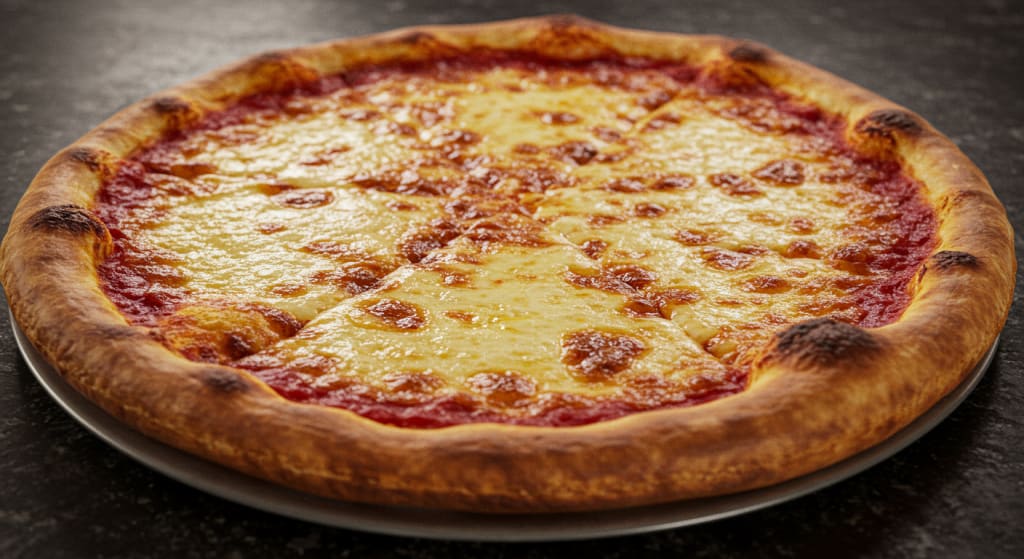
One of the world's favourite foods, served in multiple forms across continents, pizza has come a long way from its humble beginnings as a peasant food to becoming a global culinary phenomenon. The history of pizza is as rich and pungent as its ingredients.
Origins in Ancient Times
While modern pizza is most associated with Italy, the practice of flatbreads topped with all manner of ingredients dates back to thousands of years. Flatbreads cooked on hot stones were eaten by the ancient civilizations of the Egyptians, Greeks, and Romans. Early forms were often topped with herbs, oil, and sometimes cheese or dates.
The Greeks previously consumed a meal called "plakous," a pancake covered with flavorings of cheese, onion, and garlic. The Romans then made something very similar called "pinsa," which was identical in shape and ingredients of the modern pizza. But the deciding ingredient of the modern pizza—tomato—was yet to be discovered.
Arrival of the Tomato
Tomatoes were taken from the Americas back to Europe during the 16th century. They were first thought to be toxic by the majority of Europeans and were grown more for looks than consumption. It wasn't until the 18th century that they became favored by the poor in Naples, Italy, when they began using the fruit on flatbread.
This innovation gave rise to the development of what we now call pizza: a flatbread cooked and topped with tomato and other simple ingredients. Street vendors in Naples started to sell early pizzas to working-class people and the poor. They were cheap, filling, and easy to eat by hand—a great match for the busy lives of the lower class in the city.
The Birth of the Margherita
In 1889, Queen Margherita and the Italian King Umberto I visited Naples. According to legend, the royal couple desired to taste the local specialty food. A pizzaiolo named Raffaele Esposito prepared three various pizzas for them. The favorite among the queen was one topped with tomato, mozzarella, and basil, and it was designed to represent the colors of the Italian flag—red, white, and green.
This pie was named Pizza Margherita in her honor, and it remains one of the most recognizable types of pizza to this day. Although some historians challenge the veracity of this story, it is a pizza legend favorite.
Pizza Comes to America
Pizza was brought to the United States in the early 20th century by Italian immigrants. The first documented pizzeria in the U.S. was Lombardi’s, opened in New York City in 1905. Initially, pizza remained a specialty food found mainly in Italian-American communities.
But post-World War II, American servicemen returning from Italy brought back with them a taste for the delicious pies they had consumed abroad. The popularity of pizza began to gain momentum, and it gained nationwide traction with a vengeance.
In post-war periods, pizza became mainstream. Chain restaurants like Domino's (founded in 1960) and Pizza Hut (founded in 1958) mass-produced and globalized pizza, turning it into a symbol of fast food culture.
Global Variations and Contemporary Trends
Today, pizza is eaten in nearly every country on the planet, regional styles and toppings based on what is locally found. Squid and mayonnaise are popular toppings in Japan. Green peas are utilized in Brazil. Tandoori chicken and paneer are popular in India. Even in Italy, different regions of the country have their own distinct styles, from the thin, crispy Roman pizza to the thick, soft Neapolitan crust.
Pizza has also caught up with the times. Health-conscious eaters demand gluten-free crusts, vegetable-based cheese, and organic products. Upscale pizzas topped with arugula, truffle oil, or smoked salmon have become standards on upscale restaurant menus.
A Timeless Favorite
Despite its many changes and lengthy journey, pizza remains a favorite around the world. Whether delivered from a New York slice joint, a street stall in Naples, or a Tokyo family's kitchen, pizza continues to bring people together over a shared enjoyment of good food.
About the Creator
Keep reading
More stories from writers in 01 and other communities.
Top 10 Ecommerce App Development Companies to Watch in 2026
In an increasingly mobile-first world, ecommerce app development has become central to how businesses reach, engage, and convert customers. From personalized shopping experiences to seamless checkout and omnichannel integration, ecommerce apps are now essential for brands of all sizes. As we move deeper into 2026, selecting the right partner to build your digital commerce platform can make the difference between a thriving marketplace and a missed opportunity.
By Aarti Jangid6 days ago in 01



Comments (13)
This story of the Margherita and pizza in America is still widely believed to be true, and continues to be published. We know that Queen Margherita actually tried an assortment of pizzas in 1880. It is more likely that Esposito made the 1889 story up. Lombardi’s was also not the first licensed pizzeria in NYC. There is evidence of other pizzerias in the 1890s.
One more
Super
Very nice
Brothers its best...
Nice one.
Write more
Best more......
Nice bro..
Wow best article
Very nice..
Awsome
Good..