
A Simple Guide to Understanding Transmissive Optical Encoders in Construction Applications
Transmissive Optical Encoders in Construction

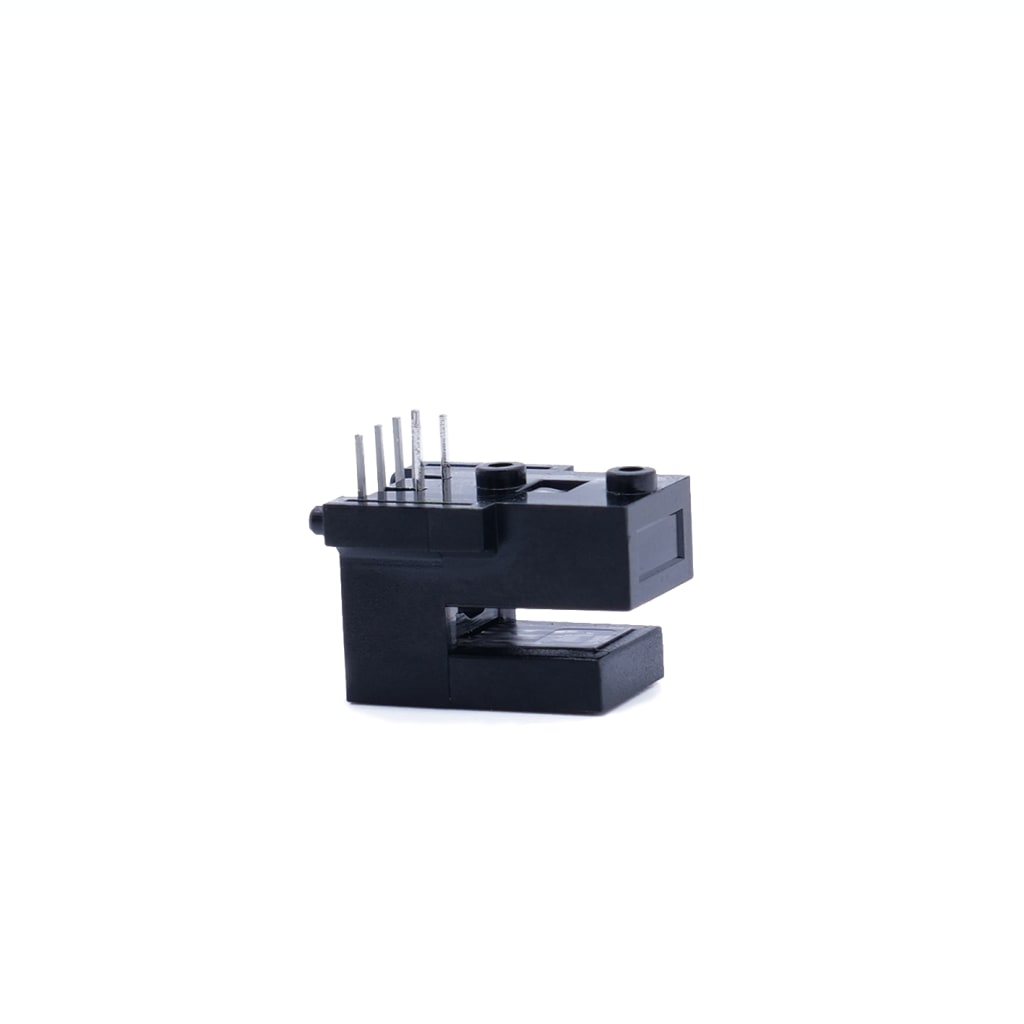
Transmissive optical encoders are vital components in modern construction machinery, offering precise motion and position sensing. These encoders work by passing light through a coded disc to detect movement, helping machines operate with accuracy and efficiency. Whether in cranes, excavators, or automated construction systems, transmissive encoders play a key role in ensuring smooth and controlled operation.
Understanding how transmissive optical encoders function and their benefits in construction applications can help industry professionals make informed decisions when selecting components for their machinery. With this guide, you can get an overview of their working principles, uses, and advantages in construction.
What is a Transmissive Optical Encoder?
A transmissive optical encoder is a type of sensor that detects movement and position by passing a beam of light through a patterned disc. The disc has transparent and opaque segments, which modulate the light beam as it moves. A sensor detects these changes and converts them into electrical signals, which are then processed to determine motion and position.
Transmissive encoders allow light to pass through the disc. This design provides high precision and reliability, making it suitable for demanding applications such as construction machinery. These encoders have applications in various industries; however, let’s move to the working procedure of these encoders.
How Transmissive Encoders Work?
Transmissive encoders consist of three main parts: a light source, a patterned disc, and a sensor. Here’s how they function:
Light Source: A small LED emits a beam of light towards the patterned disc.
Patterned Disc: The disc rotates as the machine moves, and its transparent and opaque sections alter the light passing through.
Sensor: A photodetector captures the light variations and converts them into electrical pulses.
These pulses are then processed by the system’s controller to determine the exact position, speed, and direction of movement.
Now that we have seen how these encoders work, let’s delve into the application side of these encoders.
Applications of Transmissive Optical Encoders in Construction
Transmissive optical encoders are widely used in construction machinery due to their ability to provide precise motion control. Some common applications include:
Cranes and Hoists: They help monitor the lifting height and movement of loads, preventing accidents and improving efficiency.
Excavators: Encoders assist in controlling the arm and bucket movement, ensuring accurate digging and placement of materials.
Automated Construction Equipment: In robotic and automated systems, transmissive encoders offer precise positioning, helping machines work seamlessly in repetitive tasks.
Concrete Mixers and Pavers: Encoders track drum rotation and conveyor belt movement, ensuring proper material flow and mixing.
After applications of transmissive encoders, knowing the benefits of these encoders can be useful for construction industry professionals.
Benefits of Using Transmissive Optical Encoders in Construction
Construction environments demand components that can withstand harsh conditions while delivering reliable performance. Transmissive encoders offer several benefits:
High Precision: They provide accurate position and speed feedback, ensuring precise control of machinery.
Reliability in Tough Conditions: These encoders function well in dusty and rugged construction sites, maintaining consistent performance.
Efficient Operation: By offering real-time data, they enhance the efficiency of construction equipment, reducing errors and improving productivity.
Low Maintenance: With fewer mechanical parts than traditional motion sensors, transmissive encoders require minimal maintenance.
Choosing the Right Transmissive Encoder for Construction Equipment
When choosing a transmissive optical encoder for construction equipment, several key factors should be considered. Durability is essential, as the encoder must withstand harsh conditions, including vibrations, dust, and extreme temperatures. Resolution also plays a critical role, with higher-resolution encoders offering finer position accuracy, which is crucial for precision tasks. Additionally, compatibility is important to ensure seamless integration with the machinery's existing control system. Lastly, environmental protection should not be overlooked—opt for encoders with protective casings to safeguard against dirt and moisture, ensuring long-term reliability in demanding construction environments.
Transmissive optical encoders play an essential role in the construction industry by offering accurate motion and position sensing. Their high precision, reliability, and efficiency make them a valuable addition to various construction machinery, from cranes to automated equipment. By understanding how they work and their benefits, construction professionals can make better choices when integrating these encoders into their operations. Investing in high-quality transmissive encoders manufactured by trusted names like Nozomotion, helps improve safety, efficiency, and overall performance on construction sites.
About the Creator
Nozomotion
Nozomotion is a dynamic innovator revolutionizing the tech landscape with cutting-edge advancements in robotics and automation. Known for blending creativity with precision, they inspire progress, pushing boundaries.
Keep reading
More stories from writers in 01 and other communities.
iPhone 18 Pro & Pro Max: The 10 Biggest Leaks and Rumors You Need to Know
So, here we are in 2026, summer is almost in the rear-view mirror, and that can only mean one thing: Apple season is right around the corner. A brand-new iPhone is coming, and more importantly, a brand-new iPhone 18 Pro and iPhone 18 Pro Max are nearly here.
By Bella Anderson6 days ago in 01




Comments
There are no comments for this story
Be the first to respond and start the conversation.