
A Forward Look at a Greener Logistics Industry with Tech
We explore how technology is fuelling a sustainability revolution in global logistics. From electric vehicles to smart tech, discover how innovations are setting the industry on a greener path.

A Global Commerce
The logistics industry has long been important to global commerce, yet it is also a primary contributor to environmental issues. In an era where sustainability is not just a buzzword but a critical need, the logistics sector finds itself at a crossroads. We delve deeper into the transformative role technology is playing in shaping a more environmentally friendly global logistics supply chain industry.
The Current Landscape of Challenges
There are both environmental and socio-economic implications. Traditional global logistics methods are reliant on fossil fuels, contributing to alarming levels of carbon emissions. Additionally, the extraction and exploitation of natural resources for logistics further deplete an already dwindling global reserve. The industry must balance a complex landscape of consumer demands, governmental regulations, and the ethical obligation to reduce its environmental footprint.
Electric Vehicles: The Future of Transport
One of the most recent more adopted technological advancements in logistics is the shift towards electric vehicles (EVs). Unlike conventional vehicles, which rely on fossil fuels, EVs are powered by electricity, drastically cutting down emissions. Manufacturers like Tesla and Rivian are breaking new ground with electric lorries capable of covering long-haul routes, offering a cleaner, more sustainable alternative to traditional freight options.
Battery Advancements
The rise of EVs has been greatly aided by developments in battery technology. Improved energy density, quicker charging times, and longer lifespan are making batteries more efficient and economically viable. These advancements are critical for the logistics sector, especially for companies aiming to reduce their carbon footprint without compromising on operational efficacy.
Smart Technologies: The Game Changers
Sensors
Smart sensors are changing the way goods are tracked and managed. These sensors not only provide real-time information but can also predict possible disruptions in supply chains, allowing for proactive solutions. This minimises waste and enhances route optimisation, thus contributing to fuel efficiency.
Drones
Drones are becoming increasingly relevant, especially for 'last-mile' deliveries. These unmanned aerial vehicles can quickly deliver packages to customers, reducing the need for short-haul vehicle trips that are often inefficient and energy-consuming.
Telematics and Autonomous Vehicles
Advanced telematics systems offer real-time analytics that can monitor various aspects of logistics operations. From fuel consumption to route optimisation, telematics can provide invaluable insights that drive sustainability.
The advent of autonomous or self-driving vehicles further minimises human error, a factor that often leads to inefficiencies like route deviations and idle times, which in turn contribute to higher emissions.
Policy Framework and Emission Control
Technological advancements are also impacting on government policy-making. Real-time emissions tracking enables companies to self-regulate and adhere to governmental guidelines more efficiently. Technology aids in data collection and interpretation, which is crucial for implementing policies designed to reduce carbon emissions.
Beyond Compliance
Today, environmental responsibility is not just about meeting legal requirements; it's a competitive differentiator. Modern consumers are well-informed and prefer aligning with brands that show environmental thinking. Therefore, adopting sustainable technologies is not just an ecological decision but also a strategic business move.
Sustainable Future in Logistics
In an industry historically associated with environmental challenges, technology offers a compelling path to sustainability. Whether it's the electrification of freight vehicles, smart tracking technologies, or data-driven decision-making, opportunities for eco-friendly transformation are abundant. This isn't merely an option for the logistics sector; it's an imperative for its long-term viability and a crucial contribution to global sustainability efforts.
We at Uproot Technologies Are a Keen Observer of Sustainable Trends
Uproot Technologies, a key player in global freight services, has a vested interest in these sustainability advancements. The company recognises the transformative power of technology in shaping a more sustainable logistics landscape. With an eye on the future, Uproot Technologies is continuously evaluating these emerging trends to identify potential areas of implementation that align with both their strategic goals and environmental responsibilities.
About the Creator
Keep reading
More stories from David Chan and writers in 01 and other communities.
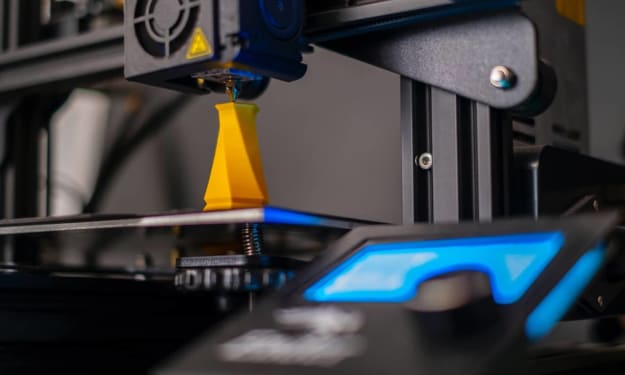
3D Printing and Logistics: A New Dimension for Supply Chains
What is 3D Printing? 3D printing, also known as additive manufacturing, is a process that creates three-dimensional objects from a digital file. Layers of material are added one at a time, allowing for highly customised and complex designs. Originally developed for prototyping, the technology has matured to a point where it's now used for full-scale production in various sectors like manufacturing, healthcare, and aerospace.
By David Chan2 years ago in 01
Global Security Market Size and Forecast 2025–2033: Protecting a Digitized World in an Era of Rising Threats
Global Security Market Overview The global security market is entering a decisive phase of expansion as governments, enterprises, and institutions confront an increasingly complex risk environment. According to Renub Research, the Security Market is expected to grow from US$ 142.66 billion in 2024 to US$ 264.71 billion by 2033, registering a strong CAGR of 7.11% from 2025 to 2033. This growth reflects the convergence of digital transformation, rising geopolitical tensions, urbanization, and escalating cyber and physical threats worldwide.
By Renub Research6 days ago in 01
Candace Owens pushes theory Charlie Kirk was 'time traveller' who went to 'X-Men school'
In a recent episode of her podcast, Candace Owens said Charlie Kirk told her he was a “time traveler” who was sent to “X-Men school,” and alleged he was monitored since childhood.
By Dena Falken Esq6 days ago in 01


Comments