
3D Printing and Logistics: A New Dimension for Supply Chains
Discover how 3D printing is revolutionising logistics by simplifying supply chains, reducing shipping needs, and cutting costs. Explore its impact across various industries.
What is 3D Printing?
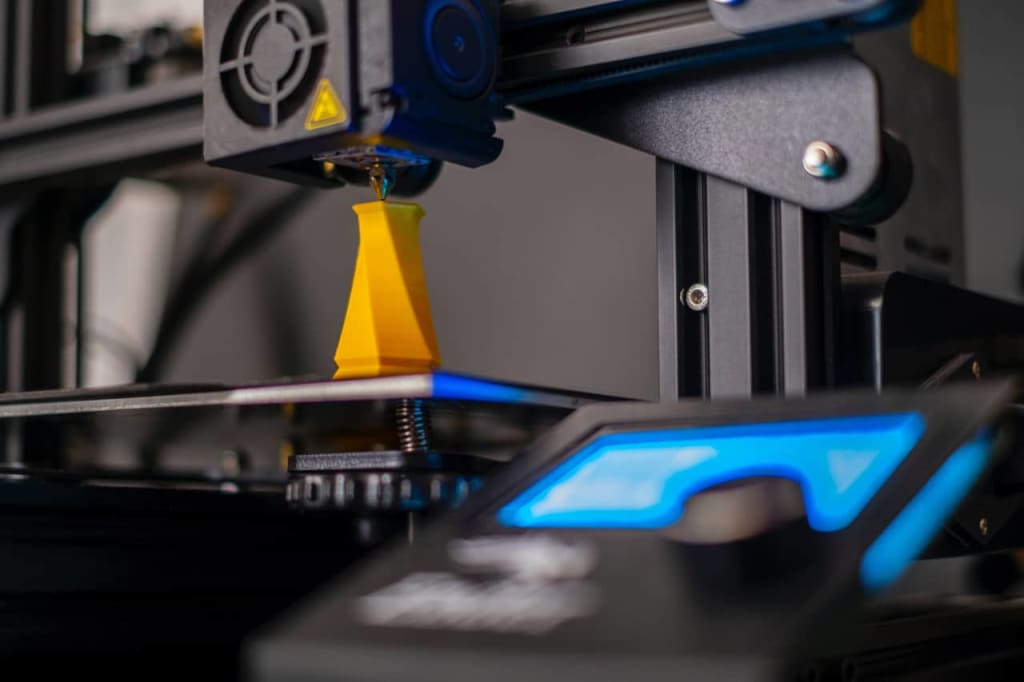
3D printing, also known as additive manufacturing, is a process that creates three-dimensional objects from a digital file. Layers of material are added one at a time, allowing for highly customised and complex designs. Originally developed for prototyping, the technology has matured to a point where it's now used for full-scale production in various sectors like manufacturing, healthcare, and aerospace.
Benefits of 3D Printing
Simplified Supply Chains
Traditional manufacturing often involves multiple steps: raw materials are shipped to a factory, parts are produced and then sent to another location for assembly, and finally, the finished products are transported to distributors. 3D printing can consolidate many of these steps, allowing for on-demand production closer to the point of consumption and thereby reducing the need for extensive shipping.
Reduced Transport Costs
As 3D printing reduces the need for transporting goods over long distances, the cost savings in freight and logistics can be substantial. Products can be printed on-site or nearer to where they are needed, reducing not only distance but also the time and complexity involved in moving goods.
Storage and Warehousing
3D printing allows for just-in-time manufacturing, minimising the need for storing large amounts of inventory. This can result in significant cost savings on warehousing.
Low-Cost Production
3D printing enables cost-effective short-run and customised manufacturing. Businesses don't need to invest in expensive moulds or tooling, and economies of scale become less relevant, making it easier for small companies to compete.
Less Wasted Material
The additive nature of 3D printing means that only the material necessary to create an object is used, reducing waste. This is in contrast to subtractive manufacturing processes, like machining, where material is removed to create a product.
Limitations and Challenges
Material Constraints
While the range of materials available for 3D printing is growing, it is still limited compared to traditional manufacturing methods.
Regulatory Hurdles
Given its relative novelty, 3D printing faces a complex regulatory landscape that can vary from one jurisdiction to another, affecting both production and distribution.
Energy Costs
Some critics argue that 3D printing can be energy-intensive, particularly for metal-based processes, which could offset some of its environmental benefits.
Industries That Stand to Benefit
Healthcare
Customised prosthetics and medical devices can be produced more efficiently and closer to where they are needed.
Automotive
Car manufacturers can produce parts on-demand, reducing lead times and inventory costs.
Aerospace
The ability to create lightweight, complex components is a significant advantage in an industry where every gram counts.
Retail
From customised clothing to personalised gadgets, 3D printing offers new possibilities for consumer products.
Potential to Revolutionise Logistics and Supply Chains
3D printing has the potential to revolutionise logistics and supply chains, delivering cost savings and efficiency gains. However, the technology is not without its challenges, including material limitations and regulatory hurdles. Despite this, industries from healthcare to aerospace are finding compelling applications for 3D printing, pointing the way to a more streamlined and flexible future for global trade.
Reduced Dependence on Importer of Record Services
One interesting consequence of the widespread adoption of 3D printing in supply chains could be a reduced need for services like those provided by an Importer of Record (IOR). Traditionally, the IOR plays a vital role in managing the complexities involved in importing goods across international borders, handling the likes of customs documentation, duties, and compliance with local regulations.
However, as 3D printing encourages localised, on-demand production, many goods that would have once been imported may now be produced locally. This shift could simplify the logistics landscape significantly, reducing the regulatory and compliance burdens traditionally associated with international shipping. While there will always be some goods that require traditional importing methods, the streamlined supply chain that 3D printing offers could make the role of the Importer of Record (IOR) less central than it has been in the past.
By facilitating more localised production, 3D printing offers a way to circumvent some of the more onerous and costly aspects of international trade, potentially revolutionising not only how goods are made, but also how they are moved around the world.
About the Creator
Keep reading
More stories from David Chan and writers in 01 and other communities.
Jeff Bezos Denies Polymarket Claim, Rekindling Debate Over Fake News on Betting Platforms Camila Grigera Naón
Polymarket has become embroiled in a scandal regarding a social media post it made about Amazon founder Jeff Bezos. The prediction market claimed he had recently recommended younger entrepreneurs to work regular jobs before starting a business.
By Dena Falken Esqa day ago in 01
From Code to Capital: The Impact of Fintech Software on Finance
In the last decade, the world of finance has been quietly transformed by lines of code. What once were dusty ledgers and slow bank queues have evolved into instant payments, smart investing, and digital money movement. The force behind this shift? Fintech software — the technology enabling financial services to be faster, simpler, and more accessible than ever before.
By Aarti Jangid2 days ago in 01



Comments