
6 Essential Steps to Making Your Home Safer and Healthier
Here are some steps to making your home a safer place to live.
Creating a safe home environment is essential for your well-being and peace of mind. From preventing fire hazards to securing entry points, a few proactive steps can significantly reduce risks and increase comfort. Below are key areas to focus on, along with practical tips to make your home a safer place for everyone.
Learning Fire Safety
Fire safety is a fundamental part of protecting your home. Start by installing smoke alarms on every floor and outside sleeping areas, ensuring they are tested monthly and have functional batteries. Keep a fire extinguisher in high-risk areas like the kitchen, and learn how to use it properly. Avoid overloading electrical outlets, and unplug appliances when not in use, especially in spaces with high power consumption. It’s also wise to develop a fire escape plan and ensure everyone in the household knows it well. Regularly checking for frayed wires and keeping flammable materials away from heat sources can go a long way in avoiding dangerous incidents.
Securing Entry Points
Your home’s doors and windows become the first line of defense against intruders. Make sure all entry points are fitted with sturdy locks—preferably deadbolts for exterior doors—and consider adding a peephole or security chain. Reinforce sliding doors with a metal rod in the track to prevent them from being forced open. Outdoor lighting, particularly motion-sensor lights, can deter potential threats by eliminating dark hiding spots around your property. For added peace of mind, consider investing in a home security system with alarms or cameras to monitor activity and notify you of any breaches.
Childproofing
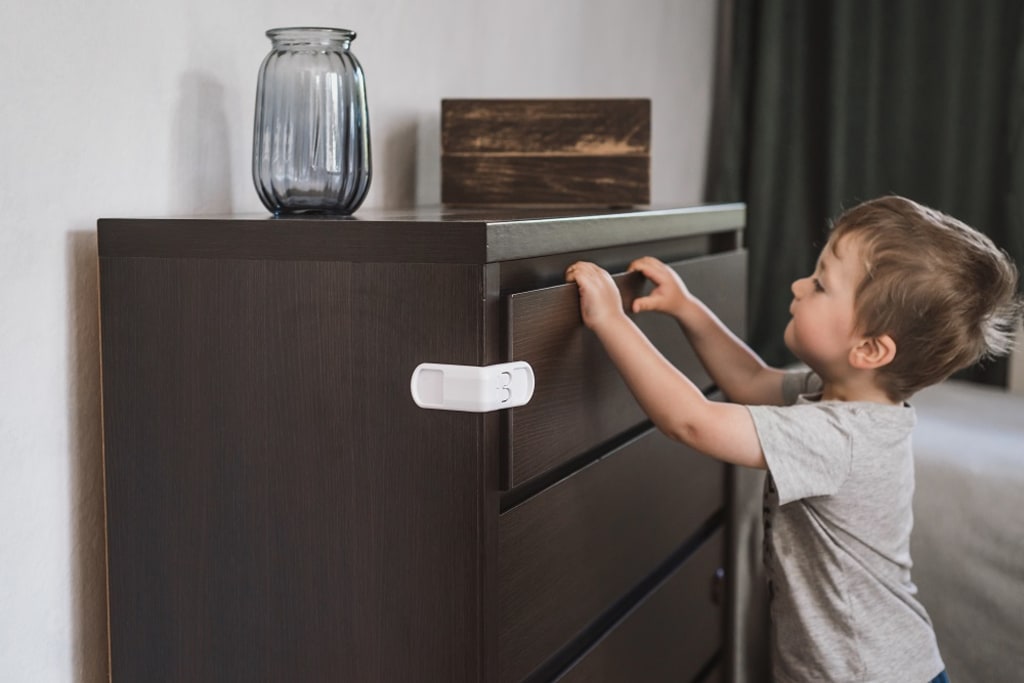
If you have children at home, childproofing is essential to create a safe environment for them to explore. Install safety gates at the top and bottom of staircases and secure heavy furniture, like bookshelves and TVs, to the wall to prevent tip-overs. Use outlet covers to eliminate electrical hazards and lock away any hazardous substances like cleaning supplies, medications, and sharp tools in cabinets with childproof locks. Don’t forget to add padding to sharp table edges and keep small objects out of reach to reduce choking risks.
Preventing Slips and Falls
Falls can cause serious injuries, especially among young children and older adults. To prevent accidents, ensure all walkways and staircases are well-lit and clear of clutter. Use non-slip mats in areas prone to moisture, such as the bathroom and kitchen, and securely fasten rugs to avoid tripping. Handrails on stairs and grab bars in bathrooms are excellent additions for extra stability. For outdoor areas, keep pathways level and free of ice, water, or debris to ensure safe access in all conditions.
Maintaining Air Quality
The quality of the air inside your home affects both your comfort and health. Poor air quality can lead to respiratory issues, allergies, or headaches, so it’s crucial to keep your home well-ventilated. Use exhaust fans in the kitchen and bathroom to reduce humidity and prevent mold growth. Change HVAC filters regularly to keep your air clean, and consider using an air purifier if you live in a high-pollution area. Avoid using harsh chemicals for cleaning and opt for natural alternatives when possible. Small adjustments like these contribute to a healthier and more comfortable indoor environment.
Testing for Hazards
Testing for hazards like asbestos and mold is crucial, especially in older homes where these risks are more common. Both can pose severe health threats, so prompt action is necessary. Homes constructed before the 1980s may have asbestos in building materials, requiring professional testing and certified removal to avoid releasing dangerous fibers. Mold, on the other hand, can trigger respiratory problems and allergies, making testing essential if you detect damp spots, musty smells, or visible growth. To address mold, repair leaks, lower humidity with a dehumidifier, and clean small areas using appropriate products. For more severe cases, professional inspections or removals, such as through companies like Alvarez Construction & Environmental Services, LLC, can provide effective solutions. Proactively addressing these hazards ensures a safer and healthier living space.
Making your home safe doesn’t have to be overwhelming. By addressing these key areas—fire safety, entry-point security, childproofing, accident prevention, air quality, and hazard testing—you create a living space that prioritizes safety and well-being. Regular inspections, mindful practices, and professional testing can help you stay ahead of risks while ensuring your household is safe, healthy, and comfortable.
About the Creator
Keep reading
More stories from Kara Masterson and writers in 01 and other communities.
An Essential Guide to HVAC Maintenance
Maintaining your HVAC (heating, ventilation, and air conditioning) system is crucial for keeping your home comfortable year-round. Regular maintenance not only ensures your system runs efficiently but also extends its lifespan and helps you avoid costly repairs. Below, we’ll explore the key aspects of HVAC maintenance, common tasks that should be performed, and tips for keeping your system in top shape between professional inspections.
By Kara Masterson12 months ago in 01
2026 Reality How Mobile Apps Are Developed Now
In 2026, the question how are mobile apps developed no longer describes a linear build process. It reflects a structural shift inside the Google ecosystem where AI Retrieval, Zero Click discovery, and entity-level evaluation now determine whether apps gain visibility, authority, or fade into functional obscurity.
By Mary L. Rodriquez5 days ago in 01


Comments
There are no comments for this story
Be the first to respond and start the conversation.