
5 Reasons Why Small Business Cyber Security Matters
71% of Small and Medium Businesses have been attacked at least once in their lifetime and 66% have been attacked within the last year (Keeper Security - Ponemon Report). So, if you think you are just a small fish and hence, safe from cyber-attacks, think again!

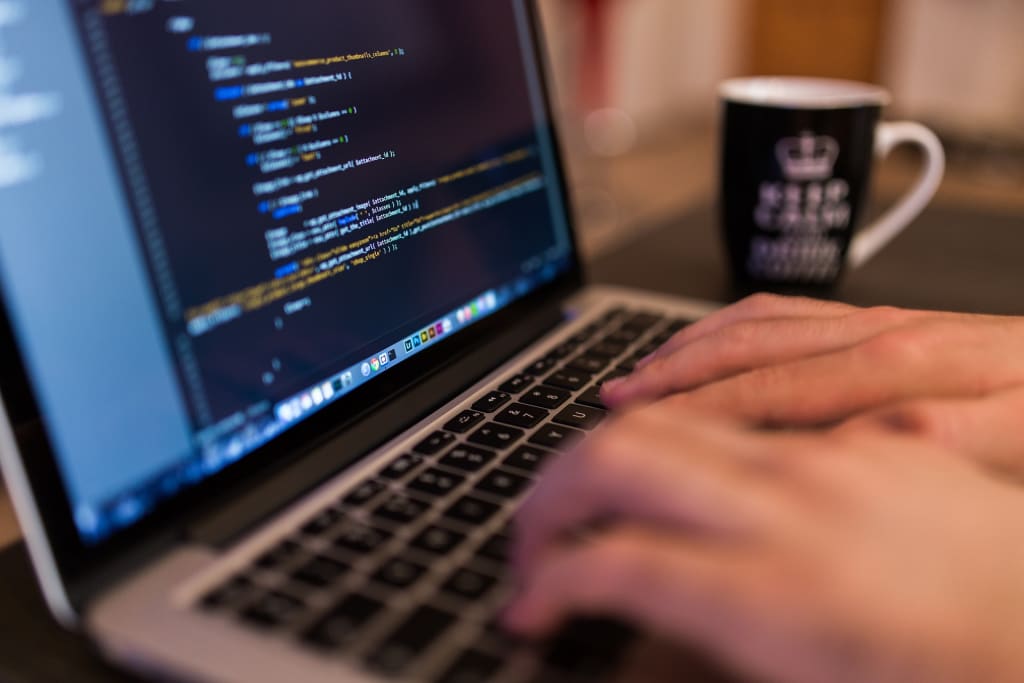
Small and medium businesses (SMB) are at a higher risk of falling prey to cyber-attacks. Being an SMB owner is not an easy task. You must wear many hats at a time. In addition to everything else, the responsibility of saving your business from cyber-attacks falls on their feeble shoulders. In a survey conducted by CISO Mag, 60% of the small business lacked cybersecurity.
Due to the onset of the pandemic of COVID-19, many small businesses have their employees working from home. This has added to the risk of cyber-attacks as the physical protection of the devices used by the employees has become almost impossible. Keeper Security Ponemon report of 2020 concludes that the organizations’ IT security posture has lost its effectiveness from a pre-COVID-19 71% to just 44% due to the pandemic.
The prime reason why the breach in cybersecurity matters more than their counterparts is that 60% of small businesses that are victims of cyber-attacks succumbs to the business losses within six months, says the Ponemon Report. 99.9% of all businesses in the United States are small businesses (having less than 500 employees). If we look at this data, it is evident that small businesses should focus on fortifying themselves against potential cyber-attacks.
5 Reasons Why Small Business Security Matters:
On February 8, 2021, amid the emergencies due to the pandemic, another emergency hit Dax-Côte d’Argent hospital in the South of France as a cybersecurity attack by Egregor ransomware. It was revealed by the cybersecurity expert Avast that patient care was impaired due to the attack and the staff had to resort to pen and paper method for patient care. The ransomware disrupted all the departments of the hospital and it might take weeks to restore things to normal. Egregor ransomware had mounted its preferred “double-tap attack” in which the data is not only exfiltrated but is also encrypted. They are responsible for at least 150 attacks according to the FBI including attacks on Kmart, Randstad, and Ubisoft. This is a classic example of a small business being adversely affected due to critical software vulnerabilities. Following map shows countries targeted by Egregor Ransomware:
As a small business owner cybersecurity might be the last priority on your list. However, if you read the above-mentioned statistics and still failed to have an a-ha moment, we will give you a few more reasons why your business, although small, is at the risk of being targeted by the attackers.
Small businesses have less security:
The attackers automatically assume, and sometimes correctly, that the small businesses will have less stringent security. Overall, small businesses have limited resources to work on. Most of the time, the entrepreneurs fill in the gap themselves.
In the initial stage of the business, the entrepreneurs do not have enough manpower to take care of all the tasks. A big proportion of manpower is focused on starting the business efficiently, generating new ideas to take over the market, setting up processes and people at various levels, and other tasks for the business setup. Cybersecurity drops from their immediate view. Even if they have invested in antiviruses and basic anti-malware, they cannot spare enough people to keep a check on everything.
Additionally, the small business entrepreneurs do not have enough earnings in the first few years to finance first-rate security. Their lack of experience, as well as knowledge, leads the door open to criminals who target them for attacking.
The data collected by small businesses is huge:
When entrepreneurs start a business, they generally collect data from different sources to feed their research and development. Many attackers are more interested in data than in money. Small businesses lack money sometimes, but they might be a rich source of data. The data collected can be further used by the criminals to con a different company in a different way. There is no limit to how they can use the data obtained by attacking a small enterprise.
One of the major purposes to attack small businesses is if they are in some way related to a big corporation. It might prove difficult to hack into the system of a large enterprise but information about it can be obtained in the systems of their contractors, or suppliers of small parts, or simply the company providing them some services. By catching the small fish, the attackers might be eyeing the whale.
Repercussions of the attack on small business are less:
When the company is big and has numerous resources at its disposal, they have security protocols and specialized experts to deal with hackers. Despite the precautions, if they get hacked, they can appoint lawyers and other people to penalize the criminals who have breached their systems. However, when a similar breach is done in a small company, they might go out of business due to the losses. Nobody in the company would be left standing after the attack who can fight the hackers and bring the money back.
With hardly any fear of repercussions, the attackers have a comparatively simpler task in hacking the security of a small company.
The reputation of your business is at stake:
In case the data of the small company is stolen, the clients will think twice before dealing with them again. They will prefer to move their business elsewhere rather than risk the chances of another attack. The small enterprise will quickly lose its hard-earned standing in the market. This is the additional blow along with the loss due to the hack.
On average, a small company hack will cost its owners $190,000/-, as per the Ponemon Report, which itself is too huge a loss to bear. On the other hand, for the hacker, the hacking can be profitable by attacking a large number of small companies whose collective loss can amount to millions of dollars.
Data breaches by insider threats:
The danger of data breaches is not only outside but is also lurking within the organization. A dissatisfied or a disgruntled employee might choose to seek revenge by leaking the secured information to an outsider. Without knowing the full consequences of his actions such an employee might pose a serious threat to the organization.
The worst part about such a data leak is, there can be no indications as to which employee will be a threat to the organization’s safety before the breach actually happens. Competitors might take the advantage of such employees and their situation to damage the reputation and finances of the company.
It is imperative that the organization keep sensitive information on a need-to-know basis from the employees. Secondly, such information should also not be available to any employees on their personal devices. Appropriate authentication for the access of information is a must. These steps can prevent data leaks to a certain extent.
Steps To Be Taken For The Security Of Small Business:
Cybersecurity should be considered a priority in the management of small businesses. Safety cannot be guaranteed but is to be earned by putting in efforts and investment. The following steps can be a guide to the cybersecurity of small businesses.
Investment in cybersecurity
There are no free meals in the world, if you want the benefits you must pay a price. Cybersecurity of an enterprise is something the entrepreneur should invest in. It will be beneficial in the short as well as long run. Proper firewalls will provide you with barricades to defend yourself against security threats. Employees working from home should also have firewalls installed on their systems to prevent attacks through them. Antimalware and other security software should be bought, installed, and regularly updated.
Having a few people assigned to the cybersecurity of the firm is crucial. The cost-benefit analysis of this personnel will reveal that they are protecting the organization against more formidable enemies than physical ones.
Having a formal cybersecurity policy document
If you have an employees’ handbook then why don’t you have a handbook to guide your employees to be vigilant against cyber threats? Documenting all your policies and making them available to your employees will help them to patch in the vulnerabilities online. The U.S. Small Business Administration website gives detailed guidelines about cyber threats and how to deal with them. You can update yourself with the latest trends by attending online training provided by them and download the checklists and other material to assist you in securing your business.
Use secure connections
The Wi-Fi of your organization should be secure and hidden. Nobody except the authorized people should be able to login to the connection. There should be a strong password to secure the Wi-Fi. If you are using a web hosting service, or a cloud service, make sure the data does not leak from the servers of the services. Check their security before employing them.
WFH or BYOD
Work from home and bring your own device has become an accepted policy worldwide. There should be stringent policies for both situations that should be recorded and communicated to the employees. Authentication of any device used by the employees like smartwatches, or other wireless devices should be observed. Strong passwords should be used to reduce the risks of an attack.
Training of the employees
Regular training of the employees about cyber threats is important. They should be aware of what is lurking behind their views. Random checks should be made to ensure that the employees are following the protocol and policies set up by the management.
Password policies
Did you know that 63% of the data breaches happen due to the breach in passwords? And, 65% of the SBMs do not follow the password policies set up by the company? As shocking as this data is, it is authenticated by the Ponemon Institute. If the company does not have a password policy, then they should form one immediately mentioning important factors like the minimum length of the password, type of characters used, and the maximum amount of time before which the password should be changed. This policy should be adhered to in order to prevent hackers from using this route to hack the systems.
Wherever required, the employees should be encouraged to use multifactor identification for better security. For relatively important information multifactor identification should be made compulsory to ensure the privacy of the data and also make it rather impossible to hack.
Regular Backups
We simply cannot be certain that an enterprise is a cent percent secure even after taking all the precautions. However, we can reduce the effect of the blow by having regular backups to assist us when the security is breached. For example, in the above-mentioned situation of a ransomware attack on the hospital, staff would not have been able to continue the treatment of the patients had they not backed up the latest data. In such cases, the historical data is as important as the current data. Not having access to the historical data might lead to serious consequences for the patient in question.
Conclusion
To surmise the article, we cannot emphasize enough the need for cybersecurity for small businesses. It affects the business, the entrepreneurs, the market, and society as a whole. Cyber-attacks might as well be the reason for the next recession, and we should put all our energy into preventing them.
About the Creator
Sam Patel
I am a cybersecurity consultant, tech writer, and regular columnist for Savvy Security. I am currently pursuing my master's in cybersecurity.
Keep reading
More stories from writers in 01 and other communities.
Handbags in Modern Fashion: Design, Function, and Consumer Perspectives
Handbags have long been more than simple accessories. Historically rooted in utility, they have evolved into cultural symbols reflecting personal style, social identity, and changing fashion trends. Today, handbags occupy a unique space where craftsmanship, branding, and consumer behavior intersect. From everyday carryalls to luxury-inspired designs, the handbag market continues to grow and diversify, especially among women seeking both practicality and visual appeal.
By charliesamuel5 days ago in 01
Understanding Handbags and the Growing Interest in Celine Bags
Handbags have long been more than simple accessories. Historically, they have served as practical carriers for personal items while also reflecting social status, fashion trends, and cultural identity. According to general fashion references, handbags evolved from small utility pouches into structured designs that balance function with aesthetics. Today, they occupy a central role in the global fashion conversation.
By charliesamuel6 days ago in 01




Comments
There are no comments for this story
Be the first to respond and start the conversation.