
10 Ways Virtual Production Saves Time and Budget for Filmmakers
Discover how cutting-edge technology streamlines workflows, reduces costs, and accelerates your creative process.

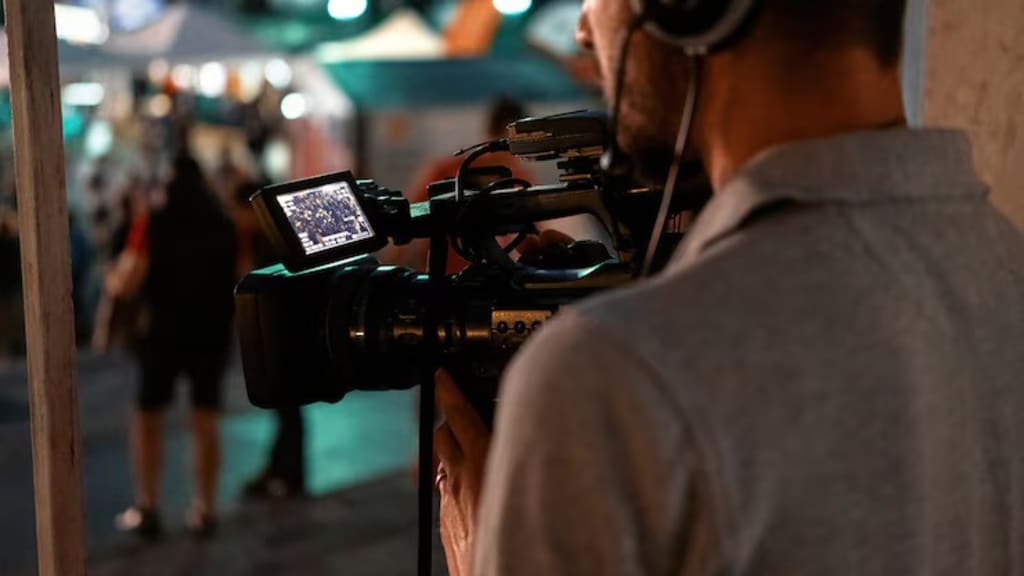
In the fast-evolving world of filmmaking, efficiency and cost-effectiveness are more important than ever. Filmmakers face the constant challenge of balancing creative ambition with budgetary realities. Enter virtual production — a revolutionary blend of real-time technology, LED volumes, game engines, and VFX tools that is transforming the production pipeline. From major studios to cutting-edge hubs like Virtual Production London, this approach is reshaping how films are made. Beyond its wow factor, virtual production offers tangible savings in both time and budget. Here are 10 ways virtual production helps filmmakers do more with less.
1. Eliminates the Need for Expensive On-Location Shoots
Traditional productions often require travel to multiple locations, involving transportation, accommodation, permits, and location fees — all of which add up quickly. With virtual production, entire worlds can be created digitally and displayed on LED volumes or green screens. Whether it’s a futuristic city or an alien landscape, directors can shoot scenes without leaving the studio. This significantly reduces travel costs, location rentals, and logistical complexities.
2. Speeds Up Pre-Production with Real-Time Visualization
Pre-production can be one of the most time-consuming stages of filmmaking. Virtual production tools like Unreal Engine allow directors, cinematographers, and production designers to visualize and adjust sets, lighting, and camera movements in real time during pre-production. This means fewer surprises on set, faster decision-making, and a streamlined planning process that saves weeks or even months.
3. Minimizes Reshoots and Fixes in Post-Production
In traditional filmmaking, it’s common to discover during post-production that a shot needs to be redone due to a missing detail or continuity error. Virtual production enables filmmakers to see the final composite live on set, including VFX elements. This real-time feedback reduces the chances of costly reshoots and ensures that what’s captured in-camera is closer to the final product.
4. Reduces Set Construction Costs
Building practical sets can be expensive and time-intensive, especially for elaborate environments. With virtual sets, filmmakers can create complex locations digitally, eliminating the need to construct large, detailed sets physically. Not only does this save on materials and labor, but it also allows for quick adjustments if a change in design is required — no rebuilding necessary.
5. Enables Efficient Scheduling
Because virtual production allows for controlled environments, filmmakers are no longer at the mercy of weather, daylight hours, or uncontrollable external factors. Scenes that would have taken days due to waiting for the perfect conditions can now be shot back-to-back, on schedule, regardless of external conditions. This predictability means tighter production timelines and lower overhead costs.
6. Combines Multiple Elements in a Single Pass
In traditional productions, different components (actors, backgrounds, VFX elements) often need to be captured separately and composited together in post-production. Virtual production merges these elements in real-time. Actors perform against a digital background that responds dynamically to camera movements, lighting, and focus, which drastically reduces post-production compositing and integration time.
7. Cuts Down Travel Time Within Production
On conventional productions, even moving between different sets or locations on a studio lot can burn valuable time. With virtual production, changing a location is as simple as loading a new digital environment. This instant flexibility lets filmmakers move from one “location” to another in minutes, making more efficient use of cast and crew time.
8. Allows Iteration Without Costly Delays
Creative ideas evolve — but traditionally, making a change mid-production (like altering a location’s look or the lighting of a scene) could mean expensive redesigns, rebuilding sets, or waiting for new props. In a virtual production pipeline, changes to digital environments, lighting, or effects can be made quickly and cost-effectively, often in real time. This allows directors to refine their vision without blowing the budget.
9. Reduces Post-Production Timelines
Virtual production front-loads much of what would traditionally be done in post-production. Since many effects, backgrounds, and lighting cues are captured in-camera, there is less need for extensive post work. This not only saves time but also reduces the budget allocated for post-production VFX, editing, and color grading.
10. Facilitates Smaller On-Set Crews
Large location shoots often require a sizable crew to manage equipment, safety, logistics, and set-up. A virtual production environment is more contained and controlled, allowing for smaller, more specialized teams to manage the shoot. Fewer people on set translates to lower payroll costs, less expenditure on catering and accommodations, and reduced liability insurance.
Conclusion: A Game-Changer for Modern Filmmakers
Virtual production isn’t just a technological marvel — it’s a practical tool that helps filmmakers deliver ambitious storytelling within manageable budgets and timelines. Productions like The Mandalorian, Avatar: The Way of Water, and The Batman have demonstrated that virtual production can achieve cinematic scale while saving millions in costs.
While the initial investment in virtual production tools and expertise can be significant, the long-term savings in time, labor, and materials — combined with creative flexibility — make it an increasingly attractive option for filmmakers of all levels.
About the Creator
Quite Brilliant
We are the ‘go to’ Virtual Production Experts for the Advertising and Content market as well as the Long-Form and Movie industry, offering bespoke and end to end solutions.
Keep reading
More stories from Quite Brilliant and writers in 01 and other communities.
The Shocking Truth About VP Studio Technology in 2025
Understanding the VP Studio Revolution What is a VP Studio? At its core, a VP Studio — short for Virtual Production Studio — is a high-tech environment where physical and digital worlds merge in real-time. Instead of relying on traditional green screens and post-production compositing, VP Studios use massive LED volumes, advanced camera tracking systems, and game engine technology (like Unreal Engine) to render dynamic backgrounds live on set.
By Quite Brilliant8 months ago in 01
How Kaito Projects Are Structuring Post-TGE Marketing in 2026?
The Token Generation Event (TGE) marks a critical milestone for any blockchain project, but in 2026, the real challenge begins immediately afterward. The success of a project no longer depends solely on its launch; post-TGE marketing strategies have become essential for long-term growth. Kaito projects, in particular, are designing structured post-TGE strategies that go beyond hype, focusing instead on community engagement, token utility, liquidity management, and long-term sustainability.
By Jack santo4 days ago in 01
Let's Don't Do This
"I just can't do this anymore..." "Do what?" What can't you do? Put gas in your own car? I swear to God you make me take care of everything, don't you? You know I'm on my way to work right now but that never stops you from bothering me, does it?"
By Shirley Belk6 days ago in Fiction


Comments
There are no comments for this story
Be the first to respond and start the conversation.