
10 Ways IoT is Enhancing Elderly Care
Discover How IoT is Revolutionizing Elderly Care: From Health Monitoring to Enhanced Safety and Independence


The aging population is a growing concern across the globe.
With this concern, comes the need for effective elderly care solutions. Fortunately, the Internet of Things (IoT) is stepping up to address these challenges.
In elderly care, IoT devices are making a huge difference.
They are improving the quality of life for seniors, their health outcomes, and increasing their independence.
In this article, we will explore the 10 ways IoT in healthcare is transforming elderly care and improving senior living.
First, Understand IoT and Its Impact on Elderly Care
Before going into the specifics, let’s first understand what IoT is and how it applies to healthcare.
IoT, or the Internet of Things, refers to a network of interconnected devices that communicate and share data through the internet. These devices can range from wearables to smart home devices and health monitoring tools.
In the context of elderly care, IoT works as a bridge between caregivers/healthcare professionals and elders. It helps them monitor seniors’ health remotely, ensuring they receive timely assistance when needed.
With IoT technology for elderly care, we can use these devices to monitor health, ensure safety, and provide peace of mind to both seniors and their families.
Now, let's look at the 10 key ways IoT is enhancing elderly care and improving the lives of seniors.
Use Case 1: Real-Time Health Monitoring
Using IoT-powered wearable health devices such as smartwatches and fitness trackers allows seniors to monitor their vital signs in real-time.
These devices can track things such as:
- Track heart rate
- Blood pressure
- Glucose levels
- Sleep patterns
Data collected from these devices can be transmitted to healthcare providers using IoT. This ensures they can be promptly alerted to any concerning health trends.
Seniors can avoid health problems by monitoring vital signs, and taking preventive measures to recieve timely medical intervention.
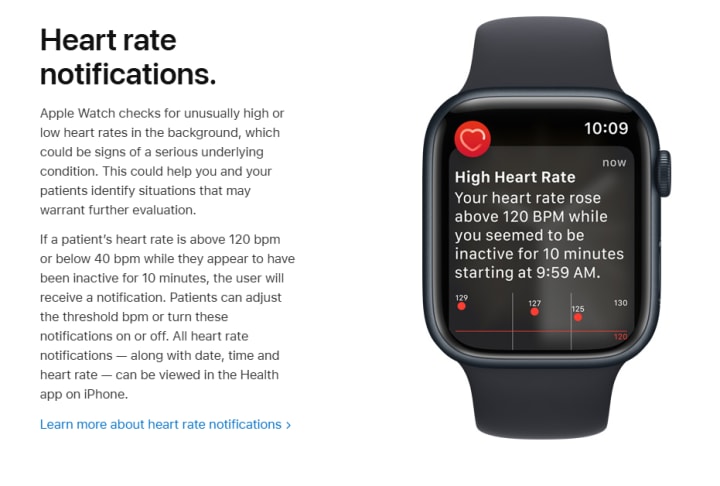
Example: The Apple Watch has become a popular wearable for seniors, offering features like fall detection, ECG, and heart rate monitoring.
Use Case 2: Fall Detection and Prevention
Falls are one of the leading causes of injury among elderly individuals, and IoT technology is making strides in fall detection.
IoT-devices, likeas smart sensors & wearable alert systems, detect when a fall occurs. This immediately alert caregivers or emergency services.
These smart systems can also monitor movement patterns and send notifications when they detect abnormal behavior, helping prevent falls before they happen.
This gives seniors the freedom to move around with greater confidence.
Use Case 3: Medication Management and Adherence
IoT devices are increasingly used to help seniors manage their medications, ensuring they take the right doses at the right time.
Smart pill dispensers and medication reminder systems are designed to alert seniors when it’s time to take their medication. These devices can also keep track of medication usage, reducing the risk of overdose or missed doses.
Example: The MedMinder system provides a smart pill dispenser that reminds seniors to take their medication and sends alerts to caregivers if a dose is missed.
Use Case 4: Emergency Response Systems
In the event of an emergency, IoT-powered personal emergency response systems (PERS) allow seniors to get help quickly. These systems typically consist of wearable buttons or pendants that, when pressed, alert caregivers or emergency services.
With IoT, these systems are more sophisticated, often integrating GPS and real-time data to provide an accurate location of the senior in need of assistance.
Use Case 5: Smart Home Automation for Comfort and Safety
IoT is revolutionizing home automation, enabling seniors to live in a safer, more comfortable environment. Smart home devices—such as voice-activated assistants, automated lighting, and remote temperature control—help seniors manage their homes with ease.
For example, a smart thermostat can adjust the temperature to ensure comfort, while automated lighting can ensure safety by preventing trips and falls in poorly lit areas of the house.
Example: Amazon Echo devices, integrated with Alexa, allow seniors to control lighting, temperature, and even contact caregivers with just their voice.
Use Case 6: Mobility Assistance with IoT Devices
For seniors with mobility challenges, IoT-powered mobility aids such as smart wheelchairs and automated walkers are becoming indispensable. These devices help seniors maintain independence by providing automated functions, like navigation assistance, obstacle detection, and even memory aids for remembering directions within the home.
With IoT integration, these devices can also be linked to healthcare providers for continuous monitoring.
Use Case 7: Improved Social Connectivity and Mental Health
Isolation and loneliness are significant concerns for the elderly, and IoT is offering solutions to help combat these issues. Smart devices like video chat platforms, social networking apps, and virtual companions help seniors stay connected with their families, friends, and caregivers.
Moreover, IoT helps seniors engage in cognitive exercises and mental health apps, ensuring they maintain mental clarity and emotional well-being.
Example: GrandPad is a tablet designed specifically for seniors, making it easy for them to connect with loved ones and access video calls, photos, and games.
Use Case 8: Sleep Monitoring for Better Rest
IoT devices are helping seniors monitor their sleep patterns, ensuring they get the restorative rest they need. Sleep trackers and smart beds can monitor sleep quality, detect sleep apnea, and even adjust bed positioning to improve comfort. By understanding sleep habits, healthcare providers can offer more tailored advice for improving rest.
Example: The Sleep Number 360 Smart Bed uses IoT technology to track sleep and make real-time adjustments for better comfort.
Use Case 9: Chronic Disease Management
Seniors with chronic conditions such as diabetes, heart disease, or hypertension benefit from IoT’s ability to track and manage their health remotely. Devices like blood pressure monitors, glucose meters, and smart inhalers transmit data to healthcare providers, who can adjust treatment plans based on real-time data.
Example: The Dexcom G6 continuous glucose monitor allows diabetes patients to monitor their glucose levels in real time and send the data to their healthcare provider.
Use Case 10: Data-Driven Insights for Personalized Care
IoT devices collect a vast amount of data that can be used to create personalized care plans for seniors. By analyzing this data, healthcare providers can better understand the unique needs of each individual and offer tailored treatments. The ability to track health data over time also helps with early detection of potential health issues, enabling proactive care.
Challenges and Solutions in Implementing IoT for Elderly Care
While the benefits of IoT in elderly care are clear, there are challenges in implementing these technologies effectively.
1. Overcoming Privacy and Security Concerns
Data privacy and security are paramount in healthcare, especially for seniors. IoT devices must adhere to strict security protocols to prevent unauthorized access to sensitive health data. Implementing encrypted communication and secure data storage solutions can help mitigate these concerns.
2. Ensuring Ease of Use for Seniors
Many seniors may find it difficult to interact with complex technology. To address this, manufacturers are designing user-friendly interfaces and simple control systems that are easy to operate, even for those with limited tech-savviness.
Future Trends: What’s Next for IoT in Elderly Care?
The future of IoT in elderly care is incredibly promising. Innovations like AI-powered predictive care, 5G connectivity, and advanced robotics are poised to further enhance the capabilities of IoT devices, making elderly care even more efficient and personalized.
Final Thoughts
The integration of IoT technology in elderly care is changing the way we approach senior healthcare. From real-time health monitoring and fall detection to social connectivity and chronic disease management, IoT is improving the quality of life for seniors and providing peace of mind to their families.
As IoT continues to evolve, we can expect even more innovative solutions to emerge, further enhancing elderly care and promoting independence for seniors.
If you’re interested in learning more about the importance of IoT in healthcare or exploring IoT solutions for elderly care, reach out to us for more information.
About the Creator
Sofia Murphy
I am Sofia Murphy, a mobile apps consultant. I voluntarily write blogs on mobile apps architecture, design, UI/UX, product engineering, and programming languages.
Keep reading
More stories from Sofia Murphy and writers in 01 and other communities.
MLOps vs. DevOps: Key Differences and Similarities
The speed of innovation has become inextricably linked to a company's ability to deliver dependable software and intelligent systems. That is the modern market for you. Anyway, for more than a decade, DevOps has served as the foundational methodology. It has brought together software development and IT operations teams to achieve continuous integration and continuous deployment. But with the rise of AI and ML, a new level of complexity has been created. The kind that traditional DevOps practices cannot fully address. ML models are not like standard application code; their performance is inextricably linked to the quality and evolution of the data they consume. Hence, to bridge the gap between the experimental nature of data science and the rigid demands of production IT, MLOps (Machine Learning Operations) was developed.
By Ryan Williamsonabout 12 hours ago in 01



Comments
There are no comments for this story
Be the first to respond and start the conversation.