
10 Shocking Ways ChatGPT Might Change Society by 2030
Transformative impact on education, healthcare, creativity, and global challenges.
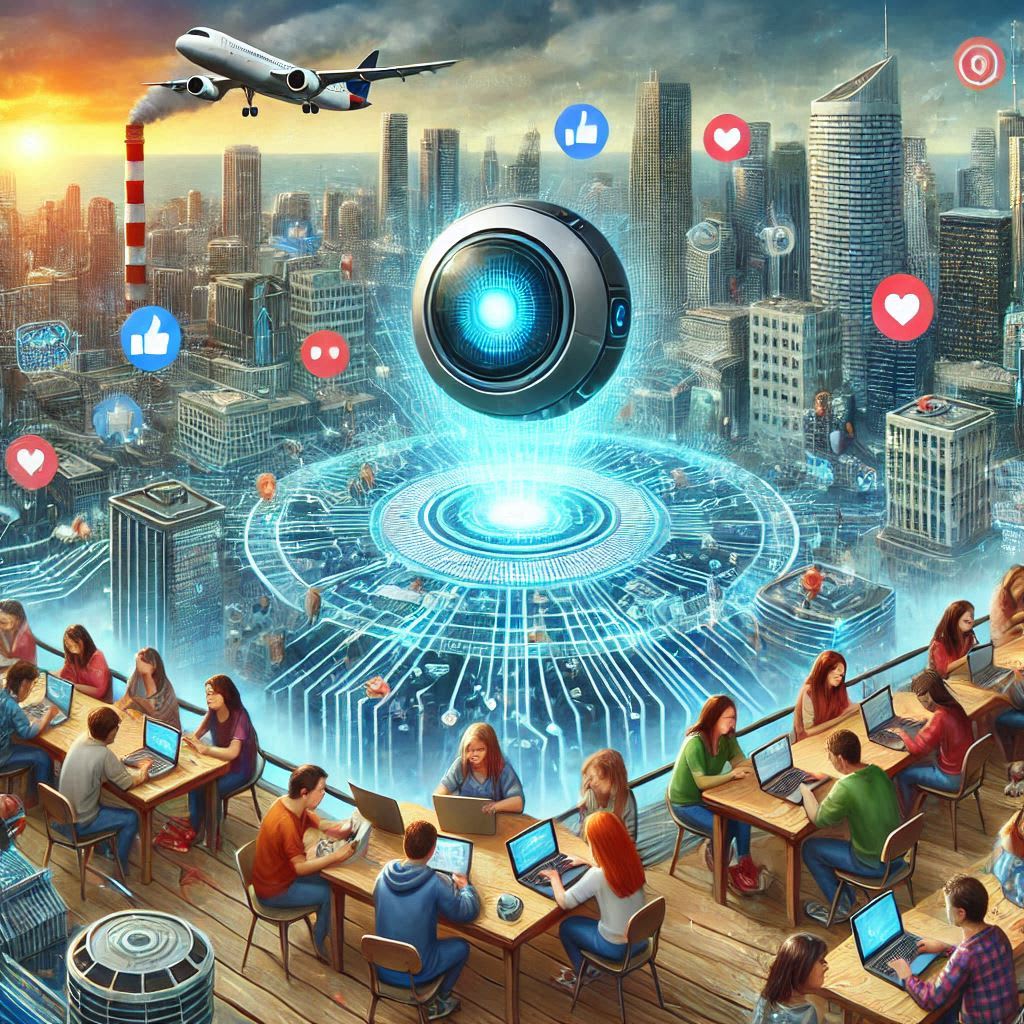
Artificial Intelligence (AI) has already begun to reshape our world, and ChatGPT is at the forefront of this transformation. By 2030, the influence of tools like ChatGPT is expected to ripple across various industries, impacting communication, education, healthcare, and even social structures in unexpected ways. Here are ten shocking ways ChatGPT might redefine society in the next decade.
Introduction
AI-driven tools like ChatGPT are more than just technological innovations; they’re becoming integral to how we live, learn, and work. From automating mundane tasks to revolutionizing industries, ChatGPT holds the potential to reshape our reality. But, are we ready for the seismic shifts it will bring? This article dives into ten surprising ways ChatGPT could alter society by 2030, shedding light on opportunities, challenges, and the future of human-AI collaboration.
1. Redefining Education Systems
ChatGPT is poised to revolutionize how we learn. By 2030, AI-driven personalized learning tools could replace traditional classrooms.
Adaptive Learning Platforms: AI will create tailor-made educational content based on individual needs, helping students progress at their own pace.
AI Tutors: ChatGPT can provide instant feedback and guidance, reducing the need for human tutors.
Equal Access: Developing countries could gain access to high-quality education, narrowing global educational disparities.
However, the overuse of AI in education might erode critical thinking and problem-solving skills, a concern educators will need to address.
2. Transforming Healthcare Delivery
By 2030, ChatGPT’s applications in healthcare could save millions of lives.
Symptom Analysis: ChatGPT-based tools can help users identify potential health issues early.
Patient Communication: Doctors may use AI to simplify complex medical information for patients.
Telemedicine Support: AI-powered consultations could improve remote healthcare access.
Despite these advancements, the ethical challenges of data security and AI's ability to replace human empathy remain critical issues.
3. Revolutionizing Workplace Communication
In the workplace, ChatGPT could streamline communication, boost productivity, and foster innovation.
Automating Administrative Tasks: Expect AI to handle emails, scheduling, and even customer interactions.
Enhancing Collaboration: Teams could use ChatGPT to brainstorm ideas or draft proposals faster.
Multilingual Capabilities: Global businesses will benefit from real-time language translation tools.
By 2030, workplaces might rely so heavily on AI that the demand for soft skills like creativity and emotional intelligence skyrockets.
4. Shifting the Media Landscape
AI will transform how content is created and consumed, reshaping the media industry.
Automated Journalism: ChatGPT can draft news articles, conduct analyses, and create video scripts.
Deepfake Regulation: AI might simultaneously contribute to and help combat misinformation through advanced verification systems.
Custom Content: Media platforms could use AI to deliver hyper-personalized content for users.
The challenge? Ensuring ethical journalism and maintaining creativity in an AI-driven media world.
5. Impacting Social Relationships
By 2030, ChatGPT might redefine how we connect with each other.
AI Companionship: Virtual assistants will evolve into emotionally intelligent "companions" for those seeking connection.
Dating Advice: AI might coach people on relationship-building and communication skills.
Virtual Communities: Online interactions will become increasingly mediated by AI.
While these advancements foster connections, over-dependence on AI for social needs could weaken genuine human relationships.
6. Disrupting Legal and Financial Industries
AI’s ability to analyze and predict trends will redefine decision-making in law and finance.
Legal Assistance: ChatGPT could draft contracts, analyze case law, and provide legal insights.
Financial Planning: Personal finance management will become seamless with AI-driven tools.
Fraud Detection: ChatGPT could enhance cybersecurity by detecting anomalies in financial transactions.
Balancing the automation of complex processes with ethical considerations will be a key challenge.
7. Reshaping Consumer Experiences
The retail and e-commerce sectors will be transformed by AI's capabilities.
Hyper-Personalized Shopping: AI will predict customer needs before they arise.
Virtual Assistants: Expect ChatGPT to assist with everything from choosing products to completing transactions.
Sustainability: AI will optimize supply chains, reducing waste and promoting eco-friendly practices.
However, increased reliance on AI might raise concerns about data privacy and consumer autonomy.
8. Enhancing Government Efficiency
Governments could leverage ChatGPT to improve citizen services and policymaking.
Policy Simulation: AI could analyze potential outcomes of new policies.
Public Services: ChatGPT-powered chatbots could assist with licensing, tax filings, and benefits applications.
Disaster Response: AI could predict and respond to natural disasters more effectively.
By 2030, governments must address concerns about surveillance and AI’s misuse in governance.
9. Revolutionizing Creativity and Art
AI will be a double-edged sword for artists and creators.
AI-Generated Art: ChatGPT and similar tools will produce music, literature, and visual art at scale.
Collaboration Between AI and Humans: Creators will use AI to enhance their craft.
Democratizing Creativity: Anyone with AI access can become a "creator."
The line between human and AI creativity might blur, raising questions about originality and intellectual property rights.
10. Addressing Global Challenges
ChatGPT could play a significant role in solving global issues like poverty, climate change, and disease.
AI for Sustainability: Predicting environmental trends and optimizing resource use.
Health Campaigns: AI could run global health awareness campaigns in multiple languages.
Education for All: Bridging the gap in educational opportunities worldwide.
The risk lies in ensuring that AI-driven solutions are inclusive and unbiased.
Conclusion
ChatGPT has the potential to reshape society by 2030 in profound ways. While its benefits are undeniable, ethical considerations, data security, and the preservation of human skills must remain at the forefront. As we navigate this AI-driven future, a balanced approach will ensure ChatGPT serves as a tool for progress rather than a source of disruption.
FAQs
1. Will ChatGPT replace human jobs?
It might automate repetitive tasks, but new AI-related opportunities will emerge, requiring human oversight and creativity.
2. Can ChatGPT improve global education?
Yes, AI can make education more accessible and personalized, especially in underserved regions.
3. How does ChatGPT affect creativity?
While it can generate ideas and art, it also challenges traditional notions of originality.
4. Is ChatGPT reliable for decision-making?
It can provide insights, but human judgment and ethical considerations are irreplaceable.
5. What are the risks of AI like ChatGPT?
Over-dependence, data privacy concerns, and ethical challenges are significant risks.
About the Creator
Keep reading
More stories from Emil Latumbo and writers in 01 and other communities.
Is ChatGPT Making Us Dumber? Exploring AI's Impact on Human Intelligence
Artificial Intelligence (AI) tools like ChatGPT have revolutionized how we access knowledge, write content, and solve problems. But an intriguing question remains: Is AI diminishing our intelligence? This blog dives deep into the impact of AI, particularly ChatGPT, on human cognition, critical thinking, and creativity.
By Emil Latumboabout a year ago in 01
Understanding the Cultural Importance of Handbags
Handbags have played a meaningful role in fashion and daily life for centuries. Historically, handbags were created out of necessity, designed to help people carry personal belongings such as money, tools, or documents. Over time, they evolved into carefully designed accessories that combine practicality with aesthetics. Today, handbags are widely recognized as symbols of personal style, social identity, and changing fashion values.
By charliesamuel4 days ago in 01
2026 Career Reality How You Become a Mobile App Developer
In 2026, the question how do you become a mobile app developer is no longer answered by learning a stack and shipping an app. A tectonic shift inside the Google ecosystem has tied developer relevance to AI Retrieval, Zero Click behavior, and entity-level trust, creating direct career risk for those who build without authority awareness.
By Mike Pichai2 days ago in 01


Comments
There are no comments for this story
Be the first to respond and start the conversation.