
Is ChatGPT Making Us Dumber? Exploring AI's Impact on Human Intelligence
GPT Makes Us Dumber
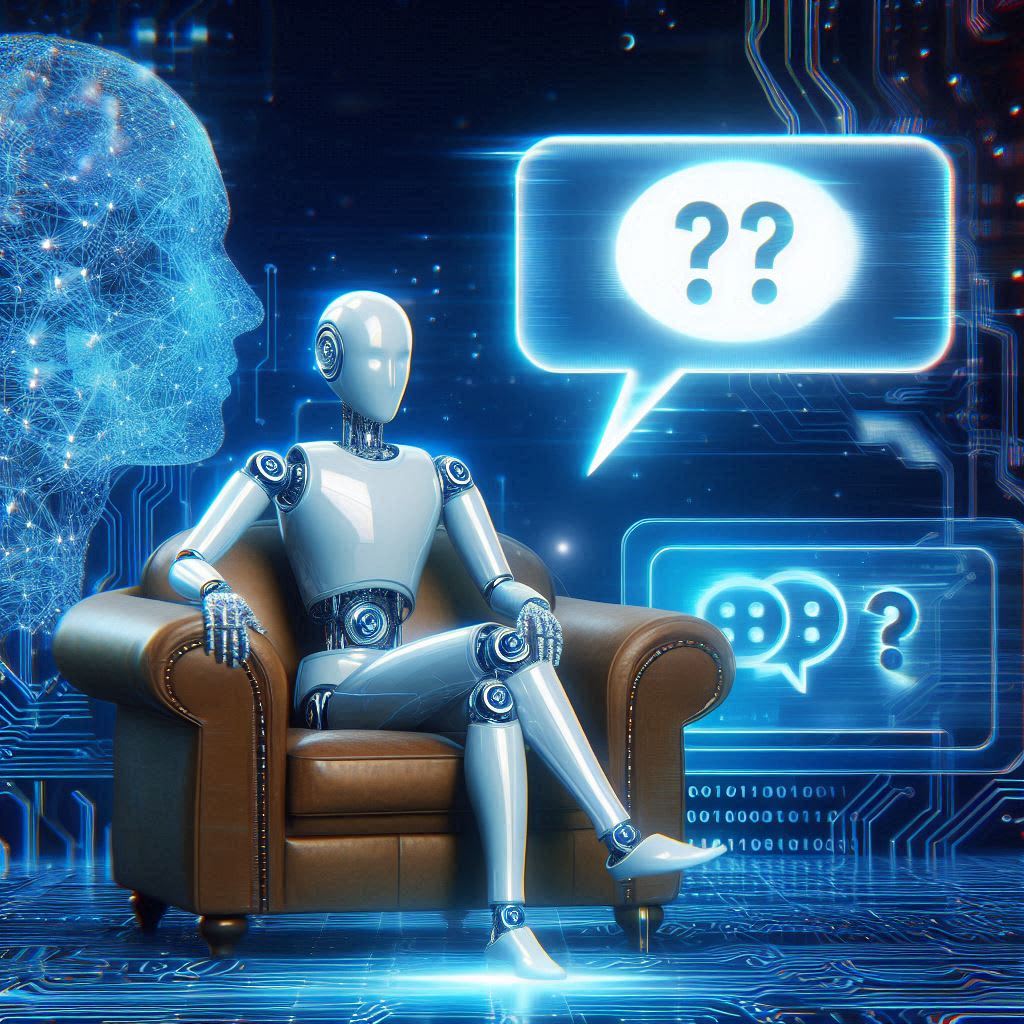
Artificial Intelligence (AI) tools like ChatGPT have revolutionized how we access knowledge, write content, and solve problems. But an intriguing question remains: Is AI diminishing our intelligence? This blog dives deep into the impact of AI, particularly ChatGPT, on human cognition, critical thinking, and creativity.
Introduction
Are you relying on ChatGPT for quick answers, crafting essays, or solving problems? You’re not alone. AI tools are becoming essential for productivity. But, are these conveniences at a cost? Many wonder if using AI is making us less intelligent. The answer is more complex than a simple yes or no. This blog explores the evidence, insights, and ways to balance the benefits and risks of AI's influence on human intelligence.
Is ChatGPT Really Making Us Dumber? Unpacking the Debate
The idea that ChatGPT might "make us dumber" stems from concerns about over-reliance. While AI enhances efficiency, it can also weaken critical thinking and problem-solving skills if not used wisely.
How ChatGPT Helps Us Thrive
Streamlined Learning: AI provides quick answers, making learning faster and more accessible.
Enhanced Creativity: Tools like ChatGPT help generate ideas and overcome writer's block.
Improved Productivity: From emails to coding, ChatGPT saves time and effort.
The Downside of Dependence
Erosion of Problem-Solving Skills: Relying on AI can diminish our ability to analyze and solve problems independently.
Decreased Knowledge Retention: When AI answers questions, we may forget information quickly.
Loss of Originality: Overuse may lead to repetitive patterns in thinking and creativity.
The Science Behind AI and Cognitive Skills
AI and Memory: Friend or Foe?
AI tools act as external memory aids, storing information for easy retrieval. While this is beneficial, studies reveal that offloading cognitive tasks to technology can reduce memory retention and even shrink areas of the brain associated with learning.
AI and Critical Thinking: A Double-Edged Sword
AI encourages quick answers but often lacks depth. This might lead to surface-level thinking unless users intentionally probe deeper. Studies suggest that constant reliance on AI tools may alter brain activity, prioritizing speed over depth.
Why Are People Concerned About ChatGPT's Impact?
Over-Simplification of Complex Topics
ChatGPT condenses vast information into bite-sized responses, but this can oversimplify nuanced concepts.
Bias in AI Responses
AI learns from data, which can sometimes carry biases. Misinterpretation or reliance on these biases can affect critical thinking.
Risk of Reduced Mental Effort
Humans tend to seek shortcuts, and ChatGPT offers them. This reduces the incentive to think deeply about issues.
Striking the Right Balance
While ChatGPT is a powerful tool, using it mindfully is essential to avoid cognitive drawbacks. Here are practical strategies:
1. Use AI as a Learning Partner
Treat ChatGPT as a starting point for research or creativity. Explore further to gain depth.
2. Practice Independent Problem-Solving
Before asking ChatGPT, attempt to solve problems or research on your own.
3. Focus on Critical Thinking Skills
Evaluate AI’s suggestions critically. Question the accuracy and relevance of its output.
How Can ChatGPT Enhance Human Intelligence?
When used correctly, ChatGPT can complement human intelligence. Here’s how:
Augmented Creativity: Combine your ideas with ChatGPT's suggestions for innovative solutions.
Skill Enhancement: Use AI to learn new skills, from coding to writing better essays.
Knowledge Expansion: Access resources and explanations on topics you’re unfamiliar with.
Common Misconceptions About AI’s Influence
1. AI Is Always Right
AI can make mistakes. Blindly trusting AI responses without verification can mislead users.
2. AI Replaces Human Intelligence
AI doesn’t think or feel; it processes data. It’s a tool, not a substitute for human creativity or intuition.
What Does the Future Hold?
AI is evolving rapidly. Future advancements might address current limitations, ensuring AI complements rather than compromises human intelligence. However, maintaining a human-centric approach to learning and problem-solving will always remain vital.
Conclusion
ChatGPT and similar AI tools are transformative. They make tasks faster, simpler, and more efficient. However, their potential to erode independent thinking and creativity is real if misused. To ensure AI enhances rather than diminishes our intelligence, balance is key. Treat ChatGPT as an assistant, not a crutch, and keep sharpening your cognitive and creative skills. After all, the smartest tools are only as good as the humans using them.
FAQs
1. Can ChatGPT replace human intelligence?
No, ChatGPT processes data and provides responses but lacks emotional intelligence, intuition, and creativity.
2. How does AI affect learning?
AI makes learning accessible but can reduce deep understanding if over-relied upon.
3. Is it harmful to rely on AI for problem-solving?
Over-reliance can weaken problem-solving skills, but mindful use enhances efficiency.
4. Does ChatGPT promote laziness?
Not necessarily. While it simplifies tasks, users must still engage critically with its output to avoid dependency.
5. How can I use AI effectively?
Use AI as a supplementary tool. Always verify its output and combine it with your own insights.
About the Creator
Keep reading
More stories from Emil Latumbo and writers in 01 and other communities.
Why ChatGPT Is Both Loved and Feared by Experts
In today’s fast-paced digital era, artificial intelligence is revolutionizing industries at an unprecedented rate. Among the standout technologies, OpenAI's ChatGPT has emerged as a game-changer in the world of natural language processing. While it’s praised for its versatility and efficiency, it has also sparked apprehension among experts. So, why is ChatGPT both loved and feared? Let’s delve into this dichotomy to uncover the reasons behind this dual perception.
By Emil Latumboabout a year ago in 01
Understanding Handbags: History, Purpose, and the Rise of Replica Hermes Bags
Handbags have long been more than simple accessories. Across cultures and generations, they have served both practical and symbolic purposes, reflecting lifestyle needs, social change, craftsmanship, and evolving fashion values. From utility pouches to statement pieces, handbags mirror how society adapts to mobility, work, and personal expression.
By charliesamuel6 days ago in 01
Strategic Role of an HVAC Website in Modern Lead Generation
In today’s HVAC market, getting consistent leads is no longer just about referrals, flyers, or being listed on third-party platforms. When homeowners need heating or cooling services, their first move is almost always online. They search, compare, and decide within minutes. This shift has made an HVAC website more than just a digital address. It has become a strategic tool for lead generation.
By Henry Davids5 days ago in 01




Comments
There are no comments for this story
Be the first to respond and start the conversation.