
10 Habits Which Can Be a Major Risk for Your Heart
A type of disease that affects the heart or blood vessels. The risk of certain heart diseases may be increased by smoking, high blood pressure, high cholesterol, unhealthy diet, lack of exercise, and obesity.

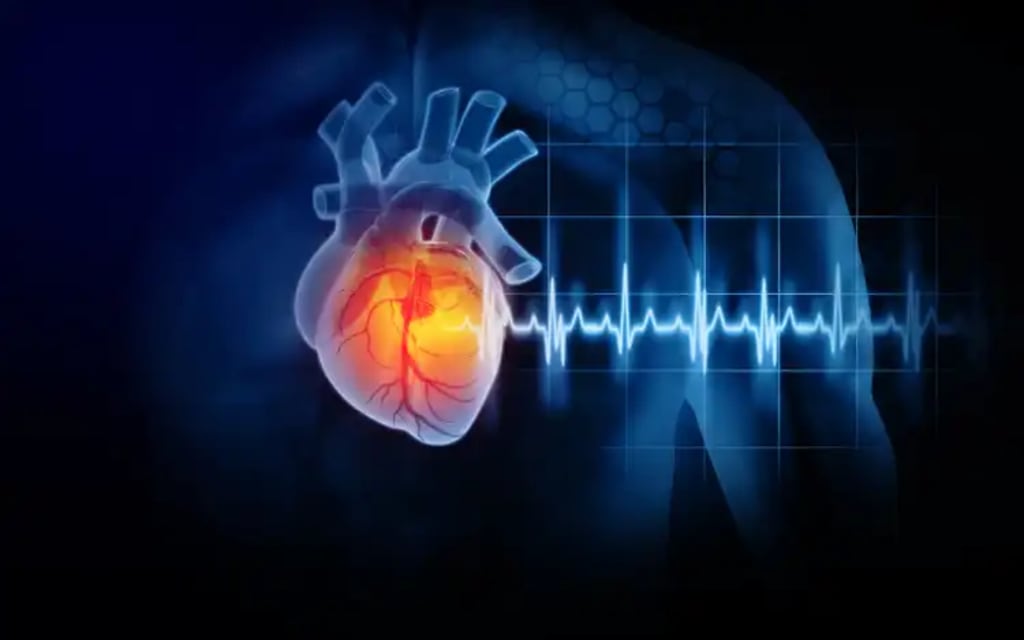
The heart is one of the most vital organs in the body, and its health is crucial for overall well-being. There are several factors that can contribute to heart disease, including genetics, age, and lifestyle choices. Here are ten habits that can be a major risk for your heart:
Smoking: Smoking is one of the leading causes of heart disease. It damages the lining of the arteries, increases blood pressure, and reduces oxygen in the blood. The chemicals in cigarettes can cause inflammation and damage to the blood vessels, leading to the development of atherosclerosis, a condition in which the arteries become narrowed and hardened. This can increase the risk of heart attack and stroke.
Physical inactivity: Lack of exercise can increase the risk of heart disease. It can lead to obesity, high blood pressure, and high cholesterol levels. Regular physical activity can help improve cardiovascular health by strengthening the heart muscle, reducing blood pressure, and improving circulation. The American Heart Association recommends at least 150 minutes of moderate-intensity exercise or 75 minutes of vigorous exercise per week.
Unhealthy diet: A diet high in saturated and trans fats, sugar, and salt can increase the risk of heart disease. High levels of saturated and trans fats can raise cholesterol levels, while high levels of sugar and salt can contribute to high blood pressure. Eating a diet rich in fruits, vegetables, whole grains, lean protein, and healthy fats can help reduce the risk of heart disease.
Stress: Chronic stress can increase the risk of heart disease. It can raise blood pressure and cause inflammation in the body. Stress can also lead to unhealthy behaviors, such as smoking, overeating, and lack of exercise. Learning stress management techniques, such as meditation, deep breathing, and yoga, can help reduce the risk of heart disease.
Sleep deprivation: Lack of sleep can increase the risk of heart disease. It can lead to high blood pressure, obesity, and diabetes. Sleep is essential for the body to repair and restore itself, and chronic sleep deprivation can lead to long-term health consequences.
Excessive alcohol consumption: Heavy drinking can damage the heart muscle and increase the risk of heart disease. It can also lead to high blood pressure, obesity, and stroke. Moderate alcohol consumption, defined as up to one drink per day for women and up to two drinks per day for men, may have some cardiovascular benefits. However, excessive alcohol consumption can negate these benefits and increase the risk of heart disease.
High blood pressure: High blood pressure can damage the arteries and increase the risk of heart disease. It is often called the “silent killer” because it usually has no symptoms. Regular blood pressure checks can help identify high blood pressure and reduce the risk of heart disease.
High cholesterol levels: High levels of LDL (bad) cholesterol can clog the arteries and increase the risk of heart disease. Eating a healthy diet, exercising regularly, and taking medication if necessary can help lower cholesterol levels and reduce the risk of heart disease.
Diabetes: Diabetes can damage the blood vessels and increase the risk of heart disease. High blood sugar levels can cause damage to the arteries, leading to atherosclerosis and an increased risk of heart attack and stroke. Managing diabetes through lifestyle changes and medication can help reduce the risk of heart disease.
Family history: A family history of heart disease can increase the risk of developing heart disease. Genetics can play a role in the development of heart disease, and people with a family history of heart disease may need to take extra precautions to reduce their risk.
To reduce the risk of heart disease, it is important to adopt healthy habits such as quitting smoking, exercising regularly, eating a healthy diet, managing stress levels, getting enough sleep, limiting alcohol consumption, and managing medical conditions such as
About the Creator
rahul ojha
Start writing...all ends also beginnings we just don't know it at that time
Keep reading
More stories from rahul ojha and writers in 01 and other communities.
5 ways to like TikTok to promote your business
TikTok is a popular social media platform that has exploded in popularity in recent years. With over 1 billion active users, it presents a significant opportunity for businesses to promote themselves and reach a wider audience. In this article, we will discuss five ways to use TikTok to promote your business.
By rahul ojha3 years ago in 01
I phone 18 launch expected date, feature.
Apple iPhone 18 is expected to represent a bold shift in smartphone design philosophy, combining elegance with engineering excellence. Rumors suggest Apple may introduce a new titanium-glass fusion body, making the device lighter yet significantly stronger than previous models. The edges could become more seamless, removing visible antenna lines and offering a perfectly smooth finish. This design would not only enhance durability but also provide a premium in-hand feel that defines Apple’s craftsmanship. A thinner profile with improved structural integrity may also allow for better heat management and internal space efficiency. Users may notice refined curves, reduced bezels, and an almost borderless front display that maximizes screen immersion. Apple’s continued focus on environmental responsibility could lead to more recycled materials in the construction. Overall, the iPhone 18 design may blend aesthetics, sustainability, and resilience into one beautifully engineered device.
By USA daily update a day ago in 01
The Evaluation of Chatbots: From Concept to Real-Life Experience
Chatbots have evolved from simple computer scripts into advanced digital assistants that power millions of conversations daily. From customer service portals and e-commerce platforms to healthcare and education, these intelligent systems have transformed how businesses interact with users. But what does it really mean to evaluate a chatbot—from its concept to its performance in real-world scenarios?
By Tarun Nagar6 days ago in 01




Comments
There are no comments for this story
Be the first to respond and start the conversation.