
Why You Didn’t Get the Job: The Reason of Rejection in Interview Explained
Reason of rejection in interview
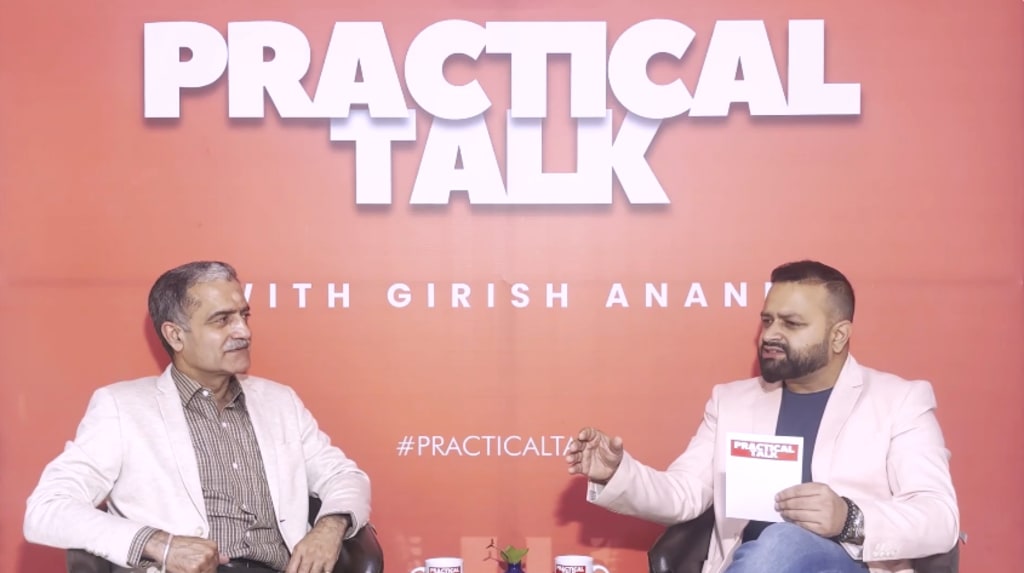
Job interviews are often seen as the final hurdle before securing a new position. You’ve prepped extensively, honed your skills, and aced the interview, only to be hit with the disappointing news: you didn’t get the job. Understanding the reason of rejection in interview can be challenging, especially when you feel confident about your performance. In many cases, the reasons behind this rejection are not as straightforward as a lack of experience or qualifications. In fact, the rise of social media has added a new dimension to the common interview rejection reasons that candidates often overlook. This article explores how your social media presence can impact your chances of securing a job, alongside other potential reasons for rejection.
1. The Impact of Your Social Media Profile on Your Job Search
In today's digital age, your social media profile is no longer just a platform for sharing personal moments—it can directly influence your career. Hiring managers often review a candidate's social media presence to get a better understanding of who they are outside the interview room. While platforms like LinkedIn are designed to enhance professional networking, others, such as Instagram, Facebook, or Twitter, may not paint the most flattering picture of your professional demeanor.
A study by CareerBuilder revealed that 70% of employers use social media to screen candidates during the hiring process, with 57% of employers being less likely to hire candidates who exhibit unprofessional content online. The reason of rejection in interview can sometimes be tied to your social media activity, as hiring managers may view posts, photos, and comments that do not align with the company’s values or expectations for professionalism. Whether it’s controversial statements, inappropriate photos, or even too much personal information, these factors can lead to the rejection of an otherwise qualified candidate.
2. Inconsistent Online and Offline Personas
Consistency is key when it comes to professional branding. If your social media profiles present a personality that sharply contrasts with the image you’ve portrayed during the interview, this can raise red flags for potential employers. For example, if you present yourself as a highly disciplined and organized candidate during the interview, but your social media profile features reckless behavior or inappropriate humor, employers may question your authenticity and professionalism.
Employers seek candidates who not only fit the job description but also align with the company's culture. If your online persona suggests behavior that conflicts with the company's values—such as excessive partying, offensive language, or divisive political views—it could be one of the common interview rejection reasons. Companies want employees who can represent their brand with integrity, and a mismatch between your online and offline behaviors can be a dealbreaker.
3. Negative Posts About Previous Employers or Jobs
Many candidates use their social media platforms to vent frustrations, share negative experiences, or criticize their current or former employers. While this may seem like an outlet for expressing emotions, it can backfire in the job search process. Employers are always on the lookout for candidates who demonstrate professionalism and positivity, both in their personal and professional lives.
If your social media profile is filled with negative comments or complaints about your past employers, it could be a red flag for hiring managers. The reason of rejection in interview may be attributed to your perceived inability to handle workplace challenges in a mature and professional manner. No employer wants to hire someone who may be prone to airing grievances or publicly criticizing their workplace on social media.
4. Excessive Personal Content
While social media can provide insight into a candidate’s personality, excessive personal content can be a turnoff for employers. A profile dominated by vacation photos, party pictures, or personal updates may raise concerns about how you will balance your personal life with your professional responsibilities. Employers are looking for candidates who can be committed to their work, and if your online presence suggests that you prioritize personal interests over professional growth, it may contribute to the common interview rejection reasons.
Moreover, oversharing on social media can undermine your professional credibility. If you’re seeking a job in a formal or corporate environment, it’s important to tailor your online presence to reflect your career aspirations. This doesn’t mean you have to remove all personal content, but finding a balance between personal expression and professionalism is crucial.
5. Unprofessional Behavior or Inappropriate Content
Inappropriate content is one of the most damaging aspects of social media when it comes to job interviews. Content that can be considered offensive, disrespectful, or unprofessional—such as explicit language, hate speech, or discriminatory comments—can severely hurt your chances of getting hired. Even if these posts are years old or don’t reflect your current values, employers may not take the risk of hiring someone whose past actions may reflect poorly on the company.
The reason of rejection in interview could stem from a hiring manager’s perception of your ability to represent their brand or company. Employers want candidates who demonstrate respect for diversity, professionalism, and ethical standards both in and out of the workplace.
Conclusion
Understanding the reason of rejection in interview can be complex, but it's often rooted in factors that go beyond qualifications and skills. Social media plays a significant role in today’s hiring processes, and it’s essential to ensure that your online persona reflects the professionalism, values, and behavior that align with the company you’re applying to. The common interview rejection reasons based on your social media profile include unprofessional posts, inconsistency between your online and offline behavior, and the sharing of negative content about past employers. By cleaning up your social media presence and maintaining a professional online image, you can greatly improve your chances of making a positive impression during the interview process. Keep your social media profiles aligned with your professional goals and values, and avoid common pitfalls that could lead to rejection.
About the Creator
Keep reading
More stories from Girish Anand and writers in Writers and other communities.
Crack Your Next Interview: Common Job Interview Questions 2025 Explained
Landing your dream job in 2025 requires more than just a polished resume—it demands confidence, preparation, and the ability to answer questions strategically. Employers are looking for candidates who can think critically, communicate effectively, and showcase their value. That’s why Interview Preparation is more crucial than ever. In this blog, we’ll break down the Common Job Interview Questions 2025, offering expert strategies to help you ace your next interview. Whether you're a fresher stepping into the corporate world or a seasoned professional looking to level up, these insights will set you apart.
By Girish Anand11 months ago in Writers
The Devil's Cut
“Comrade, finally you’re awake.” The voice was smooth, sensual. A flickering incandescent bar was all that lit the white, sterile room. All Vladimir remembered was everything going black. He tried to move his arms and found them strapped to the gurney.
By Matthew J. Fromm4 days ago in Fiction



Comments
There are no comments for this story
Be the first to respond and start the conversation.