
Whispers of the Unsaid
The Power of Unspoken Truths
Introduction: The Weight of Silence
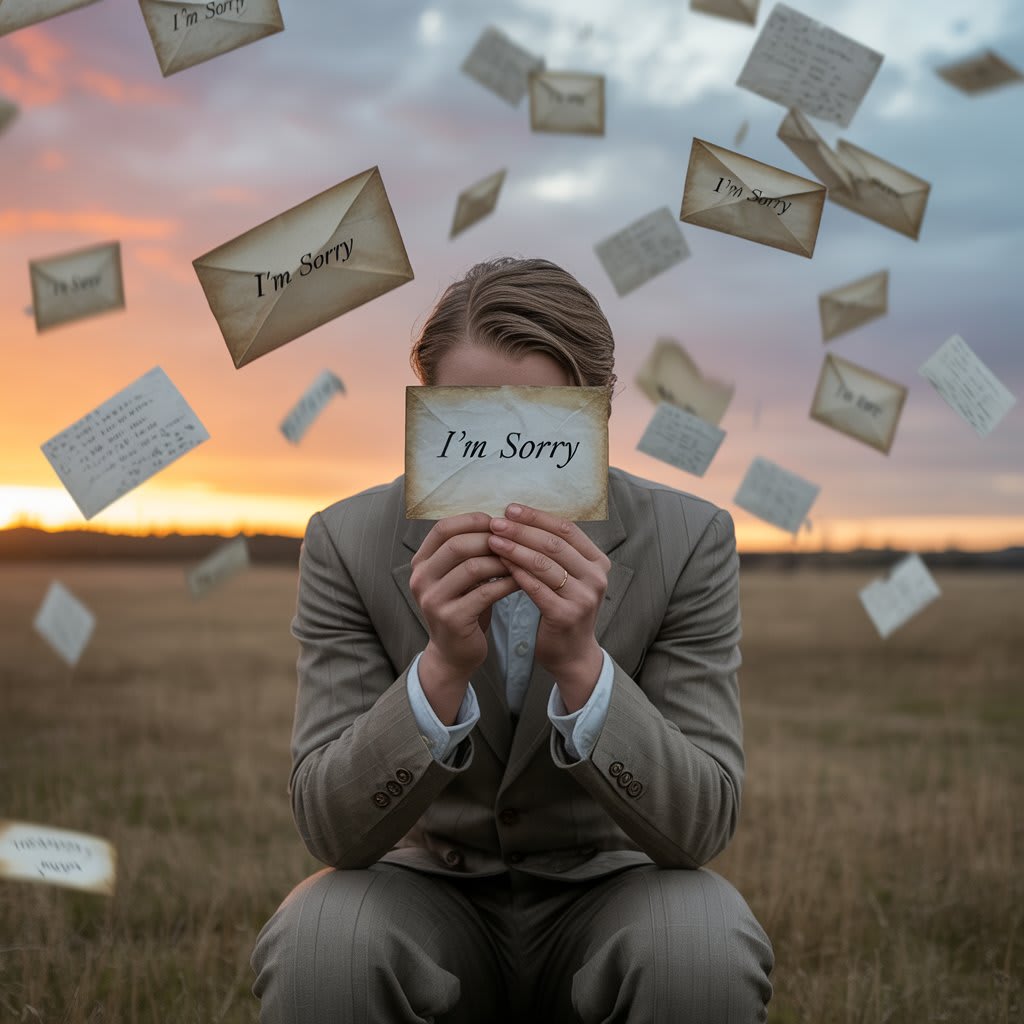
Words left unspoken often linger longer than those voiced aloud. They dwell in the spaces between conversations, in hesitant pauses, in the quiet before sleep. Whispers of the unsaid shape relationships, define regrets, and sometimes hold the deepest truths we’re afraid to reveal.
This article explores the unspoken—why we withhold words, the cost of silence, and the liberation that comes when we finally give voice to what we’ve buried.1. The Language of Silence: Why We Don’t Speak
Fear of Consequences
Many unsaid truths stem from fear—fear of rejection, conflict, or vulnerability. A lover hesitates to confess their doubts, a friend swallows their resentment, an employee bites back criticism. Silence becomes a shield, but it also becomes a prison.
The Myth of "Better Left Unsaid"
Society often romanticizes silence: “If you can’t say something nice, don’t say anything at all.” But this mantra can suffocate honesty. Unspoken frustrations fester, unexpressed love withers, and withheld apologies leave wounds unhealed.The Unsaid in Art and Literature
Great storytellers master the power of implication. A character’s clenched jaw, an unfinished letter, averted eyes—these speak louder than dialogue. In The Great Gatsby, Gatsby’s longing for Daisy is never fully articulated, making his tragedy even more poignant.
2. The Cost of Unspoken Words
Relationships Built on Silence
When partners avoid difficult conversations, resentment grows. When parents never say “I’m proud of you,” children spend lifetimes seeking validation. Unsaid words create emotional debts that compound over time.The Body Remembers What the Mouth Forgets
Psychology confirms that suppressed emotions manifest physically—stress, insomnia, even chronic pain. Studies link emotional repression to weakened immune responses. The body keeps score when the mind refuses to speak.
Regret: The Ghost of Unsaid Goodbyes
The most haunting unsaid words are those left for the dead. “I love you.” “I forgive you.” “I’m sorry.” Grief is amplified by the weight of what could have been said.3. Breaking the Silence: When Words Finally Come
The Catharsis of Confession
There’s a reason therapy and journals exist—speaking (or writing) the unsaid is liberating. Secrets lose their power when exposed to light.
Art as a Voice for the Unspoken
Poets, musicians, and painters give form to the unsaid. Sylvia Plath’s “Daddy” screams the rage she couldn’t voice in life. Frida Kahlo’s paintings bleed the pain she never spoke aloud.
The First Step: A Letter Never Sent
If speaking feels impossible, writing can be a bridge. A letter you never send can still untangle emotions, making way for eventual honesty.4. The Unsaid in the Digital Age
Texts Left Unread, Messages Unsent
Technology magnifies silence. The “typing…” bubble that disappears. The “seen” with no reply. Digital avoidance creates new layers of unsaid tension.Societal Norms That Enforce Silence
Many cultures prioritize harmony over honesty, teaching people to suppress dissent or discomfort to "save face." In some Asian cultures, for example, indirect communication is valued to avoid confrontation, but this can lead to misunderstandings and emotional isolation.
Breaking Generational Silence
Families often carry unspoken traumas—war, abuse, or systemic oppression—that shape behaviors without explanation. Healing begins when someone dares to ask: "What happened to you?" and creates space for long-buried stories
The Rise of Anonymous Confession Platforms
Sites like PostSecret and Whisper thrive because people crave release without consequence. They whisper into the void, hoping someone—anyone—will hear.Conclusion: The Courage to Speak
The unsaid will always exist—some truths are too fragile for daylight. But when silence becomes a habit, it erodes connection. The bravest thing we can do is whisper our truths before they become screams.
So tonight, before sleep, ask yourself:
What am I not saying?
Who needs to hear it?
What if today is the last chance to speak?
The world is loud, but the most important words are often the quietest.
Final Thought:
“Between what is said and not meant, and what is meant and not said, most of love is lost.”
About the Creator
Keep reading
More stories from moeez yousafzai and writers in Writers and other communities.
The House That Vanished at Dawn”
The last thing any of them remembered clearly was the fire. It had crackled in the stone fireplace of the cabin, filling the room with a cozy amber glow. James was sipping from a flask, Heather was curled up under a quilt, Devin snoring softly on the couch, and Rachel had just gone outside to stargaze.
By moeez yousafzai7 months ago in Horror




Comments
There are no comments for this story
Be the first to respond and start the conversation.