
Which foods are likely to trigger Urticaria skin allergies?
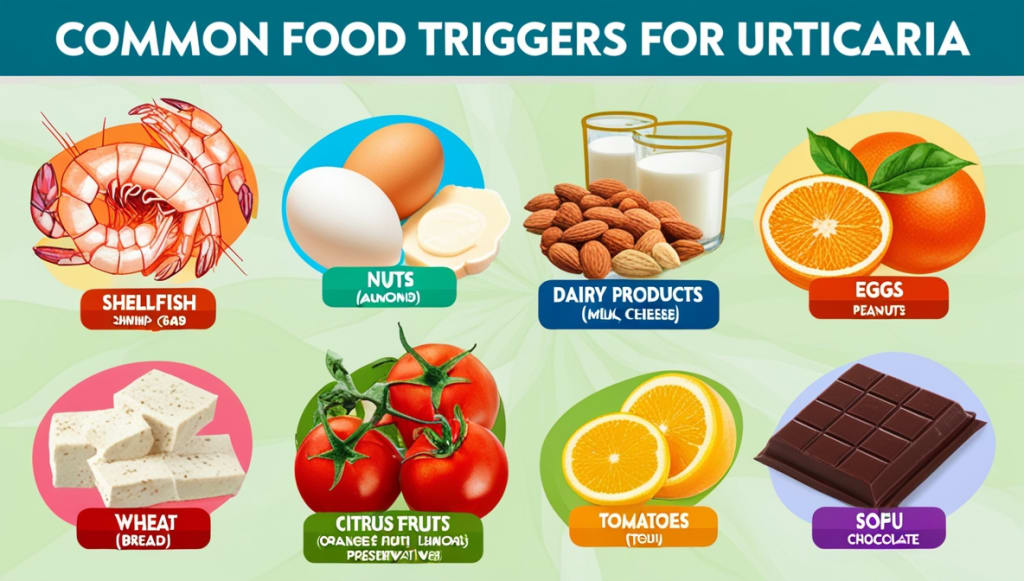
Urticaria, also known as hives, is a skin condition marked by red, itchy welts that can appear anywhere on the body. The condition is often triggered by allergens, both internal and external, and food is one of the most common internal triggers. Identifying and avoiding certain foods that may cause or worsen urticaria is a crucial part of managing the condition and preventing flare-ups. So, Which foods are likely to trigger urticaria (skin allergies)? Understanding the role that specific foods play in triggering skin allergies can help individuals take proactive steps to avoid these allergens.
Common Food Triggers for Urticaria
1. Shellfish
Shellfish, including shrimp, crab, lobster, and clams, are some of the most notorious culprits when it comes to food allergies. Many people develop hives within minutes or hours of consuming shellfish, as the proteins in these foods can trigger a strong immune response. Shellfish allergies can be severe, and in some cases, can even lead to life-threatening anaphylaxis.
• What to Do: Those with known shellfish allergies should avoid all forms of shellfish and seafood, including processed foods that may contain shellfish by-products.
2. Nuts
Tree nuts such as almonds, cashews, walnuts, and pecans, along with peanuts (which are legumes but often grouped with tree nuts), are common triggers for urticaria. Nut allergies are one of the most prevalent food allergies worldwide, and they often lead to symptoms like swelling, hives, and difficulty breathing.
• What to Do: Be cautious with foods that may contain nuts, such as baked goods, candies, and sauces. Always read labels carefully to avoid accidental exposure.
3. Eggs
Eggs, particularly egg whites, contain proteins that can provoke an allergic response in sensitive individuals. This is especially common in children, though some people carry this allergy into adulthood. Urticaria symptoms can occur soon after consuming eggs, especially when they are eaten raw or lightly cooked.
• What to Do: Avoid eggs and egg-containing foods, including certain baked goods, pasta, and processed meats that use eggs as a binding agent.
4. Dairy Products
Milk and other dairy products like cheese, yogurt, and butter can be common triggers for those with lactose intolerance or a cow’s milk protein allergy. Urticaria can develop after consuming dairy due to an immune reaction to proteins like casein and whey.
• What to Do: If dairy triggers hives, switching to dairy alternatives such as almond milk, soy milk, or oat milk can help avoid flare-ups.
5. Wheat (Gluten)
Gluten, a protein found in wheat, barley, and rye, is another potential trigger for urticaria in individuals with gluten sensitivity or celiac disease. For some people, gluten consumption can cause hives as well as digestive discomfort.
• What to Do: Adopting a gluten-free diet can reduce the risk of urticaria for those with gluten sensitivity. Replace wheat-based products with gluten-free alternatives like quinoa, rice, or almond flour.
6. Food Additives and Preservatives
Artificial additives and preservatives in processed foods can also trigger urticaria. Common culprits include food dyes (like tartrazine or Yellow 5), preservatives such as sodium benzoate and sulfites, and flavor enhancers like monosodium glutamate (MSG). These additives can provoke allergic reactions or histamine release, leading to hives.
• What to Do: Opt for whole, natural foods, and check labels for additives. Be especially cautious with processed meats, canned goods, and packaged snacks that may contain preservatives or dyes.
7. Citrus Fruits
While healthy for most people, citrus fruits such as oranges, lemons, grapefruits, and limes can be problematic for individuals prone to hives. The high levels of histamines and acidity in citrus fruits may exacerbate the symptoms of urticaria or lead to flare-ups.
• What to Do: If citrus fruits seem to trigger your hives, limit your intake or avoid them altogether. You can substitute citrus with non-citrus fruits like apples, pears, or berries, which are less likely to provoke a reaction.
8. Tomatoes
Tomatoes are another acidic food that can contribute to the development of hives. Some individuals may experience an allergic reaction to the proteins in tomatoes or have histamine intolerance, which can lead to skin irritation and swelling.
• What to Do: If tomatoes trigger your symptoms, avoid fresh tomatoes, sauces, and foods that contain tomato extracts.
9. Soy Products
Soy, a common ingredient in many processed foods, is a known allergen that can trigger urticaria in susceptible individuals. It is found in foods like tofu, soy milk, miso, and many vegetarian or vegan alternatives. People allergic to soy may develop hives or more severe allergic reactions.
• What to Do: Be mindful of soy-based products, especially in processed or restaurant foods. Check ingredient lists and opt for soy-free alternatives like almond or rice-based products.
10. Chocolate
While not as common as other allergens, some people experience urticaria after consuming chocolate. The reaction can be due to caffeine, theobromine, or other ingredients found in chocolate products. Those with allergies to milk (common in milk chocolate) or other additives in chocolate may also see their symptoms worsen after consuming it.
• What to Do: If chocolate triggers your urticaria, opt for allergy-friendly chocolate brands or consider dark chocolate that may contain fewer additives, but always be cautious.
Histamine-Rich Foods and Urticaria
Certain foods are naturally high in histamines, which can worsen urticaria symptoms for those with histamine intolerance. Histamines are compounds involved in immune responses, and they can cause blood vessels to expand, leading to redness, swelling, and itchiness.
Common histamine-rich foods include:
• Fermented products (e.g., sauerkraut, yogurt, aged cheese)
• Alcoholic beverages (e.g., red wine, beer)
• Processed meats (e.g., sausages, salami)
• Vinegar-containing products (e.g., pickles)
• Certain fish (e.g., tuna, mackerel)
For people sensitive to histamines, consuming these foods can lead to or exacerbate hives.
Managing Diet to Prevent Urticaria Flare-ups
The best way to manage urticaria caused by food is to adopt an elimination diet. This process involves:
1. Eliminating Common Triggers: Remove potential food allergens (such as those listed above) from your diet for a period of time to see if symptoms improve.
2. Reintroducing Foods Gradually: After eliminating suspect foods, reintroduce them one at a time to determine which ones trigger urticaria. Keep track of reactions to pinpoint specific problem foods.
3. Consulting a Healthcare Professional: Work with a doctor or allergist to conduct allergy tests or food sensitivity tests. This can help identify triggers more effectively and allow for a more precise dietary plan.
Conclusion
Understanding which foods are likely to trigger urticaria (skin allergies) is crucial in managing and preventing flare-ups. Common culprits include shellfish, nuts, dairy, wheat, and certain processed foods with additives. Maintaining a healthy diet, free from known triggers, can significantly reduce the frequency and severity of urticaria. An elimination diet, combined with professional guidance, can help you identify and avoid specific food allergens, allowing you to manage urticaria more effectively.
About the Creator
Keep reading
More stories from writers in Writers and other communities.



Comments
There are no comments for this story
Be the first to respond and start the conversation.