
What to Expect After Your Hair Transplant Surgery
Your Guide to Recovery, Care, and Hair Growth After Transplant

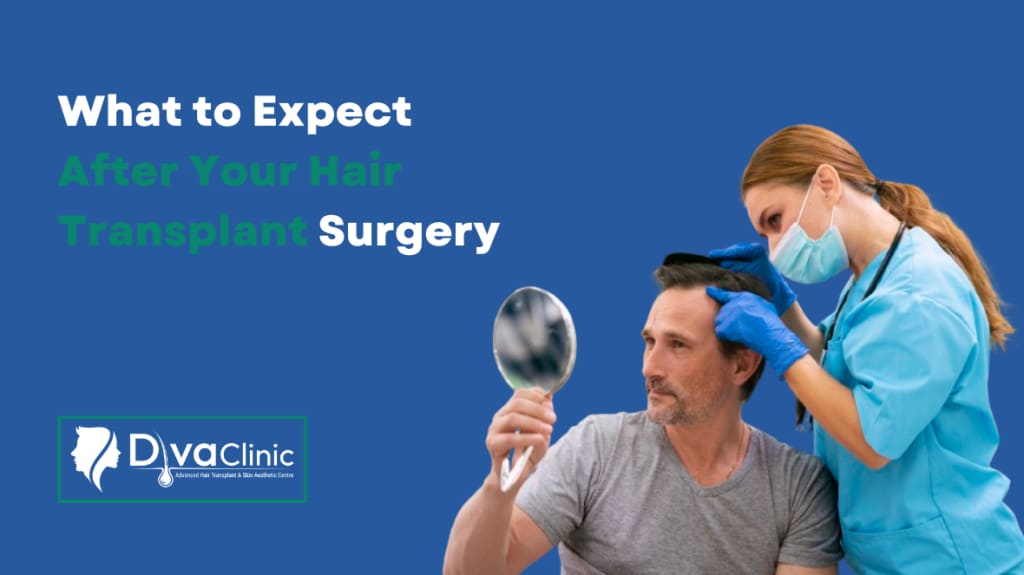
A successful hair transplant relies not only on the surgeon's skill and the quality of the grafts but also on meticulous post-operative care. The weeks following the procedure are crucial for ensuring the proper growth of your new hair.
This blog will walk you through what to do post-hair transplant, how long it takes for your hair to look normal, and the essential steps to care for your hair after a transplant.
Post Hair Transplant Surgery Expectation
The first 24 hours after your hair transplant are crucial for healing. You may experience some tenderness and swelling in the transplanted area. Your doctor may prescribe medication for any pain or discomfort.
Here's what to expect:
- Bandages: Your surgeon will apply bandages to the treated areas (usually, the surgeon applies a headband during the initial dressing to prevent swelling on the eyes and face).
- Swelling: Mild swelling around the forehead and eyes is common and usually subsides within a few days.
- Rest: Take it easy for the first 24 hours. Avoid strenuous activity that could dislodge the grafts.
Monitoring Progress and Managing Discomfort
Over the next few days, you'll likely experience some itching and discomfort as scabs form on the scalp. These scabs are a normal part of the healing process and should not be scratched.
Here’s what to do post-hair transplant:
1st to 8th Day
- Rest and Monitoring: Rest for the first day to recover from the anaesthesia. If your job is sedentary, a few days off work might suffice. For physically demanding jobs, consider taking a week off.
- Avoid Alcohol and Smoking: Do not drink alcohol for at least ten days, especially if you are on antibiotics. Avoid smoking for two to three weeks, as it can hinder healing.
- Medication: Follow all medication prescriptions diligently. Do not consume aspirin, as it thins the blood and can affect healing.
- Initial Bandage Removal: Bandages should be removed by the end of the first day. If you notice any bleeding, gently tap the area with a sterile gauze pad.
Day 8 to 30
Daily Care
- Showering: Continue with daily showers to help the scabs disappear.
- Avoid Sun Exposure: Do not expose your scalp to the sun or rain during the first month.
- Itching Management: Use calendula oil or aloe vera to soothe any itching and keep the scalp hydrated.
Hair Products
- Avoid Harsh Products: Do not use gels, lacquers, waxes, or hair colourings. Mild, natural, ingredient-based shampoos are preferred.
- Avoid Using Oil: Do not use any type of oil.
Dietary Considerations
Healthy Diet: Maintain a diet rich in minerals and vitamins to support hair growth. Supplements can help if you have deficiencies.
1st to 3rd Month
Hair Shedding and Growth
- Initial Shedding: Expect the transplanted follicles to fall out before regrowing new, permanent hair starting around the third month.
- Avoid Sun Exposure and Head Coverings
- Sun Protection: Avoid direct sun exposure to protect the new follicles.
- No Head Coverings: Avoid helmets, hats, and other tight coverings for the first three months to prevent damage to the grafts due to friction.
Physical Activity
No Sports or Swimming: Refrain from sports and swimming for the first 3 months to allow proper healing.
Some Additional Tips:
First Shampoo
- Day 2: Begin cleaning your scalp gently with the product provided by your surgeon. Rinse with clear, warm water using a cup and avoid touching the scabs.
- Day 4-5: You can put your head under a warm shower with moderate pressure, using the special shampoo to clean the area gently.
- Day 7: Shower the grafted area for about 10 minutes with lukewarm water to help the scabs fall off naturally. Do not scratch them.
Sleeping Position
First Two Nights: Sleep in the supine position using a special pillow under your head to support your neck and prevent swelling on your face.
Reducing Swelling
- Forehead Care: Apply a washcloth filled with ice cubes to your forehead to prevent swelling. A foam headband can also help keep swelling from affecting your eyes.
- Head Massage: After the first head wash, a gentle massage with fingers on the forehead from centre to outward may help reduce forehead swelling.
- Avoid Certain Activities
- Sexual Activity: Avoid for the first 10-15 days to prevent an increase in cranial temperature.
When Can You Go Back to Work After a Hair Transplant?
By the end of the first week, the swelling should be significantly reduced. The scabs will start to loosen and fall off naturally. You can resume light activities like walking or desk work, but avoid strenuous exercise.
- Week 2: Most scabs should be gone. You can resume light exercise but avoid anything that could bump or rub the scalp.
- Week 4: You can resume most daily activities, including swimming and wearing hats (choose loose-fitting styles).
- Week 8: Most of the redness and signs of the transplant should be gone. You can go back to your old workout routine.
Long-Term Recovery & Growth
You must be thinking about how long it takes to recover from a hair transplant. Well, it takes around the 4-8 week mark, and you may experience a shedding phase where the transplanted hair falls out. This is a normal part of the growth cycle. The follicles are resting before entering the growth phase.
Here's what to expect in the long term:
- 3 Months: You might see some initial hair growth, but it will likely be very fine and wispy.
- 6 Months: New hair growth will become more noticeable and denser.
- 12 Months: The final results of your hair transplant will be visible. You should enjoy a thicker, fuller head of hair.
Key Takeaways
The full results of a hair transplant usually become visible after eight to twelve months. Patience and appropriate care are essential during this period to ensurethe best possible outcome. Following your doctor's aftercare instructions and maintaining a positive attitude are key to a successful outcome.
About the Creator
Diva Clinic
Diva Clinic, led by Dr. Vivek Kumar Saxena in Lucknow, offers advanced hair restoration and cosmetic procedures with expert care and cutting-edge technology.
Keep reading
More stories from Diva Clinic and writers in Writers and other communities.
No More Bald Spots! How SMP Covers Thinning Areas for a Fuller Summer Look
Hair thinning and bald spots can be more noticeable in the summer, especially when outdoors enjoying the sun or opting for lighter hairstyles. The combination of sun exposure, sweat, and shorter haircuts can make these concerns stand out. Whether you're gearing up for a vacation, a special event, or just enjoying the season, looking your best is key. Fortunately, Scalp Micropigmentation (SMP) offers a non-invasive solution to restore the appearance of fuller, thicker hair and boost your confidence. Discover how Scalp Micro Pigmentation can help you achieve a fuller, thicker look this summer.
By Diva Clinic9 months ago in Writers



Comments
There are no comments for this story
Be the first to respond and start the conversation.