
What Should You Do If Your Boiler Stops Working?
A boiler breakdown can be stressful, especially during cold months when you rely on it for heating and hot water.
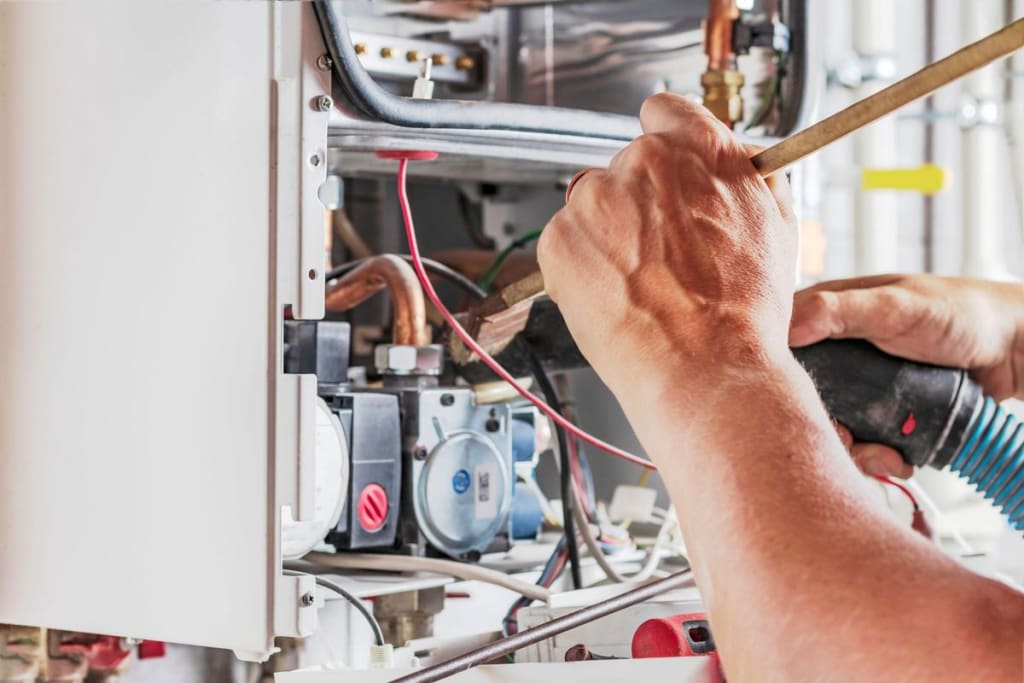
A boiler breakdown can be stressful, especially during cold months when you rely on it for heating and hot water. If your boiler stops working, don't panic—there are a few troubleshooting steps you can take before calling a professional. Here’s what you should do:
1. Check the Power Supply
Ensure that your boiler is receiving power. If the display is off or unresponsive, check the circuit breaker and reset it if necessary. Also, make sure the boiler switch is turned on.
2. Inspect the Thermostat
A faulty or incorrectly set thermostat can prevent your boiler from working. Ensure it is set to the desired temperature and not in an energy-saving mode that might limit heating.
3. Check the Pilot Light or Ignition
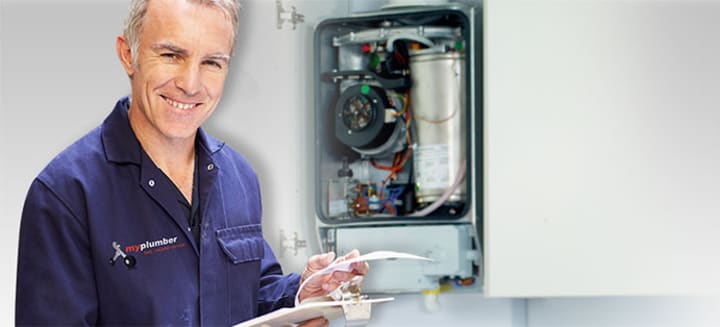
If you have an older boiler with a pilot light, check if it has gone out. If it has, follow the manufacturer’s instructions to relight it. Modern boilers have electronic ignition systems that may require resetting.
4. Reset the Boiler
Most boilers have a reset button that can restore functionality after a minor fault. Press and hold the reset button according to the manufacturer’s instructions. If the boiler restarts but shuts down again, there may be a deeper issue.
5. Inspect the Pressure Gauge
Boilers require a certain pressure level to function properly. If the pressure is too low (below 1 bar), it may need to be re-pressurized. Check the user manual for instructions on safely increasing the pressure.
6. Look for Error Codes
Many modern boilers display error codes that indicate the issue. Refer to your boiler’s manual or search online for the meaning of the code to determine the next steps.
7. Check for Frozen Pipes
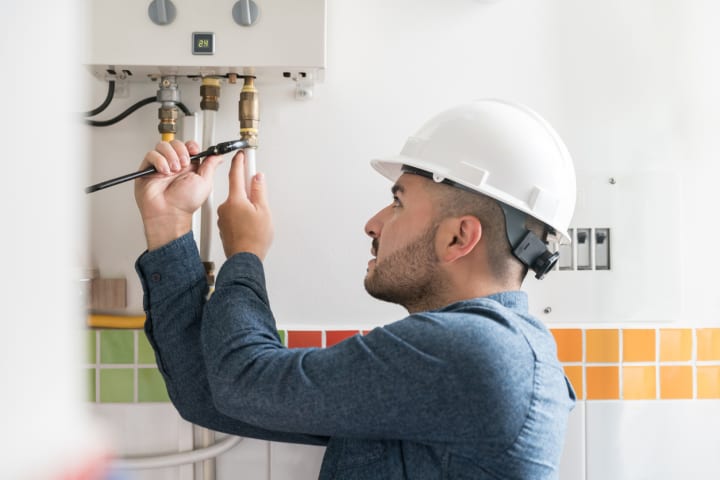
In cold weather, the condensate pipe (which drains water from the boiler) can freeze, causing the boiler to shut down. If you suspect this, thaw the pipe using warm (not boiling) water or a heating pad.
8. Inspect for Leaks
Leaks around the boiler or from radiators can cause pressure loss and system failure. If you notice water pooling near your boiler, turn it off and contact a professional immediately.
9. Ensure Gas Supply Is On
If your boiler runs on gas, check if other gas appliances (like your stove) are working. If not, there may be an issue with the gas supply. Contact your gas provider for assistance.
10. Call a Professional Technician
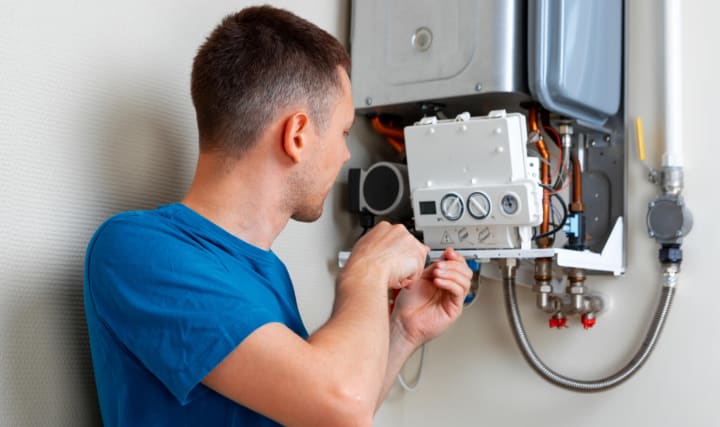
If none of these steps resolve the issue, it’s time to call a certified boiler technician. Avoid attempting complex repairs yourself, as this could be dangerous and may void your boiler’s warranty.
Conclusion
A non-working boiler doesn’t always mean a costly repair. By following these troubleshooting steps, you may be able to restore your boiler’s function quickly. However, if the issue persists, professional help is necessary to ensure your boiler is repaired safely and efficiently.
About the Creator
Keep reading
More stories from writers in Writers and other communities.
Autonomous AI Agents for Medical Billing and Revenue Cycle Operations
Autonomous AI is redefining how healthcare organizations manage billing and revenue cycles. Instead of reacting to errors and denials, enterprises are adopting autonomous AI agents for RCM to proactively manage workflows, decisions, and outcomes across the entire revenue lifecycle.
By Lilly Scott5 days ago in Writers
A Letter to the Firestarter
Dear Firestarter, We can all see you, we've been watching you since you began. In case you didn't know we were here before you and we will be here after. We witnessed your rise, your setbacks, your guilt and your lies. We witnessed you start the fire.
By Donny Foley4 days ago in Poets


Comments (1)
If mine stops working I might get a new one! Great work