
What is the purpose of managed print services?
Here's the proper expanation on the topic.
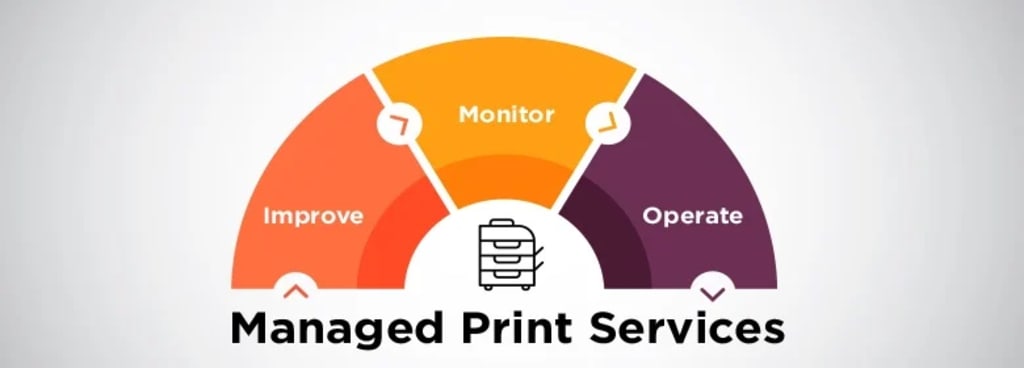
Understanding the Role of Managed Print Services
In the modern business landscape, efficiency, security, and cost control are crucial for sustained growth. Despite the increasing adoption of digital technologies, printing remains an essential function across various industries. However, managing a print environment can be resource-intensive. This is where Managed Print Services (MPS) prove invaluable.
The Core Purpose of Managed Print Services (MPS)
Managed Print Services (MPS) are designed to help businesses optimize their printing infrastructure. These services streamline printing processes, minimize waste, improve document security, and lower operational expenses. By delegating print management to an expert provider, companies can reallocate internal resources and enhance productivity while reducing environmental impact.
Primary Functions of Managed Print Services
MPS fulfills several critical roles aimed at making printing operations more efficient and cost-effective. Below are the core objectives of MPS:
1. Managing and Reducing Printing Costs
Businesses often underestimate the true cost of printing. MPS helps organizations gain clarity on these expenditures and implement strategies such as:
Eliminating redundant devices
Encouraging responsible printing habits (e.g., duplex printing)
Consolidating printing resources for better efficiency
Monitoring usage patterns to control expenses
Through proactive management, businesses can optimize their print budgets and prevent unnecessary expenditures.
2. Strengthening Print Security
Unsecured printing can expose businesses to data breaches and compliance risks. MPS providers implement advanced security solutions, including:
Secure user authentication for print jobs
Encryption protocols to protect sensitive data
Compliance monitoring for industry-specific regulations (e.g., GDPR, HIPAA)
Ongoing security audits to address vulnerabilities
By securing the print environment, organizations can safeguard sensitive information and prevent unauthorized access.
3. Enhancing Business Efficiency
A well-managed print infrastructure eliminates operational bottlenecks. MPS providers streamline workflow by:
Automating supply replenishment
Providing proactive maintenance to minimize downtime
Optimizing device placement for accessibility
Offering remote monitoring for immediate issue resolution
By maintaining a seamless print environment, MPS enables employees to focus on their core responsibilities.
4. Promoting Sustainability Initiatives
MPS helps organizations align with environmental goals by:
Reducing paper and toner consumption
Encouraging digital document management
Introducing energy-efficient devices
Implementing recycling programs for consumables
These eco-friendly initiatives not only reduce operational costs but also enhance corporate social responsibility efforts.
5. Facilitating Digital Transformation
MPS is a bridge between traditional printing and digital document management. Providers offer solutions that:
Convert paper-based processes into digital workflows
Integrate with cloud-based document storage systems
Enable mobile printing for remote workforces
Automate document processing to increase efficiency
Such integrations help businesses transition towards paperless operations, improving overall agility.
6. Adapting to Business Growth
As organizations evolve, so do their printing requirements. MPS solutions are highly scalable, allowing businesses to:
Adjust printing resources based on expansion
Incorporate new office locations seamlessly
Support remote and hybrid work environments
Continuously optimize printing strategies for evolving needs
By ensuring scalability, MPS enables businesses to grow without disruptions.
Industries That Benefit from MPS
MPS is widely applicable across multiple sectors, including:
Healthcare: Ensuring secure handling of patient records and compliance with medical data regulations.
Education: Managing high-volume printing while reducing operational waste.
Finance: Implementing security measures for confidential financial documents.
Manufacturing: Streamlining document workflow for production processes.
Legal: Enhancing print security and document management for sensitive case files.
Selecting the Right MPS Provider
Choosing a reliable MPS provider is essential for maximizing benefits. Key factors to consider include:
Industry Experience: Proven expertise in handling print management solutions.
Security Focus: Strong capabilities in print security and compliance enforcement.
Flexibility and Scalability: Services that grow with business needs.
Technology Integration: Seamless compatibility with existing IT infrastructure.
Customer Support: Reliable assistance and well-defined service level agreements (SLAs).
Final Thoughts
Managed Print Services (MPS) go beyond managing printers—they provide strategic solutions that reduce costs, enhance security, and improve efficiency. By adopting MPS, businesses can optimize their print environments, embrace sustainability, and focus on core operations without being burdened by print-related inefficiencies.
In an era where operational effectiveness is a key differentiator, MPS helps businesses stay ahead by transforming print management into a streamlined, secure, and cost-effective function. Whether a small business or a large enterprise, investing in MPS can drive long-term value and operational success.
About the Creator
Keep reading
More stories from radenob fli and writers in Writers and other communities.
What Are MPS (Managed Print Services)?
In today’s fast-paced business environment, efficiency and cost control are crucial for organizations looking to optimize their operations. One area that often goes overlooked but can yield significant savings and productivity improvements is print management. This is where Managed Print Services (MPS) come into play.
By radenob fli12 months ago in Education
One Unchecked Box
"Republished" because it was the only way to add the embed for the newly recorded audio version of this story due to the Top Story badge. Plus it serves as a nice, informal announcement of the podcast's revival for another season (go subscribe!):
By Stephen A. Roddewig5 days ago in Fiction


Comments
There are no comments for this story
Be the first to respond and start the conversation.