
What is Color Psychology in Social Media Marketing?
Color Psychology: How To Use it in Marketing and Branding


Color psychology is the study of how colors influence human behavior, emotions, and decision-making. In the realm of social media marketing, this concept plays a vital role in shaping the perception of brands and driving user engagement. By understanding and leveraging the psychological impact of colors, businesses can create visually appealing content that resonates with their target audience and encourages desired actions.
Why is Color Psychology Important in Social Media Marketing?
Captures Attention: In the fast-paced world of social media, where users scroll through feeds rapidly, the right colors can make your content stand out. Bright and bold hues often grab attention, while softer shades can create a calming effect.
Conveys Brand Personality: Colors are a powerful way to communicate your brand’s identity. For instance, a brand that uses blue often conveys trust and professionalism, while a brand with vibrant colors like red or yellow might be seen as energetic and youthful.
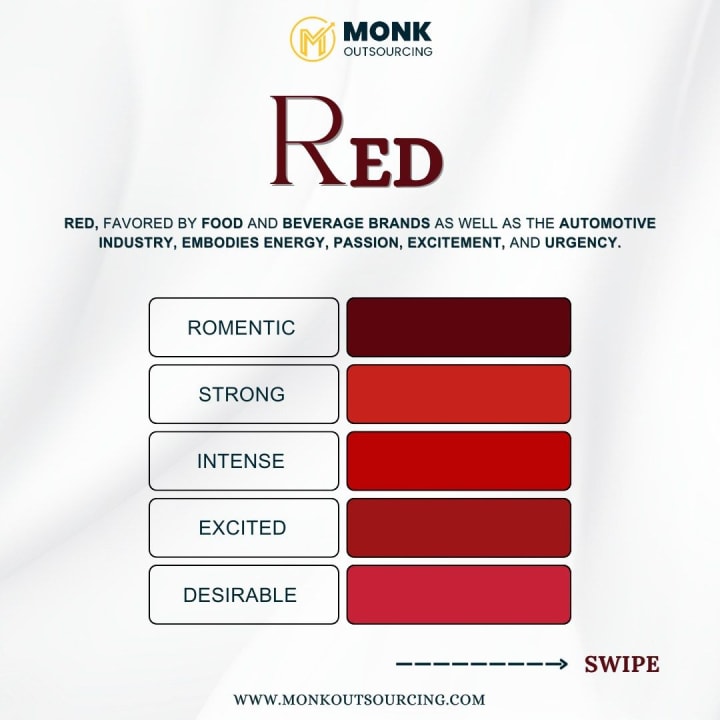
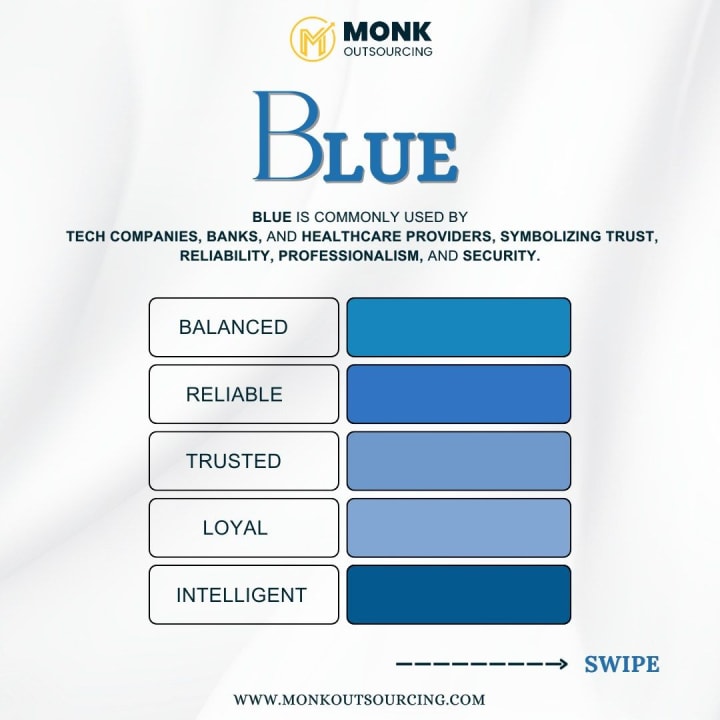
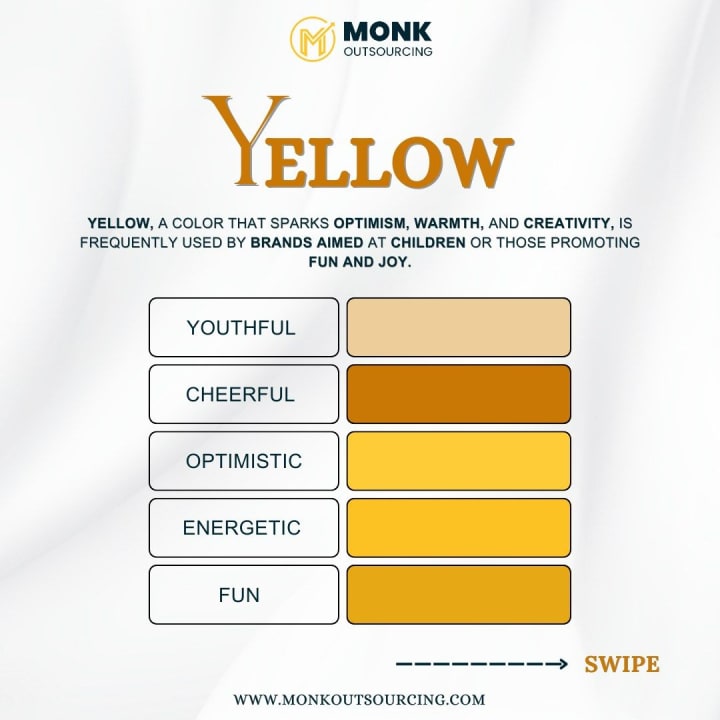
Influences Emotions and Behavior: Different colors evoke different emotions. For example:
Red
Blue
Yellow
Green

Orange

Boosts Engagement: Posts that are visually appealing and use harmonious color combinations are more likely to capture likes, comments, and shares. The right palette can also encourage users to click on links or make purchases.
Practical Applications of Color Psychology
Branding: Choose a consistent color scheme that reflects your brand’s core values and appeals to your target audience. For example, eco-friendly brands often use greens and earth tones to emphasize their connection to nature.
Content Creation: Use colors strategically in your graphics, videos, and photos to elicit the desired emotional response. For instance, a fitness brand might use high-energy colors like red and orange to motivate action.
Call-to-Actions (CTAs): Use contrasting colors for CTAs to make them pop. A brightly colored button can draw attention and improve click-through rates.
Seasonal Campaigns: Adapt your color choices to match seasonal themes or special occasions. For example, red and green are popular for Christmas, while pastels are often associated with spring.
Tips for Using Colors Effectively
Understand Your Audience: Different cultures and demographics interpret colors differently. Research your audience’s preferences and cultural associations to avoid missteps.
Test and Analyze: Experiment with different color combinations and monitor engagement metrics to see what resonates most with your audience.
Maintain Balance: Avoid overwhelming your audience with too many colors. Stick to a cohesive palette that complements your brand identity.
Conclusion
Color psychology is a powerful tool in social media marketing that goes beyond aesthetics. By strategically incorporating the right colors into your branding and content, you can influence emotions, build connections, and drive meaningful engagement. Whether you’re looking to inspire trust, evoke excitement, or convey elegance, the right color choices can make all the difference.
About the Creator
Nancy Davis
Hi, I'm Nancy, part of the team at Monk Outsourcing, where we specialize in crafting innovative marketing strategies that drive growth and engagement. As a social media strategist, I help businesses enhance their online presence.
Keep reading
More stories from Nancy Davis and writers in Writers and other communities.
How AI Can Automate Content Creation for Social Media Accounts in 2025?
Social media marketing has reached new heights due to artificial intelligence (AI) to aid in the creative process of much of what happens online. As the demand for engaging and relevant content grows, small businesses increasingly rely on AI-powered tools to create high-quality social media posts, videos, and graphics. In this blog post, we will show how AI can create content automatically and rule social media marketing services, especially for small businesses.
By Nancy Davis12 months ago in Writers


Comments
There are no comments for this story
Be the first to respond and start the conversation.