
What are the Visual Indications of Fire Damage in Concrete Structures?
What visual signs indicate fire damage in concrete structures?
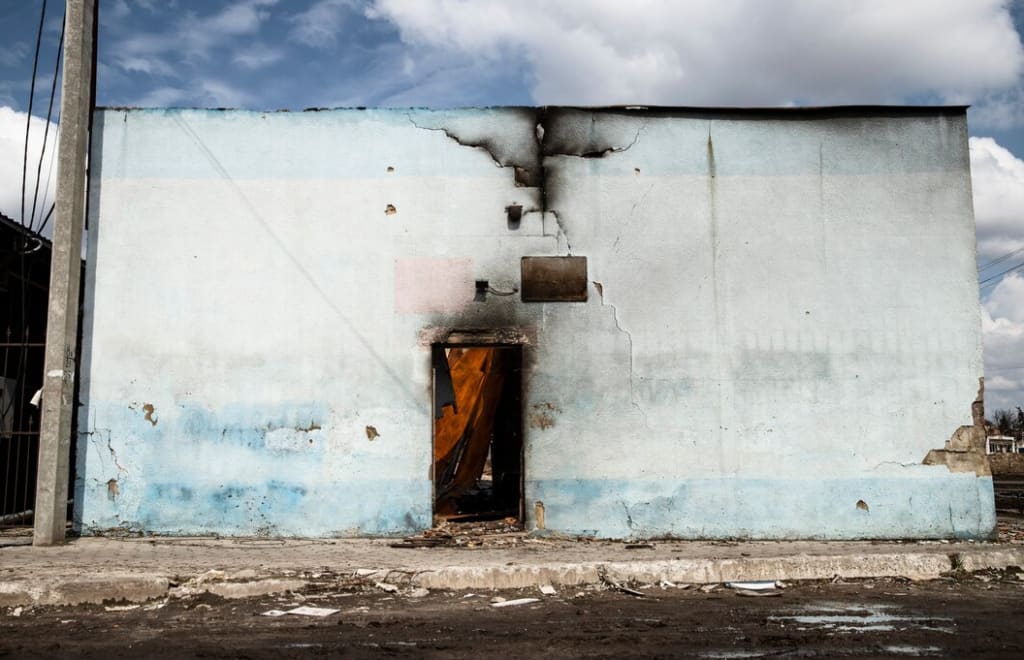
Fire damage in concrete structures can significantly impair their durability and structural integrity. Visual indication of fire damage identification is a critical phase in estimating the extent of deterioration and designing repairs accordingly.
Below is an exhaustive description of the visual indications of interest, with a summary of concrete fire damage testing methods.
Visual Indications of Fire Damage in Concrete
Cracking
Cracking is a common sign of fire damage through thermal expansion and contraction on heating and cooling.
Small cracks in the surface can be a sign of minimal damage, but big or extensive cracking signifies extreme structural problems.
Spalling
Spalling occurs through the cracking of concrete layers off due to internal pressure from superheated steam or uneven thermal expansion.
It normally leaves the aggregate or steel reinforcement exposed, which is an absolute indication of intense fire exposure.
Color Changes
Heat coloration of concrete can be used to estimate the temperatures achieved during the fire:
- Pink or red color usually means exposure to 300°C to 600°C.
- Gray or whitish color indicates temperatures above 600°C, usually with considerable loss of strength.
Softened or Powdery Surface
- Concrete damaged by fire can become soft, crumbly, or powdery, particularly in regions exposed to long-duration high heat.
- This is most often revealed by check with a hammer or chisel.
Exposed Reinforcement
- Spalling because of high temperature may reveal steel reinforcements, which may be oxidized or corroded-looking.
- Concrete cover loss reduces the concrete-to-steel bond, decreasing structural capacity.
Deformations and Misalignments
- Visual distortions such as deflections, warping, or misaligned structural members may indicate gross thermal stresses.
- Such deformations are typically accompanied by cracking and loss of load-carrying capacity.
Concrete Fire Damage Test Techniques
Besides visual inspection, various test methods are used to identify the extent of fire damage:
Non-Destructive Testing (NDT)
UPV and rebound hammer testing is used to check surface integrity and find internal cracks without causing further damage.
Core Sampling
Drilled cores exposed to fire are subjected to laboratory tests of compressive strength, micro-cracking, and residual durability.
Thermal Analysis
Microscopic examination of color variation and crack pattern provides insight into maximum temperature exposure and effects on material properties.
Mechanical Testing
Full-field strain measurements in compressive loading provide evidence of the degree of stiffness loss and mechanical degradation at various depths.
Impact on Structural Integrity
- Loss of Compressive Strength: Heating above 300°C reduces the compressive strength of concrete significantly, with complete strength loss around 1000°C.
- Steel Reinforcement Weakening: Reinforcing steel can lose tensile strength through heat, thus weakening the load-bearing capacity of the structure.
- Higher Risk of Corrosion: Cracks and spalling leave reinforcements open to moisture and oxygen, promoting corrosion in the long run.
Conclusion
Visual symptoms such as spalling, discoloration, softening of the surface, cracking, exposure of reinforcement, and deformation are principal signs of fire damage on concrete structures.
They must be accompanied by advanced testing methods like core sampling and NDT for the assessment of structural deterioration effectively. Early identification and inspection are fundamental necessities in guaranteeing security and organizing efficient repair.
Through this knowledge of signs and proper testing procedures, engineers will be able to decide on rehabilitation or replacement of fire-damaged concrete structures according to safety specifications.
About the Creator
It's Winter
Anne Bernays and Pamela Painter — What If? Writing Exercise for Fiction Writers prompts The Exercise —Write a scene involving two characters. Have the point-of-view character presume something entirely different about the situation from what the other character's overt behavior seems to imply. For example, a landlord comes to visit, and the tenant suspects that it isn't a visit but an inspection. Make up several situations in which one character can fantasize or project or suspect or even fear what another character is thinking. The Objective - To show how your characters can use their imaginations to interpret the behavior and dialogue of other characters.
By Denise E Lindquist22 days ago in Writers
What Is a Visual Search Engine? A Complete Guide by Chance Vision
Most of us are used to typing words into a search bar. But what if you don’t know what something is called? You may have seen an item, a place, or an object and thought, “I wish I could just show this to my phone and get an answer.”
By Ausfab Group3 days ago in Writers


Comments (1)
Wow! Thats a lot of visual fire damage. Scary! Good work