
What Are the Risks of Leaving Deep Vein Thrombosis (DVT) Untreated?
"Recognize DVT risks & seek treatment early!"
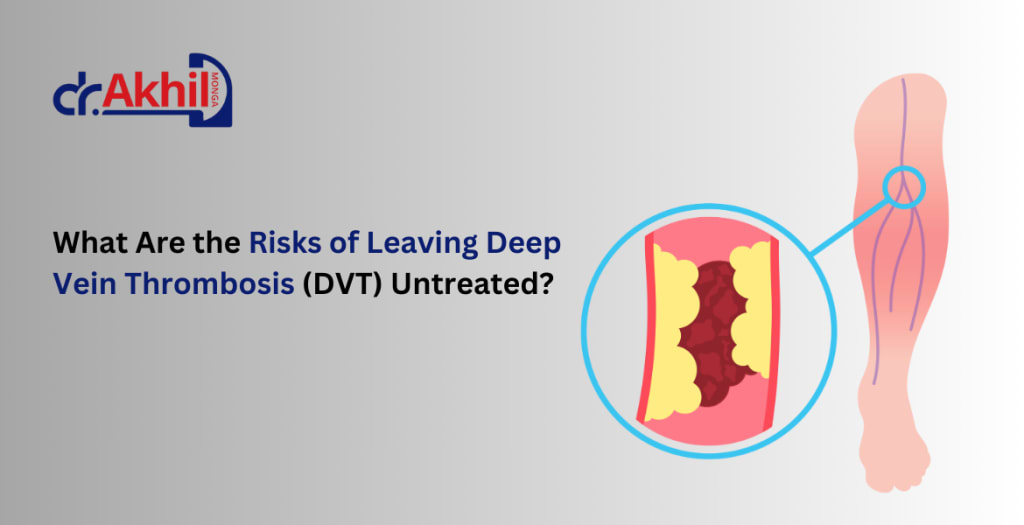
Deep Vein Thrombosis (DVT) is a silent threat that can lead to severe complications if ignored. A report revealed that venous thromboembolism (VTE), which includes DVT and pulmonary embolism (PE), occurs in 1 out of every 1,000 people globally, causing between 60,000 and 100,000 deaths annually. Despite it being so common, many people remain unaware of the dangers of leaving DVT untreated. This blog is here to highlight why early diagnosis and timely treatment are fundamental in managing DVT and preventing potentially life-threatening outcomes.
What Is DVT and Why Is It Dangerous?
DVT happens when there is a development of blood clots in the deep veins, commonly in the legs. These clots can partly or fully block blood flow, causing discomfort, swelling, and redness. However, the real danger arises when these clots dislodge and travel to vital organs. For instance, a clot can move to the lungs, causing a pulmonary embolism (PE), a potentially life-threatening condition.
Risks and Complications of Untreated DVT
Leaving DVT untreated can result in several severe complications, including:
Pulmonary Embolism (PE): A dislodged blood clot can choke the flow of blood in the lungs, leading to difficulty breathing, chest pain, and even sudden death in severe cases.
Post-Thrombotic Syndrome (PTS): This long-term condition includes chronic pain, swelling, and skin changes in the impacted leg, significantly reducing quality of life.
Chronic Venous Insufficiency: Damage to vein valves can impair circulation, leading to persistent leg issues like ulcers or varicose veins.
Other Potential Risks: Untreated DVT can strain the heart and cause complications in other organs, especially in individuals with pre-existing health conditions.
Symptoms to Watch For
Recognising the signs of DVT early can make all the difference. Common symptoms are:
1.Swelling, redness, and warmth in the affected leg.
2.Pain or tenderness, specifically when standing or walking.
3.Shortness of breath, chest pain, or fainting—potential warning signs of a pulmonary embolism.
If you notice any of these symptoms, immediately seek medical attention.
How to Prevent and Treat DVT
The key to managing DVT is early diagnosis and taking appropriate measures. Here are some options:
Non-Surgical Treatment Options:
Blood Thinners: Medications to prevent further clot formation and reduce the risk of PE.
Compression Stockings: Help enhance blood flow and reduce swelling.
Lifestyle Modifications: Regular exercise, staying hydrated, and maintaining a healthy weight.
Preventive Measures to Avoid DVT:
1.Avoid prolonged immobility, especially during long flights or extended periods of sitting.
2.Take breaks to walk around or stretch during travel.
3.Wear compression socks during long flights or hospital stays.
Post-DVT Care for Long-Term Health
After experiencing DVT, follow-up care is essential to prevent recurrence. This includes:
1.Adhering to prescribed medications and therapies.
2.Regular check-ups with a vascular specialist.
3.Monitoring for symptoms like swelling or discomfort, which could indicate a recurrence.
By staying proactive, you can greatly reduce the risks associated with DVT.
Final Words
Deep Vein Thrombosis is a serious ailment that demands immediate attention. The risks of untreated DVT, including life-threatening complications like pulmonary embolism and chronic conditions such as post-thrombotic syndrome, underscore the importance of early diagnosis and timely care. Awareness and proactive management are crucial to preventing severe health outcomes.
About the Creator
Keep reading
More stories from Akhil Monga and writers in Writers and other communities.
Advantages of Minimally Invasive Techniques for Thyroid Swelling Treatment
Did you know that thyroid swelling affects millions of people worldwide, with many turning to surgical treatments? But, minimally invasive techniques have emerged as a modern, effective solution to manage thyroid swelling without the need for traditional surgery. If you are dealing with thyroid swelling, read on to discover how these advanced techniques can offer relief with fewer risks and a quicker recovery.
By Akhil Monga9 months ago in Writers
Why I Write
Why do I write? There weren’t enough stories on page and screen that I liked, so I wrote my own. The first time I saw Bride of Chucky I was appalled because they ruined that character. It went against everything that series had been for years prior to 1998. None of the three previous films had any sex scenes. This one did. The other three made me give a shit about the protagonists. I did not give two hits about Jade and Jesse. Chucky was made to look like a goof instead of the foul mouthed and psychotic killer we all knew and loved. The point of this article was to answer the question: why do I write? I write the stories I want to see more of and written the way I want to see stories written.
By DJ Robbins7 days ago in Writers




Comments
There are no comments for this story
Be the first to respond and start the conversation.