
What Are the Biggest Myths About Menstrual Health, and How Can Tracking Help?
Myths vs. Facts: How Tracking Aids Menstrual Health

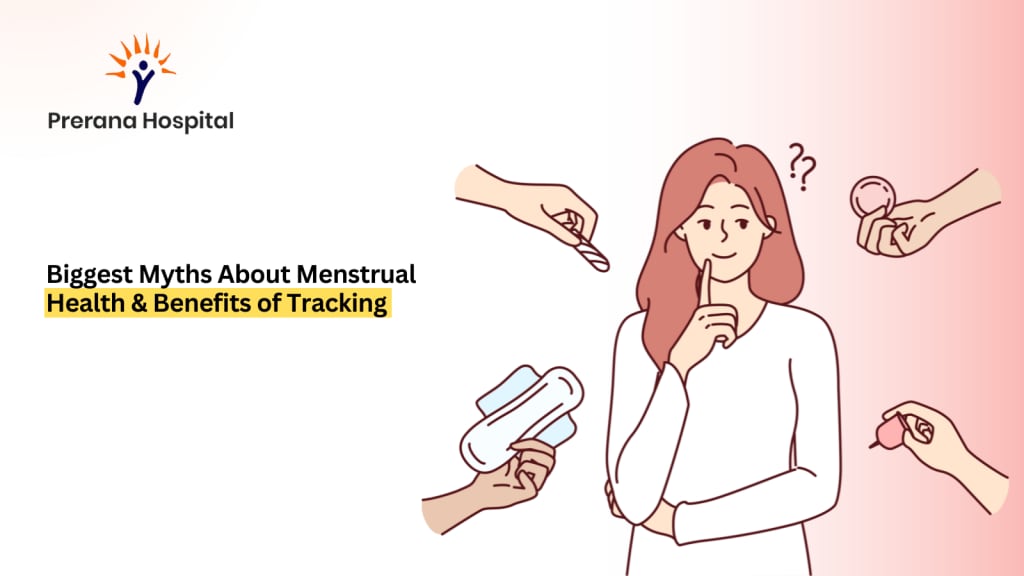
From myths about “uncleanliness” during periods to misunderstandings about pain and fertility, misinformation about menstrual health is widespread. In India, societal taboos and a lack of open discussion about menstruation have contributed to these myths, often leaving women with incomplete or incorrect knowledge about their own bodies. This blog aims to debunk some of the most common menstrual health myths and highlight how tracking the menstrual cycle can empower women with insights into their health.
Common Myths About Menstrual Health
Myth 1: “Periods should always be exactly 28 days apart.”
One of the most prevalent misconceptions is that every woman’s cycle is precisely 28 days. While this is the average cycle length, each woman’s cycle can vary significantly, ranging from 21 to 35 days. Many factors, including stress, hormonal changes, and lifestyle, can influence cycle length, meaning that it’s normal for cycles to fluctuate slightly each month.3
Myth 2: “Menstrual pain is normal, no matter how severe.”
Mild cramps and discomfort are indeed a common part of menstruation, but severe, debilitating pain is not “normal” and can be a symptom of underlying health problems, such as endometriosis or fibroids. Women experiencing intense pain should seek medical advice rather than dismiss it as a normal part of menstruation.
Myth 3: “You can’t get pregnant during your period.”
Although it’s less likely to conceive during menstruation, it is not impossible. Sperm can live in the body for up to five days, so if a woman has a shorter cycle or ovulates early, conception during menstruation can occur. This misconception can lead to unplanned pregnancies and highlights the need for accurate information about ovulation and fertility.
Myth 4: “Mood swings and PMS are exaggerated.”
Many people dismiss mood swings as an “overreaction” or think of PMS as a stereotype. However, PMS is backed by science, with fluctuating hormones influencing mood, energy, and even physical sensations. Understanding that these changes are real and biologically driven can help women manage symptoms more effectively and reduce the stigma around PMS.
How Cycle Tracking Can Benefit Women’s Health
Cycle tracking is a tool that enables women to monitor their menstrual patterns, symptoms, and changes over time using digital apps or traditional methods.
- Identifying Patterns: Tracking one’s cycle over time reveals patterns in symptoms, such as mood changes, bloating, and fatigue. This can help women anticipate physical and emotional changes each month, allowing them to plan accordingly and take preventive steps to manage symptoms.
- Health Monitoring: Regular tracking can reveal irregularities, such as missed periods, excessive bleeding, or unusual pain, which may indicate a medical issue requiring attention. By noting these irregularities early, women can seek timely advice from a gynaecologist.
- Fertility Planning: For those planning or avoiding pregnancy, cycle tracking provides invaluable information about fertile windows. Tracking helps pinpoint the days of highest fertility, empowering women to make informed decisions about their reproductive health.
Choosing the Right Tracking Method for You
When it comes to tracking menstrual health, each person can choose a method that suits their preferences and lifestyle.
- Digital Apps: Many period-tracking apps offer features such as reminders, mood and symptom logging, and even cycle predictions based on past data. Some popular options include Flo, Clue, and Period Tracker. These apps also allow women to maintain privacy while gathering valuable data.
- Manual Tracking: For those who prefer a non-digital approach, manually recording symptoms and cycle dates in a journal is equally effective. This method allows for personal reflection and may be preferable for those who want a deeper, hands-on connection with their health.
- Doctor’s Involvement: Consulting a gynaecologist can add a professional perspective to the information gathered through tracking. A doctor can interpret the data, identify any irregularities, and offer personalised advice on managing symptoms or planning for pregnancy.
Final Words
Breaking down menstrual health myths is essential to promoting better understanding and care for women’s health. By dispelling misconceptions and learning about the reality of menstrual health, women can feel more empowered in their bodies and choices. Cycle tracking offers valuable insights into physical and emotional patterns, serving as a proactive approach to health.
About the Creator
Prerana Hospital
Prerana Hospital,founded in 2013 in Mysore,specializes in Psychiatry,Neuro-Care,De-addiction and Fertility.With expert teams, treatments like IVF, IUI and fertility preservation,we provide compassionate patient-focused and affordable care.
Keep reading
More stories from Prerana Hospital and writers in Writers and other communities.
What Are the Benefits of Integrating Mental Health Services with Fertility Treatments?
Fertility treatments can be emotionally and psychologically demanding, often bringing feelings of stress, anxiety, and even depression. Couples undergoing these treatments face uncertainty and significant lifestyle changes, impacting their overall well-being. According to a study, individuals undergoing fertility treatments experience high levels of stress, with a notable percentage developing symptoms of depression or anxiety. These challenges highlight the importance of integrating mental health services into fertility care.
By Prerana Hospital11 months ago in Writers
Why Australia’s New Psychosocial Safety Laws Are Forcing Employers to Rethink Workplace Risk
Australia has quietly entered a new era of workplace regulation, one where psychological health is no longer treated as a secondary wellbeing concern, but as a formal safety obligation equivalent to physical hazards. This shift represents one of the most significant changes to occupational health and safety governance in decades.
By Abbasi Publisherabout 20 hours ago in Writers




Comments (1)
Hello, just wanna let you know that if we use AI, then we have to choose the AI-Generated tag before publishing 😊