
What Are Disability Support Services? A Beginner’s Guide
Understanding Disability Support Services: A Beginner's Guide to Resources and Assistance

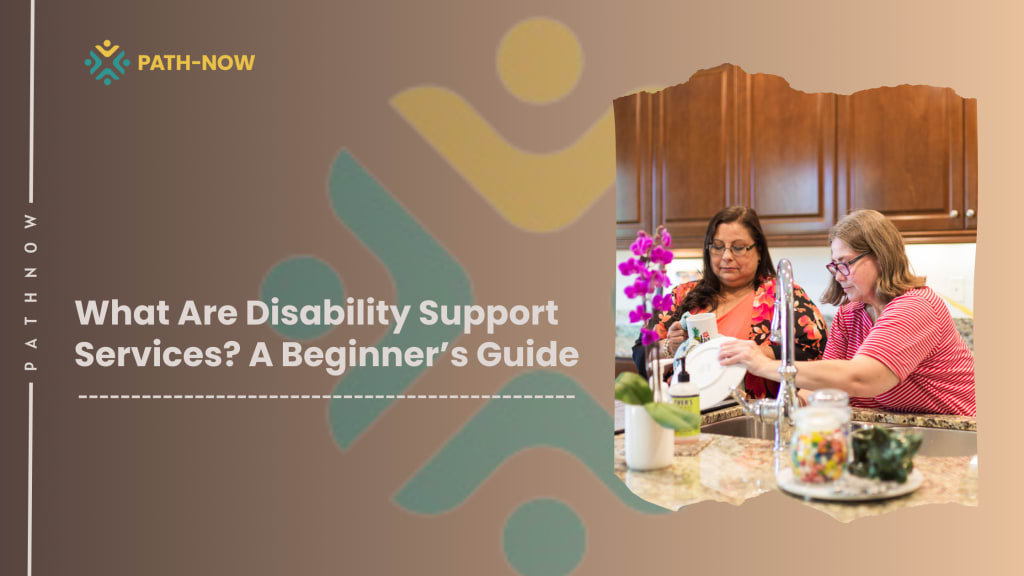
Living with a disability can bring unique challenges, but the right support can make daily life easier. Disability support services help individuals with disabilities live more independently, access essential resources, and participate fully in their communities. If you or a loved one are new to these services, this guide will break everything down in simple terms.
What Are Disability Support Services?
Disability support services include programs and assistance designed to help people with physical, intellectual, sensory, or developmental disabilities. These services can cover basic needs like personal care, employment assistance, education, housing, and social inclusion.
Support can come from government programs, nonprofit organizations, or private providers. The goal is to ensure that every person, regardless of their abilities, has access to opportunities and the resources they need to live a fulfilling life.
Types of Disability Support Services
There are different types of disability support services depending on individual needs. Below are some key areas where these services can help:
1. Personal and Home Care
- Assistance with daily tasks like bathing, dressing, and cooking
- Mobility support and transportation services
- Home modifications for better accessibility
2. Employment and Job Training
- Career counseling and job placement services
- Skills training for workplace success
- Support for disability-friendly employers
3. Education and Learning Support
- Special education programs
- Assistive technology for learning
- Classroom accommodations for students with disabilities
4. Housing and Independent Living
- Affordable and accessible housing options
- Group homes and assisted living facilities
- Independent living programs with caregiver support
5. Mental Health and Emotional Support
- Counseling and therapy services
- Support groups for people with disabilities and caregivers
- Crisis intervention and stress management
6. Financial Assistance and Legal Rights
- Disability benefits and financial aid programs
- Advocacy for legal rights and workplace accommodations
- Guidance on disability laws like the ADA (Americans with Disabilities Act)
Who Can Benefit from These Services?
Disability support services are designed for individuals of all ages who experience physical, intellectual, or developmental challenges. This includes:
- People with lifelong disabilities like cerebral palsy, Down syndrome, or autism
- Individuals with acquired disabilities from accidents, injuries, or illness
- Older adults facing mobility or cognitive challenges
- Families and caregivers seeking guidance and support
How to Access Disability Support Services
Finding the right services may seem overwhelming, but here’s how you can get started:
1. Research Available Programs
Check local government agencies, nonprofit organizations, and community groups that offer disability services. Websites like pathnow.com or local disability resource centers are good places to start.
2. Apply for Assistance
Some services require an application process, such as Social Security Disability Insurance (SSDI) or Medicaid waivers. Be sure to check eligibility requirements.
3. Contact Local Support Groups
Connecting with others in similar situations can provide valuable insights and recommendations. Support groups and online forums can help you find reliable resources.
4. Speak with a Disability Advocate
Advocates help individuals and families navigate the system, apply for benefits, and understand their legal rights. Organizations like the National Disability Rights Network (NDRN) offer advocacy services.
In many cases, a disability services and support organization can help coordinate these resources, making it easier for individuals to access the right services without confusion or delay.
Why These Services Matter
For many people, disability support services provide more than just practical help—they offer dignity, independence, and a sense of belonging. Access to the right support can open doors to education, employment, and a better quality of life.
If you or a loved one need assistance, take the first step today. There are many resources available to help you navigate the journey.
Need help finding disability support services? Check out Path Now for trusted guidance.
Final Thoughts
Understanding disability support services is the first step in accessing the help you need. Whether it’s daily assistance, job support, or mental health resources, these services exist to make life more manageable and fulfilling. Everyone deserves equal opportunities—let’s make sure those who need support can find it.
About the Creator
Path Now
Path-Now is a new creative, accessible and unique mobile application that enables individuals with Intellectual and Developmental Disabilities (IDD)
Keep reading
More stories from writers in Writers and other communities.
About BTS Tickets
It has come to our understanding that alot of us have to wait for what is going on within the tickets for the BTS concert. Some us was fortunate while others was in the grip of scalpers and scammers taking money and also taking tickets and doubling the price. As what I'm expericing in Threads and other social media it's like this year they had doubled time in our chances to even see them wonderful seven men . I was doubting my feelings of it will be easy ,but wasn't really.
By Erica Williams5 days ago in Writers


Comments (2)
I love support services’! Great job!
Great article! Disability support services are essential for empowering individuals to live independently and improve their quality of life. At Kanyini Care, we provide compassionate and tailored NDIS support, including in-home care and mental health services, to meet individual needs. If you or someone you know is looking for reliable disability support, we’re here to help! Visit our website: https://kanyinicareservices.com.au/, Email: [email protected], Phone: +61 1300 638 160 | +61 429 214 424.